News
-

What Did You Call These, When You Were Growing Up?
Riddle: What has seven legs, two antennae, and rolls up into a ball?Answer: A roly-poly (also spelled rollie pollie)! A roly-poly, also known as a pillbug, is one of the many helpful macro-organisms that can live in healthy soil or compost. Along with creatures like beetles, spiders, and flies, roly-polies support a soil ecosystem by helping with aeration and speeding…
Read More » -
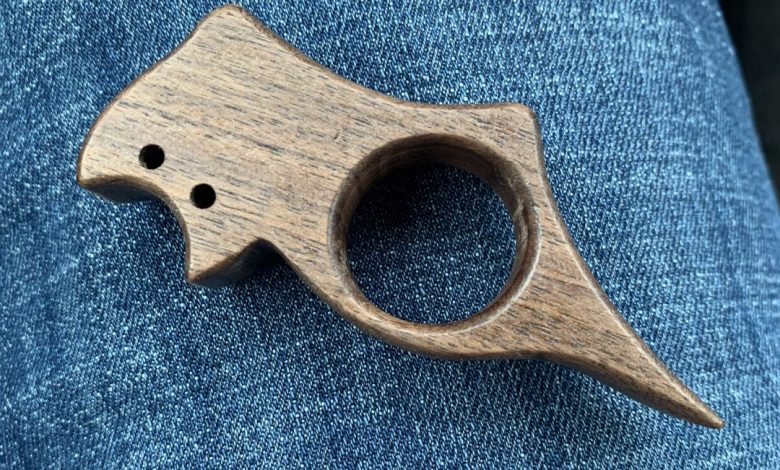
Found in a book lovers raffle basket. Wooden object with 2 small holes & 1 large hole. What is this?
If you’ve ever tried to read while holding a coffee, knitting, riding in a car, or studying at a desk, you know how annoying it is when pages won’t stay put. A cat-shaped wooden page holder is a simple, clever solution: a small wooden piece with a thumb slot that gently spreads and holds your book open so you can…
Read More » -
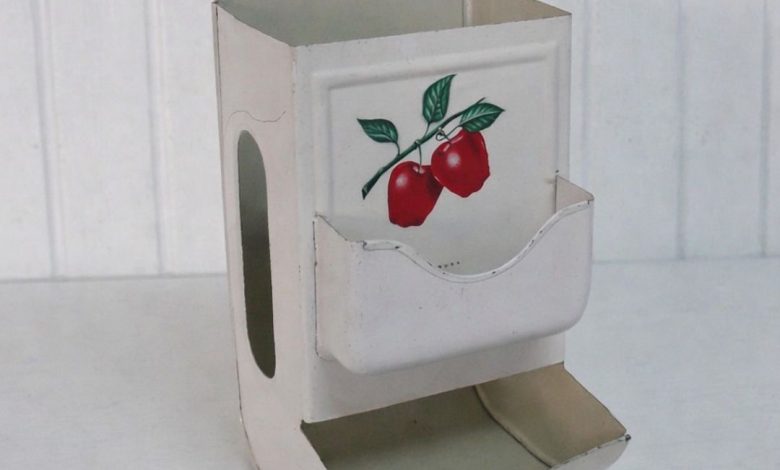
Do you know what these are?
If you grew up in (or love the look of) old American kitchens, this little white metal piece will feel instantly familiar. The item in the photos is a vintage wall-mounted metal matchbox and match holder, decorated with a classic red apple motif—the kind of cheerful design that fit perfectly in mid-century kitchens. What it’s called Collectors and sellers usually…
Read More » -
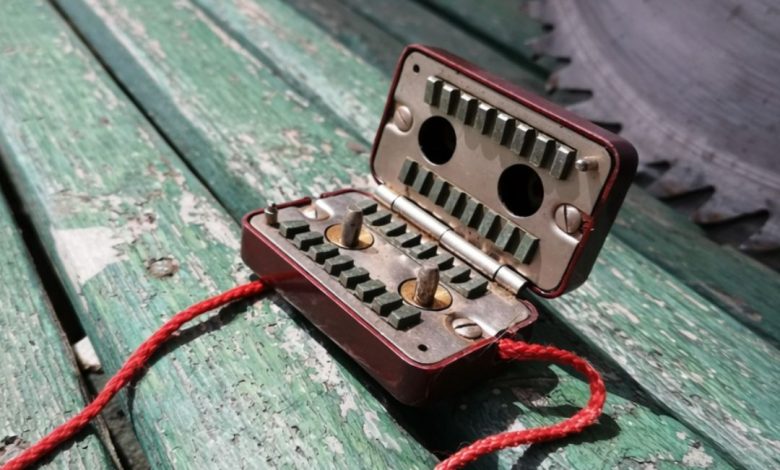
Found in an old house built in 1914, the little gold pins spin if you pull the red cord through.
At first glance, it looks like a small plastic case with a string attached. Open it up, though, and you’ll see the purpose immediately: this is a vintage safety razor blade sharpener (often called a razor blade stropper). Devices like the one shown—complete with a pull-cord and a hinged lid—were designed to extend the life of double-edge (DE) razor blades…
Read More » -
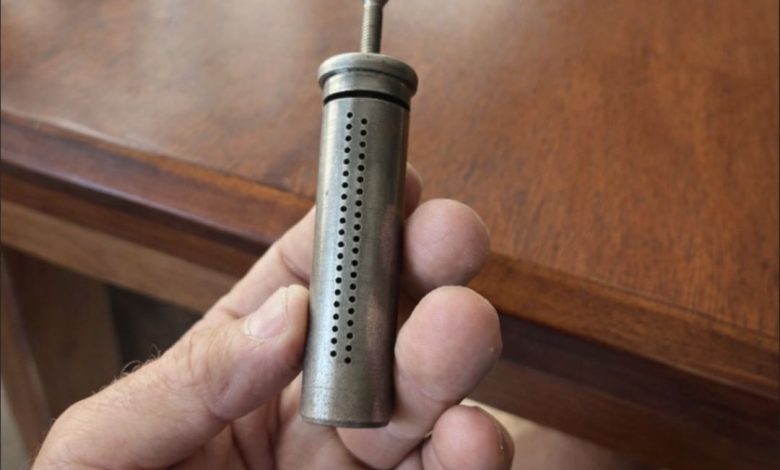
This mystery item is from my grandmother’s junk drawer. Any ideas on what this could be?
At first glance, it looks like a small metal tube with tiny holes and a button or plunger on top. But this simple gadget is actually a classic piece of American thrift culture: the Vintage “Little Gem” Dime Bank—sometimes described as a metal dime-holding bank, antique dime bank, or coin counter change holder. These banks were designed for one purpose:…
Read More » -
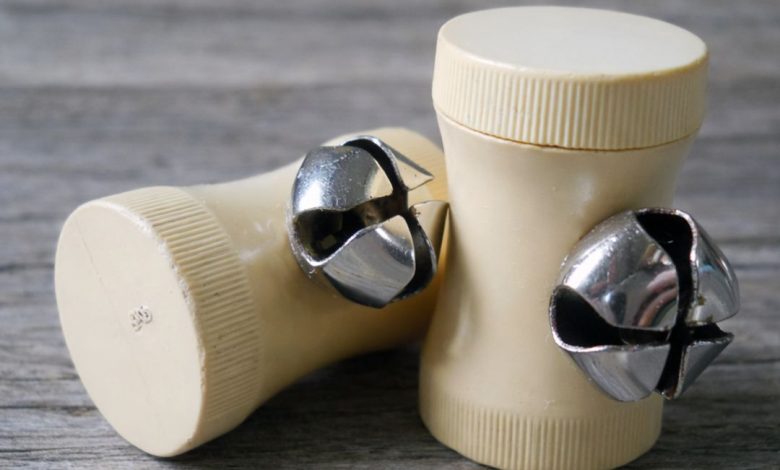
Do you know what these are?
If you’ve ever watched a toddler take three steps and then trip over untied laces, you already understand the problem this small gadget was designed to solve. The item shown in the photo is commonly sold and described as “Lace Keepers”—also labeled as baby shoelace locks, shoelace holders, or lace tie keepers. It’s a simple, old-school accessory that helped parents…
Read More » -
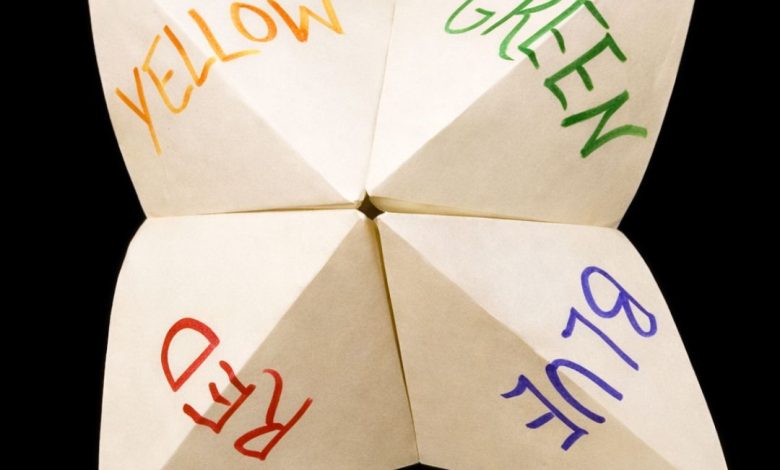
Who Else Made These Back In The Day’s?
Origami fortune tellers are the classic paper “choose-a-color, pick-a-number” game that opens and closes in your hands. With one square sheet of paper, you can make a fun little predictor for parties, classrooms, or just killing time with friends. What You’ll Need 1 square sheet of paper (origami paper is ideal, but any square works) A pen or marker (for…
Read More » -
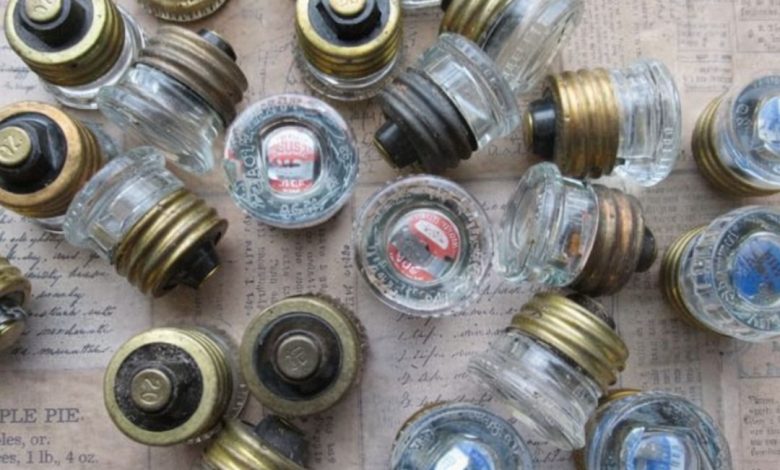
Who knows what these are?
If you grew up in an older American house, you may remember a small fuse box with round “caps” that screwed in like a light bulb. The items in the photos are exactly that: glass plug screw-in fuses—a once-common form of household circuit protection made by brands such as GE (General Electric), Leviton, Gould Shawmut, Britelite, and Northern Electric. What…
Read More » -
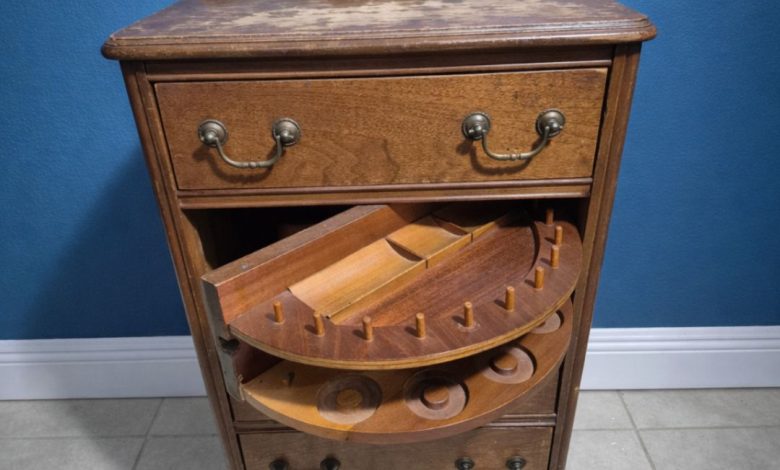
I live in the United States of America and was given this. I can’t find anything quite like it online.
Back in the day, sewing cabinets weren’t “cute vintage finds.” They were serious household essentials. People made and repaired a lot more at home—clothes, curtains, costumes, and everything in between. A well-built sewing cabinet was basically a command center for creativity. You’d find them in living rooms or tucked into a bedroom corner, ready for action. The best part? Everything…
Read More » -

Test yourself — can you solve this one?
A simple-looking brain teaser is making the rounds online because it’s easy to do the math fast—and still get it wrong if you skim the wording. The puzzle says: “10 years ago, I was 20. 30 years later, how old will I be?” Many people jump straight to: “20 + 10 + 30 = 60.” That feels right, but it…
Read More »