Two plastic hook shaped tools with double forks on the end. What are these and what they used for?
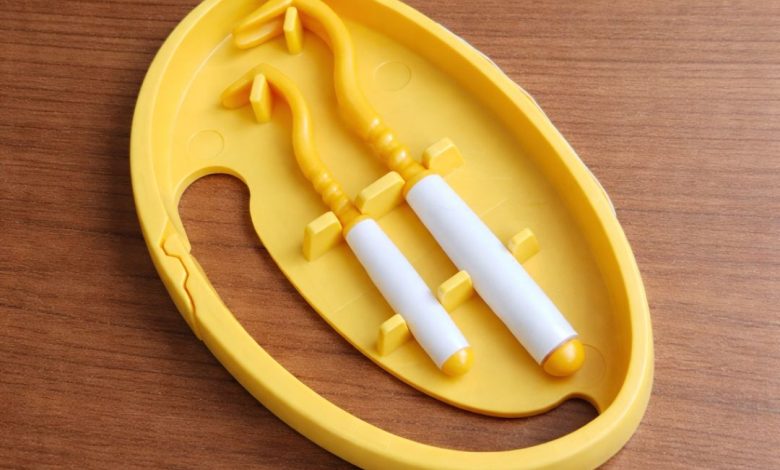
What It’s Called
- Name: Tick Twister
- Other common labels: tick remover hook, tick removal tool
- Typical set: Pack of 2 hooks (usually one small and one large to match tick size)
When It First Appeared
- The tool was developed by a veterinarian in the mid-1990s, with the product commonly cited as being introduced around 1995.
What It’s For
- Primary purpose:Remove attached ticks from:
- Dogs
- Cats
- Horses
- Humans
- Why people use it: It’s designed to remove a tick without squeezing its body, which many users prefer because it can reduce mess and help keep the removal controlled.
How It Works (Simple Explanation)
- The Tick Twister is a hook-shaped tool that slides under the tick.
- Instead of pulling straight up, you rotate/twist the tool so the tick releases.
- Most kits include two hook sizes so you can choose the best fit for the tick you see.
Key Features Shown in the Images
- Two different hook sizes stored in a single plastic holder
- Lightweight, portable design with a built-in carry shape (easy to keep in a pet kit, car, or backpack)
- Reusable plastic construction intended for repeated use
Basic Use (General Steps)
- Select the hook size that best matches the tick (small for tiny ticks, large for bigger ticks).
- Slide the hook gently against the skin so the tick sits in the narrow slot.
- Twist/rotate the tool steadily until the tick releases.
- Clean the area after removal and wash your hands.
Practical Tips
- Use good lighting so you can clearly see the tick and the skin surface.
- If you’re removing ticks from a pet that won’t stay still, have someone help hold them calmly.
- If you cannot remove the tick completely, or the bite area becomes increasingly red, swollen, painful, or you feel unwell afterward, contact a veterinarian (for pets) or a healthcare professional (for people).