Purple Butterfly Stickers Near Newborns: Here’s What It Means
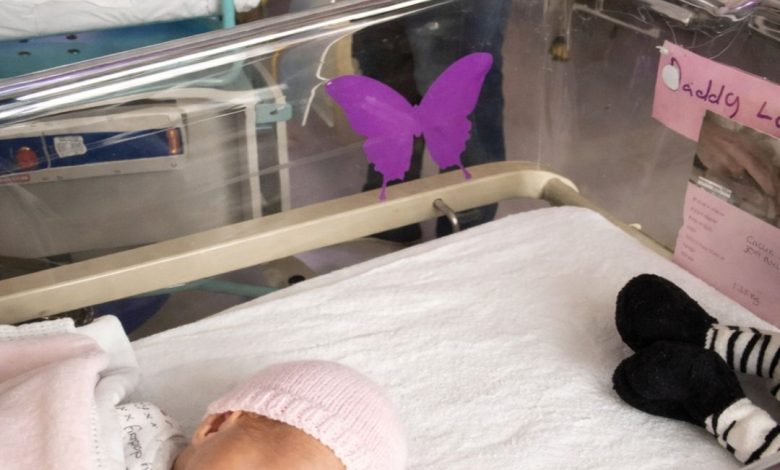
If you have ever noticed a small purple butterfly sticker on or near a newborn’s cot or incubator in a hospital, it is not decoration. It is a quiet, compassionate signal meant to protect grieving families and help staff and visitors respond with sensitivity.
What a Purple Butterfly Sticker Means
In many neonatal units, a purple butterfly sticker indicates that the baby was part of a multiple pregnancy (twins, triplets, etc.) and one or more siblings did not survive.
Hospitals use this symbol so that:
- Staff can provide appropriate support without repeatedly asking painful questions.
- Visitors and other parents avoid well-meaning comments that might unintentionally hurt someone who is grieving.
- The family’s experience is acknowledged without forcing them to explain their loss.
The Story Behind the Symbol
The purple butterfly sticker became widely known through the experience of a mother named Millie Smith, who was expecting identical twin girls. During pregnancy, she and her partner learned that one baby had a fatal condition and would not survive after birth.
After an emergency delivery at 30 weeks, both babies were born, but one twin lived only a short time. The surviving baby remained in the Neonatal Intensive Care Unit (NICU) to grow stronger.
While in the NICU, another parent—who did not know what had happened—made an innocent remark suggesting Millie was “lucky” not to have twins. The comment was not intended to harm, but it highlighted a painful reality:
- People around grieving parents often don’t know their full story.
- Parents may feel unable to explain their loss in the moment.
- A simple visual cue could prevent misunderstandings and emotional distress.
That moment inspired Millie to create a clear, gentle sign that could speak for families who have lost a baby in a multiple pregnancy.
Why a Butterfly—and Why Purple?
Millie chose the symbol intentionally:
- Butterflies can represent a brief life and a lasting memory—a way to honor babies who are gone.
- Purple is often seen as a gender-neutral color, appropriate for any baby.
Over time, the idea expanded beyond a single unit, helping more families in similar situations.
How the Sticker Helps in Real Life
The purple butterfly sticker may look small, but it can make a significant difference.
For grieving parents
- Reduces the burden of explaining what happened.
- Helps prevent comments like:
- “You’re so lucky it’s just one baby.”
- “At least you don’t have to juggle two.”
- Signals to staff that the family may need extra emotional support.
For hospital staff
- Supports consistent, trauma-informed care across shift changes.
- Helps staff choose language carefully and avoid assumptions.
- Encourages more thoughtful interactions during updates, questions, and routine care.
For other families and visitors
- Provides a gentle reminder to:
- Pause before making jokes or comparisons
- Offer support without prying
- Be mindful that not every situation is visible
Where You Might See It
You are most likely to see the purple butterfly sticker in areas such as:
- NICU (Neonatal Intensive Care Unit)
- Special care nurseries
- Postnatal wards where premature or medically fragile newborns are cared for
In some hospitals, the sticker may be paired with a small poster or notice explaining its meaning to visitors.
What to Do If You Notice a Purple Butterfly Sticker
If you see this symbol, the goal is not to stare or ask questions—it is to respond with respect.
Here are practical, appropriate ways to act:
- Avoid casual “lucky” comments about having one baby, quiet babies, or “easier” situations.
- If you want to be kind, keep it simple:
- “I’m thinking of you.”
- “Wishing your family strength.”
- Do not ask what happened unless the parent chooses to share.
- If you are staff or a close friend, consider asking gently:
- “Would you like any support right now?”
- “Is there anything I can do for you today?”
A Small Symbol With a Global Impact
What began as one family’s idea to prevent a painful misunderstanding has grown into a broader effort to make neonatal spaces more compassionate and emotionally safe. In addition to stickers, some communities have created related items—such as cards, keepsakes, and comfort gifts—to support families coping with newborn loss.
Key Takeaway
The purple butterfly sticker is a discreet way of saying: this baby is loved, and this family has experienced loss. It encourages everyone nearby—staff, visitors, and other parents—to lead with care, patience, and empathy.