My shins are flaking in thick layers no matter what I use, and I can’t get medical advice yet.
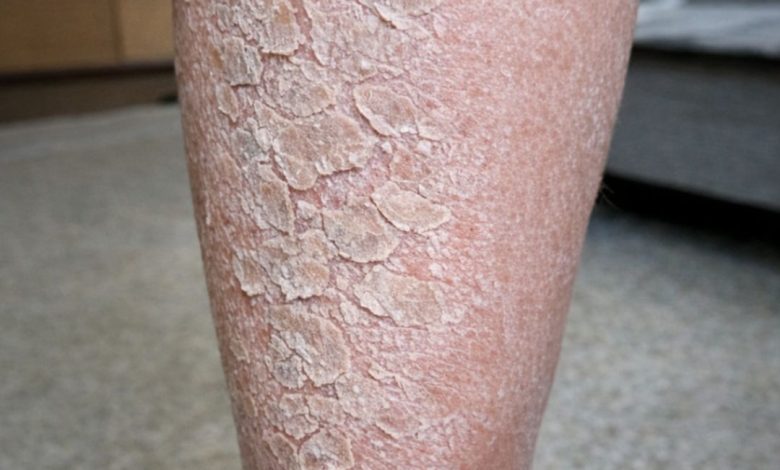
Persistent flaking skin on the shins can be more than just annoying. It can feel tight, itchy, rough, and sometimes even painful. When you cannot get medical care right away, it helps to know which signs may point to a more serious problem and which home-care steps may offer some relief in the meantime.
If you are dealing with thick, stubborn scaling on your shins, there are several practical things you can do now to protect your skin, reduce irritation, and keep track of what might be making it worse.
Watch for warning signs first
Before treating it like simple dry skin, make sure you are not missing something more urgent. Seek medical care quickly if you notice severe pain, rapid swelling, spreading redness, warmth, fever, pus, open sores, or sudden one-sided leg swelling. Those symptoms can suggest an infection or another serious issue that should not wait.
If the area is only flaky and dry without those red-flag symptoms, home care may help you stay comfortable until you can speak with a healthcare professional.
What might be causing thick shin flaking
There is no single cause of flaky skin on the lower legs. In many cases, the problem may be linked to very dry skin, also called xerosis. It may also be related to chronic skin conditions such as eczema or psoriasis.
Eczema often causes dry, irritated, itchy patches, while psoriasis can produce thicker, more defined plaques with silvery or white scaling. Some people may also have ichthyosis, a condition that causes dry, rough, scale-like skin. Weather, indoor heating, long hot showers, and harsh skin products can all make the problem worse.
Take a closer look at your skin
It helps to pay attention to what the scaling actually looks and feels like. Fine, powdery flakes may point more toward dryness, while thicker, plate-like scales may suggest a more persistent skin condition. Also notice whether there is itching, redness, cracking, tenderness, or bleeding.
Keeping notes on when the flaking gets worse can be useful. For example, it may flare after hot showers, cold weather, shaving, or using a new soap or lotion. These details can make it easier to explain the issue later to a doctor or dermatologist.
Switch to gentler cleansing
One of the fastest ways to make dry, flaky skin worse is by using harsh cleansers. Many regular soaps strip away the skin’s natural oils, leaving the area even drier and more irritated. Choose a gentle, fragrance-free cleanser made for sensitive skin instead.
After washing, avoid rubbing the skin with a towel. Pat the area dry gently, then apply moisturizer right away while the skin is still slightly damp.
Use heavy moisture to seal in hydration
When the skin on your shins is thick and flaky, lightweight lotions may not be enough. A richer product, such as a thick cream with ceramides or plain petroleum jelly, can help trap moisture and soften rough skin.
One helpful method is to moisturize after bathing, then apply a heavier layer over the driest spots before bed. Some people find that covering the shins with soft cotton fabric afterward helps the product stay in place and work more effectively overnight.
Try ingredients that soften thick scale
For very rough, stubborn flaking, certain over-the-counter ingredients can help. Urea is especially useful because it helps both draw in moisture and soften thickened skin. Lactic acid can also help loosen built-up dead skin and improve texture over time.
These products should be used carefully. Start with a lower strength and use them as directed, especially if your skin is cracked or sensitive. Follow with a moisturizer so the area does not become even drier.
Exfoliate gently, not aggressively
If your skin has thick, plate-like scaling, it may be tempting to scrub it away. But aggressive exfoliation often backfires and causes more irritation. A better approach is gentle exfoliation using a soft washcloth during a lukewarm shower.
You may also consider mild chemical exfoliants, but only if the skin is not raw or open. The goal is to gradually remove loose buildup, not force the skin off.
Change habits that may be making it worse
Everyday habits can have a major effect on flaky skin. Hot showers, long baths, rough fabrics, and tight clothing can all increase dryness and irritation. Try taking shorter, lukewarm showers and wearing loose, breathable cotton clothing whenever possible.
Even small changes can matter. Moisturizing right after bathing, avoiding fragranced products, and reducing friction on the area may help calm the flaking over time.
Support your skin from the inside, too
Skin health is not only about what you apply on the outside. Staying well hydrated may help overall skin function, and eating foods rich in healthy fats, such as omega-3s, may support the skin barrier.
Some people also look into supplements like vitamin D or biotin, but it is best to be cautious. Supplements are not a guaranteed fix, and it is smart to speak with a healthcare provider before starting anything new.
Track your symptoms carefully
If you cannot see a doctor right away, documenting what is happening can still help. Take clear photos every few days and write down any changes in itching, redness, scaling, pain, or cracking. Also note any new skin products, detergent changes, weather shifts, or foods that seem to line up with flare-ups.
This kind of record can make future medical visits much more productive and may help identify patterns you would otherwise miss.
Look for help sooner if needed
Even if you cannot get an in-person appointment right away, you may still have options. Telehealth visits, local pharmacies, and low-cost clinics can sometimes provide guidance sooner. A pharmacist may be able to recommend over-the-counter products for dry, scaly skin, while a virtual visit may help you decide whether your symptoms need more urgent evaluation.
The bottom line
Thick, flaky skin on the shins is often linked to dry skin, eczema, psoriasis, or another chronic skin condition, but it should never be ignored if it comes with pain, swelling, spreading redness, fever, or open sores. While you wait for medical advice, the best home approach is usually gentle cleansing, heavy moisturizing, careful use of skin-softening ingredients like urea, and avoiding anything that strips or irritates the skin further.
Most importantly, pay attention to changes. If the skin worsens, becomes painful, or shows signs of infection, get medical help as soon as possible.
Roncrucial.com does not give medical advice, diagnosis, or treatment.