I cracked an egg and the liquid is a neon pearlescent pink – is this safe?
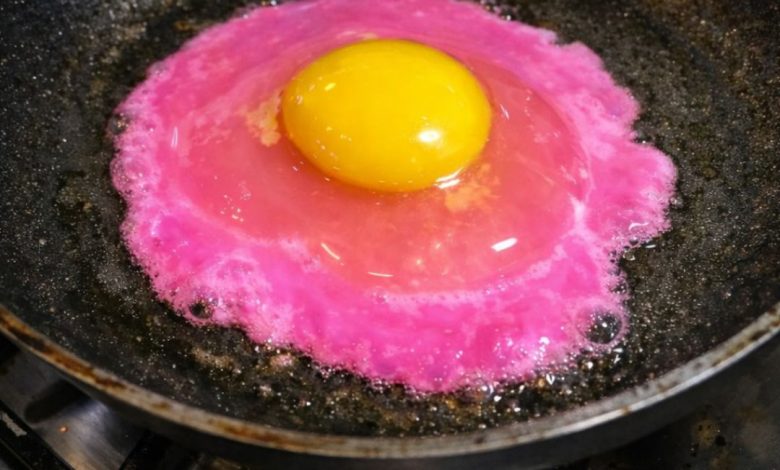
Eggs are one of the most common foods in American kitchens, used in everything from breakfast scrambles to baked goods. So when you crack one open and see an egg white that looks neon, pearlescent pink, it can be shocking. More importantly, it is not something you should ignore.
A pink egg white is not normal. In many cases, this unusual color may signal bacterial contamination, which means the egg should be treated as unsafe. Even if the smell seems mild at first, the strange color alone is enough reason to throw it away.
What a Pink Egg White Usually Means
A fresh raw egg white is normally clear or slightly cloudy. If it turns bright pink or pearly pink, that suggests something has gone wrong. One possible cause is contamination from Pseudomonas bacteria, a group of bacteria known to grow in damp conditions and spoil food.
Some strains of this bacteria can produce pigments that change the appearance of the egg white, giving it a pink, glowing, or iridescent look. That color change may seem bizarre, but it can be a sign that the egg is no longer safe to eat.
A neon pink egg should not be eaten.
Why This Is More Than Just a Strange Color
The problem is not only the appearance. If bacteria are present, the egg may also contain substances that can make people sick. Foodborne illness linked to spoiled eggs can cause symptoms such as nausea, vomiting, stomach cramps, and diarrhea.
That is why food safety experts generally recommend taking any unusual egg color seriously. If an egg looks abnormal in a way that cannot be easily explained, the safest choice is to discard it immediately.
Can a Pink Egg Ever Be Harmless?
In rare situations, color transfer from another substance may affect the shell or even the inside if something unusual happened during handling. But in everyday home use, a pink egg white is far more likely to be a warning sign than something harmless.
If the egg also has a bad smell, a slimy texture, or came from a cracked shell, the risk is even greater. When there is any doubt, do not taste it and do not try to cook it.
Other Signs an Egg Has Gone Bad
Color is only one clue. There are several other warning signs that an egg may be spoiled:
A rotten or sour odor is one of the clearest signs. A fresh egg should have little to no smell.
The texture also matters. If the egg white looks slimy, unusually thick, or strangely watery, that may point to spoilage.
The shell can also tell you something. Cracks, leaks, or a dirty and damaged shell can allow bacteria to get inside more easily.
If you see an unusual color plus a foul smell, the egg is almost certainly unsafe.
What To Do If You Crack Open a Pink Egg
If you open an egg and the white is pink, do not use it. Throw it away right away. Then wash anything that touched it, including your hands, the countertop, the bowl, and any utensils.
This step matters because bacteria can spread through contact. If the egg was stored with others from the same carton, inspect the rest carefully. If several eggs seem questionable, it may be best to dispose of the entire carton.
Do not “test” a pink egg by tasting it.
How Eggs Become Contaminated
Contamination can happen before the egg reaches your home or after you bring it into your kitchen. Eggs may be exposed to bacteria in unsanitary conditions, through damaged shells, or from improper storage.
Temperature is a major factor. Eggs kept too warm for too long are more likely to spoil. That is why refrigeration is so important.
To reduce the risk, eggs should be stored at 40°F (4°C) or below. Keeping them cold slows bacterial growth and helps preserve quality.
How To Store Eggs Safely
The best place to keep eggs is in the refrigerator, inside their original carton. The carton helps protect them from absorbing odors and also reduces moisture loss.
Avoid washing eggs before storing them. Washing can remove the shell’s natural protective layer, making it easier for bacteria to enter. If an egg needs cleaning, it is better to do that right before use, not ahead of time.
It is also smart to check for cracks before putting eggs away. A damaged shell can make contamination much more likely.
Safe storage helps prevent both spoilage and unusual color changes.
When To Contact the Store or Farm
If you find a pink egg, especially in a newly purchased carton, you may want to contact the store where you bought it. If the eggs came directly from a farm, letting them know is also a good idea.
If more than one egg appears abnormal, or if you suspect a larger quality problem, reporting it can help protect other customers as well.
Final Takeaway
A neon pink or pearlescent pink egg white is not a normal variation. It is a strong warning sign that the egg may be contaminated and unsafe to eat. The smartest response is simple: throw it away, clean everything it touched, and check the rest of the carton.
Eggs are usually safe when handled and stored properly, but when one looks this unusual, caution is the right move. If an egg looks wrong, smells wrong, or feels wrong, do not eat it.