Found this in a box of kitchen gadgets. It’s a long metal tube with a plunger at the top.
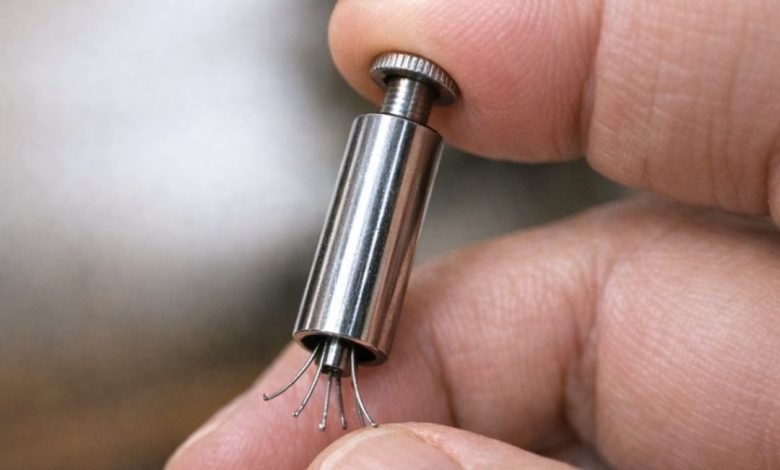
In a world filled with sleek kitchen gadgets and high-tech appliances, it is easy to forget the clever little tools that once solved everyday problems in surprisingly simple ways. That is why finding a long metal tube with a plunger on top and tiny claws at the bottom can feel so puzzling. At first glance, it may look more like a mechanical grabber from an old toolbox than something meant for food.
But this unusual object has a very practical identity. It is known as a vintage pickle picker, a once-popular kitchen tool designed to help people remove pickles, olives, and other slippery foods from jars without using their fingers or making a mess.
What Is a Vintage Pickle Picker?
A vintage pickle picker is a slim metal device, usually made of stainless steel or chrome-plated metal, with a spring-loaded plunger at the top. When the plunger is pressed, a set of small metal claws opens at the bottom. When the plunger is released, the claws close around the food, allowing it to be lifted out of a jar neatly and easily.
This simple design made it especially useful in a time when jars often had narrow openings and serving utensils were not as specialized as they are today. Instead of struggling with a fork or fishing around with fingers, home cooks could use this clever tool to grab a pickle cleanly and serve it with ease.
Why It Was Once So Popular
The pickle picker became especially popular in the mid-20th century, when jarred foods were a regular part of American kitchens. Pickles, olives, cocktail onions, and maraschino cherries were common at family dinners, holiday gatherings, and cocktail parties.
Back then, presentation mattered. Serving guests with a dedicated kitchen gadget felt tidy, proper, and even a little elegant. The pickle picker offered a cleaner, more hygienic way to handle food, which made it appealing to homemakers who wanted both convenience and good table manners.
How the Claw Mechanism Works
The charm of the pickle picker lies in its simple but effective mechanism. Pressing the plunger activates an internal spring that forces the claws to open. Once the claws are positioned around the pickle or olive, releasing the plunger causes them to close and hold the item securely.
That means the tool can reach into a deep jar, grab a slippery item, and lift it out without splashing brine or dropping food back into the container. For something so small and old-fashioned, it is a surprisingly smart design.
More Than Just for Pickles
Although it is called a pickle picker, this tool was not limited to pickles alone. Similar versions were used for olives, cocktail garnishes, cherries, and other small jarred foods. Some models were slightly smaller or more delicate depending on their intended use, but the basic idea stayed the same.
Its versatility is part of what made it such a handy item in older American kitchens. One little gadget could handle a range of serving tasks with minimal fuss.
How to Use One Today
A vintage pickle picker can still be used today, as long as it is in good condition. Before using it, make sure it is clean, rust-free, and functioning smoothly. Press the plunger to open the claws, lower them around the item inside the jar, then release the plunger so the claws can grip it.
Lift slowly and steadily to avoid dropping the food or spilling liquid. It is a simple process, but using an original vintage tool adds a touch of nostalgia that modern utensils just do not have.
Cleaning and Caring for an Old Pickle Picker
Because many of these tools are decades old, proper care is important. Wash it gently with warm, soapy water, making sure to clean around the claw mechanism where bits of food or brine may collect. Dry it thoroughly right away to help prevent rust.
If there is tarnish or buildup, a gentle cleaning with baking soda and vinegar can help restore its appearance. For models with stiff springs or moving parts, a tiny amount of food-safe lubricant may help keep the mechanism working smoothly.
How to Tell if Yours Is Truly Vintage
If you think you have found an authentic old pickle picker, there are a few clues to look for. Genuine vintage pieces often show light wear, patina, small dents, or slight discoloration that come with age. Some may also have a maker’s mark or stamped brand name on the shaft or near the plunger.
The materials can also reveal a lot. Older tools were usually made with sturdier metals and better craftsmanship than many modern reproductions. A smooth plunger action, well-shaped claws, and solid construction are often signs that the piece is truly old.
Could It Be Worth Anything?
A vintage pickle picker is usually not considered a high-dollar antique, but it can still hold value for collectors who enjoy retro kitchen gadgets, Americana, and household tools from the past. The price depends on condition, rarity, brand, and whether the mechanism still works.
A clean, functional example with a recognizable maker’s mark or family history may attract more interest from collectors than a damaged or rusty one. Even when the monetary value is modest, the charm and curiosity factor can make it a treasured find.
A Fun Old Tool With Modern Charm
Today, a pickle picker can still be useful for serving appetizers, garnishing cocktails, or adding a unique touch to a charcuterie board. It can also become a great conversation piece, especially when guests ask what that strange clawed gadget is doing next to the olives.
What once served as an everyday kitchen helper now feels like a small piece of culinary history. And that is part of its appeal. It reminds us that even the simplest old tools were designed with care, purpose, and a little ingenuity.
So if you ever come across a mysterious metal tube with a plunger and tiny claws, do not toss it aside as junk. You may be holding a vintage pickle picker, a clever little gadget from another era that still has plenty of charm today.