Your Skin May Be Sending Health Signals You Shouldn’t Ignore

A faint, net-like pattern spreading across the skin in purple, bluish, or reddish tones can look like a simple cosmetic change—especially if it shows up in cold weather. But this condition, called livedo reticularis, may be harmless and temporary in some people, or it may be an early warning sign of an underlying health problem in others.
What Is Livedo Reticularis?
Livedo reticularis is a mottled, web-like discoloration of the skin, most often seen on the legs, arms, or torso. It happens when blood flow in the small vessels under the skin becomes uneven or pools, creating areas where oxygen delivery is lower—leading to a visible “lacy” pattern.
Many people notice it more in the cold because the pattern can become more pronounced with cold exposure and sometimes fade as the skin warms.

The Two Main Types
- Primary (Physiological) Livedo Reticularis
- Usually harmless
- Often triggered by cold temperatures
- More common in children, young adults, and people with fair skin
- Typically improves or disappears with warmth
- Secondary (Pathological) Livedo Reticularis
- Persists regardless of temperature
- May be linked to serious conditions affecting blood vessels, immunity, or clotting
- Needs medical evaluation, and sometimes ongoing treatment
Possible Causes
Livedo reticularis can have many triggers and underlying causes. Common possibilities include:
- Cold exposure (most common, often benign)
- Vascular diseases (problems with blood vessels and circulation), such as:
- Vasculitis
- Peripheral artery disease
- Autoimmune disorders, including:
- Lupus
- Rheumatoid arthritis
- Antiphospholipid syndrome
- Blood clotting disorders (clotting abnormalities that affect circulation), such as:
- Thrombophilia
- Medication side effects
- Some medications used for Parkinson’s disease, high blood pressure, or other chronic illnesses have been associated with livedo-like patterns
In rarer cases, livedo reticularis may be associated with severe systemic illnesses, including:
- Sneddon’s syndrome (a rare disorder linked with strokes)
- Polyarteritis nodosa
- Cholesterol embolization
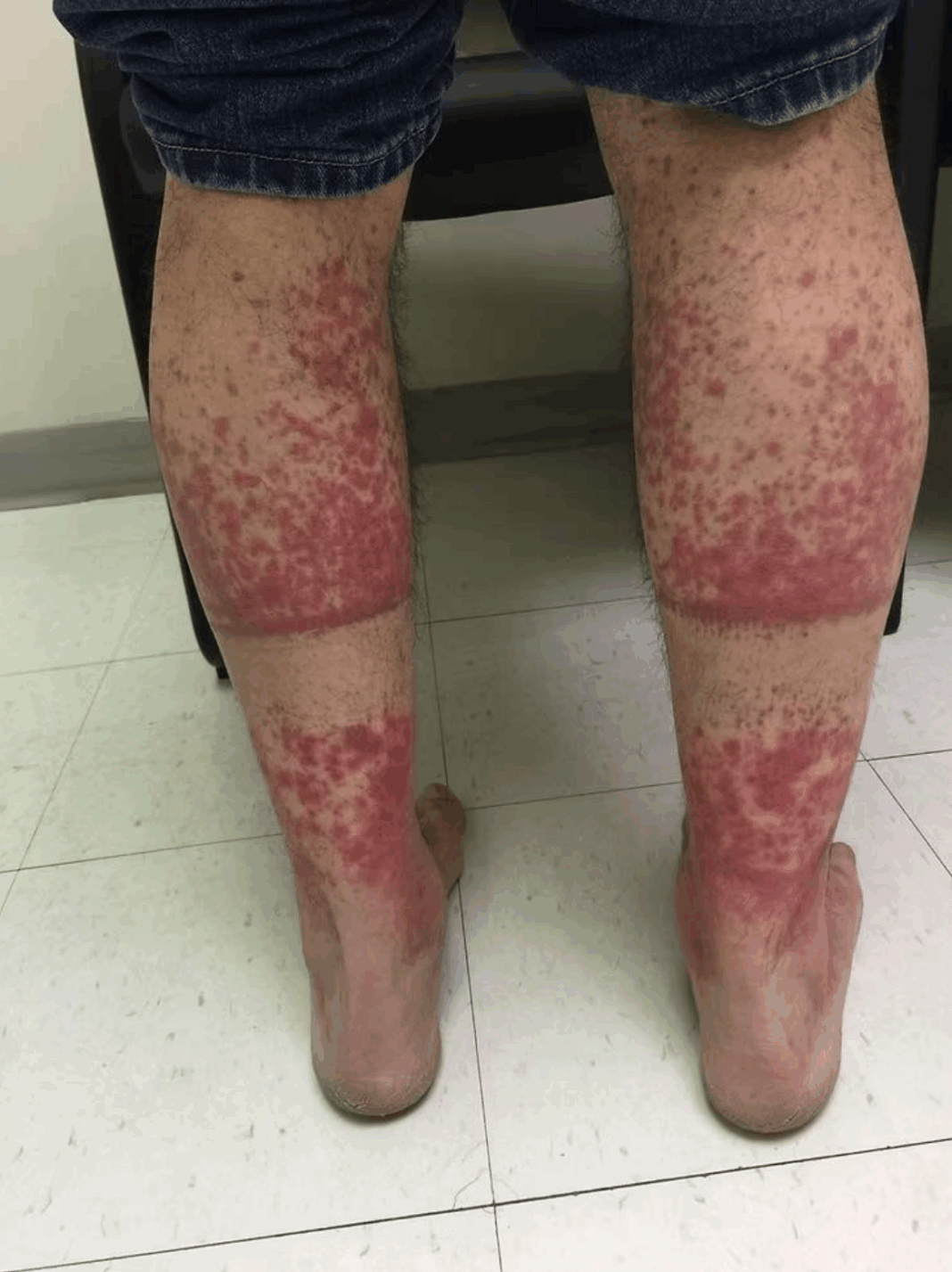
Symptoms and Warning Signs to Watch For
The main feature is the lacy, mottled discoloration—but additional symptoms may suggest a more serious issue. Red flags can include:
- Persistent coldness or numbness in the affected area
- Pain, cramping, or heaviness in the legs
- Skin ulcers, sores, or wounds (in more severe cases)
- Neurological symptoms (when linked to systemic disease), such as:
- Headaches
- Vision problems
- Stroke-like symptoms
A pattern that fades with warmth is often less concerning, but discoloration that lingers, spreads, or worsens deserves attention.
How Doctors Diagnose It
Diagnosis usually starts with:
- A physical exam
- A review of personal and family medical history
Depending on symptoms and risk factors, testing may include:
- Blood tests (to look for autoimmune markers, clotting problems, or inflammation)
- Skin biopsy (less common, but can show blood vessel inflammation)
- Imaging such as ultrasound (to evaluate blood flow and vessel health)
Treatment Options
If It’s Primary (Harmless) Livedo Reticularis
- Often no treatment is needed
- The main approach is prevention and comfort:
- Stay warm
- Avoid sudden cold exposure
- Monitor whether it consistently resolves with warmth
If It’s Secondary (Due to an Underlying Condition)
Treatment focuses on the root cause. Depending on what’s found, options may include:
- Anticoagulants to reduce the risk of blood clots
- Corticosteroids or immunosuppressants for autoimmune-related causes
- Medications that support circulation when vascular disease is involved
- Lifestyle measures to lower overall vascular risk, such as:
- Quitting smoking
- Staying physically active
- Managing cholesterol and blood pressure
When You Should See a Doctor
Seek medical advice if any of the following apply:
- The discoloration doesn’t fade with warmth
- You develop pain, ulcers, or open sores
- The skin changes occur along with broader symptoms like:
- Joint pain
- Unusual fatigue
- Neurological symptoms (headaches, vision issues, weakness, stroke-like signs)
Early evaluation can be important, because livedo reticularis may be one of the first visible clues of a hidden condition that is more treatable when identified sooner.
Key Takeaway
Livedo reticularis can be a temporary reaction to cold, but it can also be a signal of deeper circulation, immune, or clotting problems. The most important distinction is whether it clears with warmth and whether there are other symptoms—especially pain, sores, or neurological warning signs.