Woman reveals her abros*xual identity after three decades-long journey
When Attraction Doesn’t Follow a Straight Line
Attraction is often described as stable and predictable, but for some people it shifts over time. This experience can be confusing—especially in a world that prefers clear labels. There is a term for attraction that frequently changes: abrosexuality.
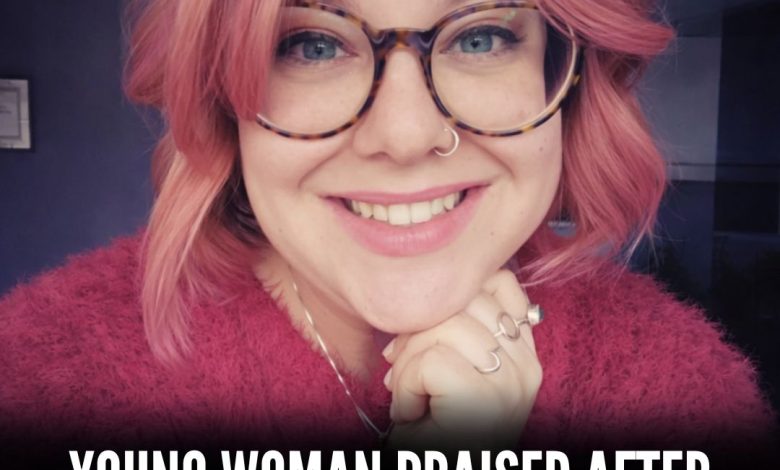
One writer, Emma Flint, described a long journey of uncertainty that lasted around 30 years, where her feelings of attraction changed in ways she didn’t fully understand at the time. Her story offers a clearer window into a frequently misunderstood identity and raises broader questions about how society shapes the way people interpret themselves.
Why People Question Fluid Identities
Some individuals wonder whether changes in attraction are always “real,” or whether outside forces influence the way people label themselves. Flint’s experience reflects a common pressure many people feel: the demand to present identity as fixed and simple.
This leads to uncomfortable questions such as:
- Is the person describing a genuinely fluid identity, or reacting to social pressure and rigid expectations?
- Could some people misinterpret abrosexuality because they feel pushed to “pick a label” quickly?
- Does society’s insistence on categorization create more confusion, rather than clarity?
Flint’s perspective emphasizes a key idea: lack of public understanding does not make an identity invalid.
Emma Flint’s Experience: “I Felt Lost”
Flint described moving through periods where her sense of attraction shifted, leaving her feeling uncertain about how to describe herself. At one point, she believed she was a lesbian, later experienced attraction to men, and at other times felt disconnected from anyone.
Key themes from her account include:
- Long-term uncertainty: She felt “lost” and unsure of who she was for years.
- Shifting identity: It wasn’t indecision—it was that her feelings changed over time.
- Relief through language: Everything made sense when she encountered the word “abrosexual” and finally felt recognized.
Definition: What Is Abrosexuality?
Abrosexuality is an LGBTQ+ identity describing sexual attraction that frequently changes over time.
An abrosexual person may experience shifts such as:
- Identifying as gay at one point
- Later feeling attraction to multiple genders
- At times feeling little or no sexual attraction
- Experiencing changes that may be daily, gradual, or long-term
Unlike labels that focus mainly on who someone is attracted to (based on gender), abrosexuality focuses on the fact that attraction itself can change.
What Abrosexuality Can Look Like in Real Life
There is no single “correct” way to experience abrosexuality. Examples often described include:
- Daily shifts: Feeling attracted to one gender one day, then another the next.
- Gradual changes: Feeling attraction to all genders for months, then noticing it narrows or shifts.
- Periods of low or no attraction: Sometimes resembling asexuality, with attraction returning later.
- Long-term evolution: Identifying one way for years, then discovering new patterns of attraction.
#NewProfilePic pic.twitter.com/3v66GpX6At
— Em (@LiterateElf) April 1, 2025
Common Misunderstandings and Social Pressure
Abrosexual people may face skepticism because others want consistent, easy-to-explain categories. Some may hear comments like “choose a lane”, implying they must settle on one label to make others comfortable.
But a changing experience of attraction is not automatically confusion or manipulation. In many cases, it is simply:
- Self-awareness over time
- Growth and reflection
- A more accurate description of lived experience than rigid labels allow
Why Visibility and Language Matter
Flint’s story highlights how powerful language can be. Many people feel disconnected or “wrong” because they can’t name what they’re experiencing. Discovering an identity label can provide:
- Validation (“I’m not alone.”)
- Clarity (“This explains my pattern.”)
- Confidence when speaking about boundaries and needs
- Community through shared understanding
A Broader Takeaway: Identity Is Personal
Abrosexuality challenges the idea that attraction must be permanent to be real. Flint’s message encourages a more empathetic view: people are constantly learning about themselves, and that learning does not need to fit neatly into someone else’s expectations.
Ultimately, her journey invites readers to be more open-minded toward identities that don’t match traditional categories—and to respect that for some people, attraction is fluid, evolving, and still completely valid.