What was this for and why a bottom shelf?
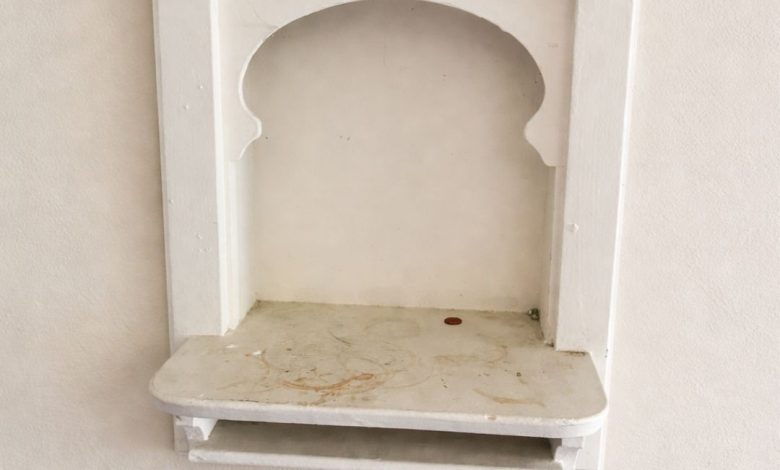
What You’re Looking At
If your home was built in the early to mid-1900s, you might notice a small recessed shelf built into the wall, often in a kitchen or hallway. This feature wasn’t decorative at first—it had a very practical purpose.
The Name: A “Phone Niche”
That built-in shelf is called a phone niche. It was designed to hold a household telephone back when most people used landline phones instead of mobile devices.
Why Phone Niches Existed
Before smartphones, many families shared one central phone in the home. A phone niche helped by:
- Keeping the phone in a consistent, easy-to-find location
- Providing a stable surface for the base and cord
- Creating a dedicated communication spot for the household
Some phone niches were built with extra features, such as:
- A small ledge or mini shelf above or below the niche
- A space for address books or phone books
Why They Feel “Ancient” Today
Modern homes rarely include phone niches because:
- Many households have stopped using landlines
- Most communication happens through cellphones
- Contact lists are digital, so physical address books are less common

How to Use a Phone Niche Today
Even though the original purpose has faded, a phone niche can still be useful. Popular modern ideas include:
- Vintage decor: place an old-school phone to keep the historic look
- Practical storage: stack a few small books or everyday items
- Seasonal styling: rotate decor objects to match holidays or seasons
- Mini plant display: arrange small potted plants for a fresh accent
- Entryway function: turn it into a drop spot for keys or small essentials (if placed near a hallway)

Why People Still Love This Feature
Phone niches are a reminder that older homes were often built with small, thoughtful details that reflected daily life at the time. Today, they’re valued as a touch of character and history, even when repurposed for modern living.
Key Takeaway
A phone niche is a built-in wall shelf originally meant to hold a landline telephone—and today it can be reinvented as decor, storage, or a display space while preserving the charm of an older home.