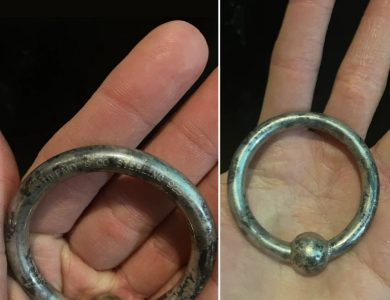
What was the intended use of this item? Nobody will be able to answer, I guess.
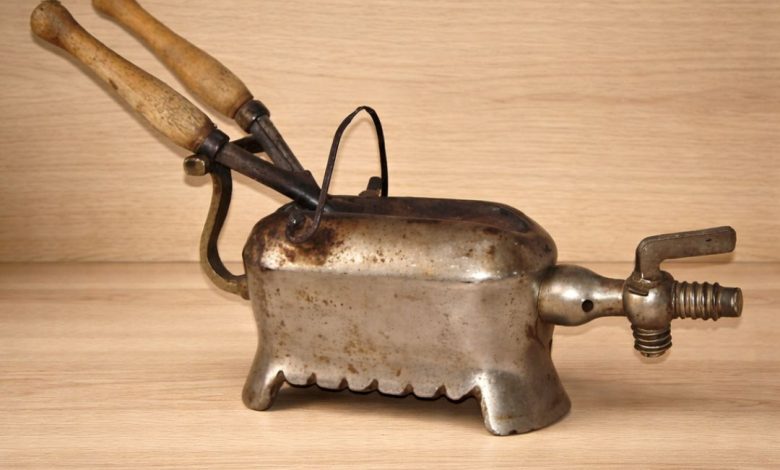
The item shown is a rare antique gas hair curling iron heater/holder—a specialized metal device designed to heat a curling iron using a household gas stove flame. Instead of plugging in, the user relied on a stove’s gas burner to warm the iron, then formed waves or curls in the hair.
What It’s Called
Common names used by collectors and sellers include:
- Antique Gas Hair Curling Iron
- Gas Curling Iron Heater
- Stove-Mounted Curling Iron Holder/Heater
- Curling Iron Heater Attachment (for gas stoves)
When It Appeared (Time Period)
- Most consistent with the late 1800s to early 1900s, when:
- Gas stoves were widespread in homes, and
- Many hair tools were heat-based (warmed by fire, stove, or burner) rather than electric.
- This style fits the transition era before electric curling irons became common in everyday households.
Who Created It (Inventor / Maker)
- A single, universally credited inventor for this exact gas-heater attachment is often not documented, because many beauty tools of this type were produced by different manufacturers and sold through catalogs and local suppliers.
- However, the broader concept of heated curling irons became popular after Marcel Grateau (France) introduced and popularized the “Marcel wave” iron in the late 19th century—a heated iron technique that influenced many non-electric curling tools.
- In many surviving examples, the specific brand or maker is unknown unless a stamped mark is present on the metal.
How It Works (Simple Explanation)
This tool is essentially a small metal heater that connects to a gas stove:
- The device attaches near a gas burner (or aligns to receive flame).
- Inside is a metal pipe/tube path where flame or heat passes, turning the metal hot.
- The curling iron rests on the heated pipe so it warms evenly.
- Once hot enough, the user picks up the curling iron and shapes hair into curls or waves.
Main Purpose and Practical Use
- Primary function: Heating a curling iron for hair styling without electricity.
- What it was used for:
- Creating curls (barrel curls, bends)
- Forming waves (early wave styles that later evolved into set waves and finger-wave looks)
- Why it mattered historically:
- It offered a repeatable, controlled heating spot compared with holding irons directly over flame.
- It helped bring salon-style heat tools into the home during the gas-stove era.
Notable Design Features (What You’re Seeing)
- All-metal heater body built to tolerate high temperatures
- A stove/burner connection point (or clamp/attachment area) to position it near gas heat
- A heated tube/pipe section where the curling iron sits
- A paired metal curling iron with wooden handles to reduce hand heat exposure
Important Safety Reality (Then vs. Now)
- These tools could get extremely hot, and users had to judge temperature without modern thermostats.
- Risks included:
- Hair scorching if overheated
- Skin burns from hot metal
- Fire hazards from open flame and nearby materials