This vintage piece was noted for its specific use and impressive durability
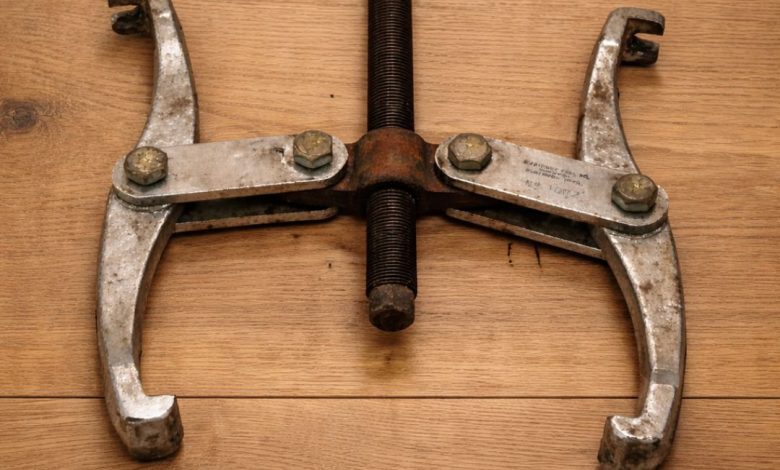
The Gear Puller: A Small Tool With a Big Job
The gear puller is a widely used tool in automotive and industrial repair, built to remove gears, pulleys, and bearings from shafts and axles. Its core value is simple: it helps mechanics remove tight, stuck parts using controlled force, reducing the chance of damaging the machine.
Origins: Why Mechanics Needed It
Before gear pullers existed, removing tightly fitted components was risky and frustrating. Mechanics often had to rely on forceful methods that could lead to:
- Broken parts
- Bent axles
- Extra repair work
The first gear pullers began appearing in the late 1800s to early 1900s, during a period when mechanical engineering was rapidly advancing and repair methods needed safer precision tools.
How a Gear Puller Works (Step-by-Step)
A standard gear puller typically includes a central screw and two or three adjustable arms. The basic process looks like this:
- Position the arms around the gear, pulley, or bearing.
- Tighten the central screw to apply steady pressure.
- As the screw presses against the shaft center, the arms pull the component outward.
This design helps apply an even pulling force, which is why it is valued for precision work and for avoiding unnecessary damage.
Evolution: From Manual Tools to High-Power Systems
Early gear pullers were manual, commonly made from cast iron or steel, and built for durability. Over time, new technology expanded what the tool could handle:
- Mid-20th century developments introduced hydraulic and pneumatic gear pullers
- Hydraulic versions use pressurized fluid to generate much greater pulling power than hand-turning alone
Even with these upgrades, the core principle stayed the same: controlled force to remove parts safely.
Why Vintage Gear Pullers Still Matter
Vintage gear pullers remain popular with collectors and mechanics because they represent a period of hands-on precision craftsmanship. They are often praised for:
- Durability (many still work today)
- Ingenuity (simple design, highly effective)
- Historical value (a bridge between early repair methods and modern tooling)
Real-World Uses: Where the Tool Proves Its Value
Gear pullers became essential because they reduced risk and downtime in both workshops and industrial settings. Common uses include:
- Removing gears during engine repair or replacement
- Extracting pulleys from motors or pumps
- Removing bearings without damaging nearby components
By making these jobs faster and safer, the gear puller helped improve repair efficiency and machine longevity.
The Legacy of the Gear Puller
The gear puller’s lasting impact is rooted in one idea: repairs should rely on precision, not brute force. While modern versions may use advanced power systems, the tool’s defining purpose remains unchanged—removing components cleanly and safely in mechanical repair around the world.