The Lesson Kids Remember After Divorce: Kindness, Respect, and a United Front
Divorce Changes the Marriage, Not the Responsibility
No one enters marriage expecting divorce, and when children are involved, the stakes become even higher. Even in the most peaceful separations, it can be difficult for former spouses to treat each other with respect. But when they do, they send a powerful message to their children: the family may look different, but it is still a family.
The Photo That Made People Stop and Think
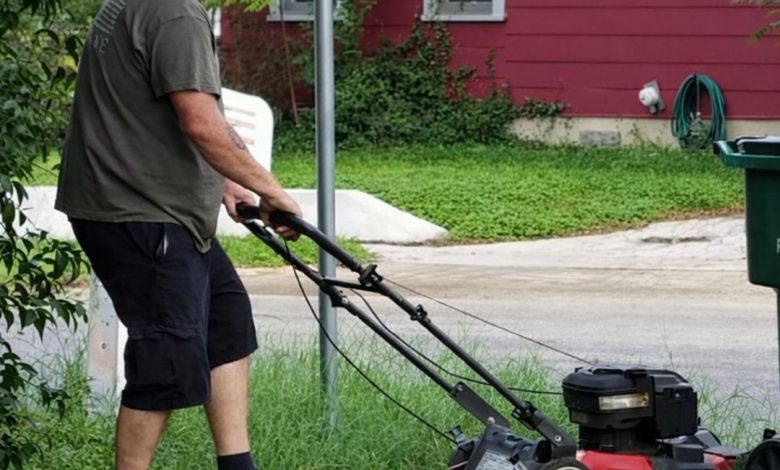
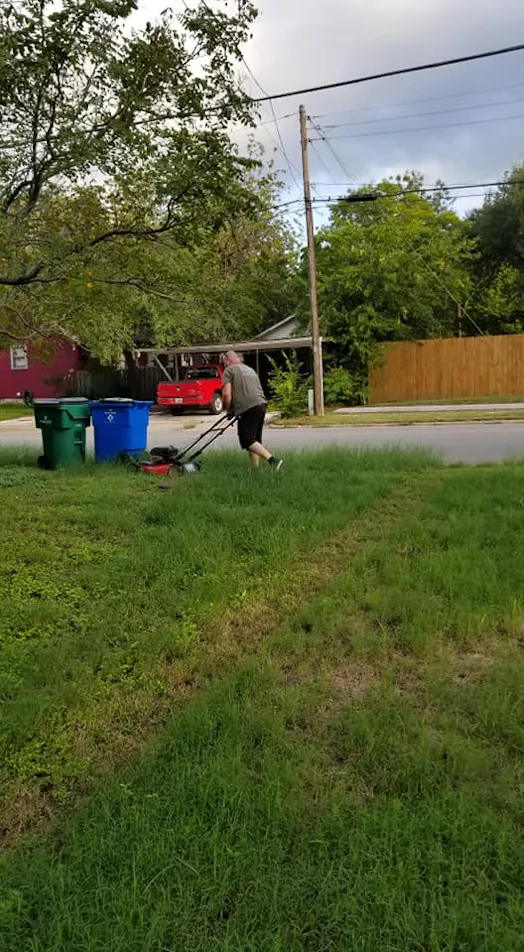
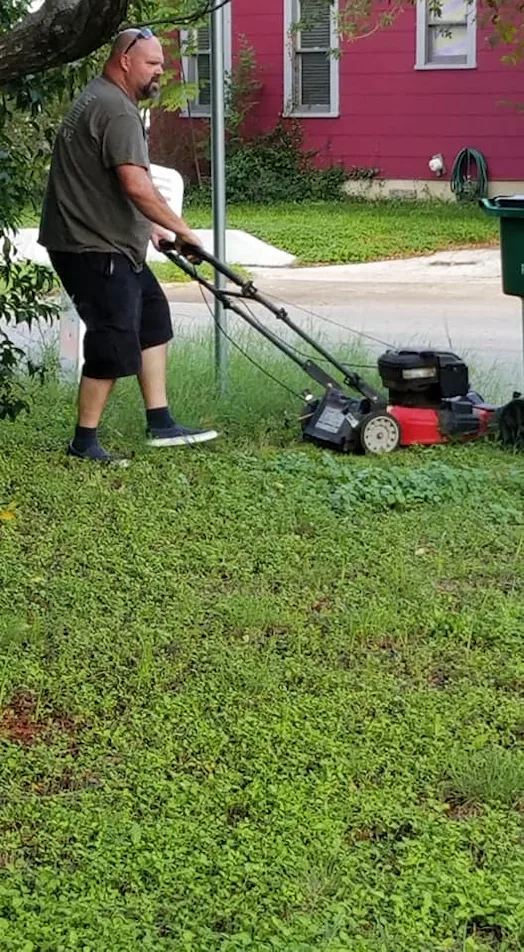
Codie LaChelle McPhate shared a photo that looked ordinary at first: her dad mowing a lawn. The impact came from the detail many people didn’t expect.
- Her parents have been divorced for 28 years.
- The lawn her dad was mowing was her mom’s lawn, not his.
When her younger siblings asked why her dad would do that, McPhate’s answer was simple and profound:
- Because her mom needed help, and her dad knew she couldn’t do it.
Why He Stepped In: A Practical Need, A Powerful Example
McPhate explained that her mom has bad knees, and her stepdad often works out of town, so her dad helps when he can. She described this as what real co-parenting should look like:
- Helping when the other parent needs support
- Putting the children’s sense of stability first
- Showing that respect doesn’t have to end with the marriage
She emphasized how fortunate she feels to have four parents who respect each other and focus on what matters most:
- Teaching their children—at any age—how to treat people
- Demonstrating how to love family, no matter how it came together
A “United Front” That Protected the Kids
McPhate said her parents always presented a consistent message:
- “We’re a family and that’s all you need to know.”
One of the most striking details she shared was that she still doesn’t know why her parents divorced. Her mother’s boundary was clear:
- “It’s none of your business. It wasn’t your marriage—it was mine.”
What Children Actually Need During Divorce
McPhate’s story highlights a core truth: children do not need the details of adult conflict. They don’t need to know:
- Who was “right” or “wrong”
- Who did what
- Whose fault it was
What they do need is reassurance that:
- They are safe
- They are loved
- They still belong to a family, even if it looks different than before
The Cost of Turning Divorce Into a War
McPhate warned against parents using hate or blame as a coping mechanism after divorce. She stressed that when parents attack each other, the biggest casualties are often the children:
- Kids absorb the tension
- They feel forced to “choose sides”
- They suffer while adults seek vindication
Her message was direct:
- When parents spew hate at each other, the kids pay the price.
The Update After It Went Viral: A Simple Principle
After the post spread widely online, McPhate shared an update: her dad wanted people to know he isn’t a saint. The point wasn’t perfection—it was a choice:
- “We should all choose kindness whenever we can.”