Ribeye Steak, Done Right: A Simple Step-by-Step Guide
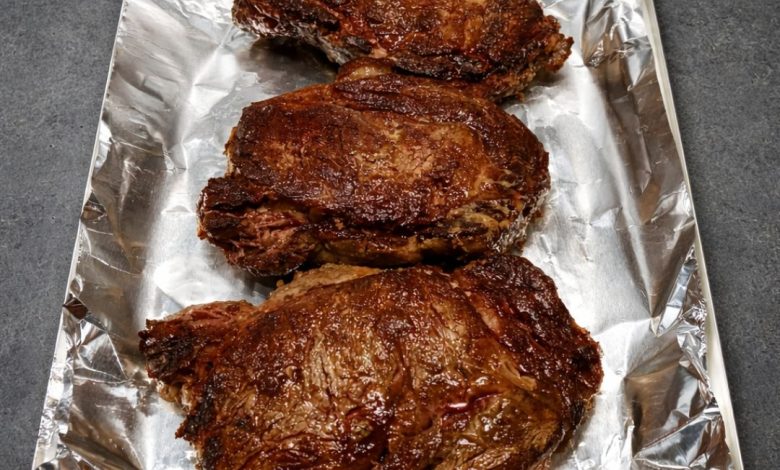
Your ribeye looks like you really understood the two hardest parts: getting a deep, flavorful sear and keeping the inside juicy. That takes timing and confidence. Cooking a steak well at 16 is genuinely impressive—nicely done.
What Makes Ribeye Special
- Ribeye has more marbling (fat inside the meat), which helps it stay tender and flavorful.
- It rewards simple seasoning and good technique: dry surface + hot pan + rest time.
Ingredients (Simple and Classic)
- 1 ribeye steak (ideal thickness: 1–1.5 inches / 2.5–4 cm)
- Salt (preferably kosher)
- Black pepper
- 1–2 tbsp high-smoke oil (avocado, canola, grapeseed)
- Optional for basting: 2 tbsp butter, 2–3 garlic cloves (crushed), 1–2 sprigs rosemary or thyme
Equipment You’ll Want
- Heavy skillet (cast iron is best)
- Tongs
- Paper towels
- Meat thermometer (strongly recommended for accuracy)
- Plate + foil (optional) for resting
Step-by-Step: Pan-Seared Ribeye (Most Reliable Method)
- Dry the steak (important)
- Pat both sides very dry with paper towels.
- A dry surface = better crust.
- Season confidently
- Salt both sides generously (and edges). Add pepper.
- If you have time: salt 30–60 minutes ahead (even better texture). If not, season right before cooking.
- Heat the pan properly
- Put skillet on medium-high to high until it’s very hot.
- Add oil and swirl. The oil should shimmer.
- Sear the first side
- Lay steak in the pan away from you.
- Don’t move it for 2–4 minutes (depends on thickness) until a dark golden-brown crust forms.
- Flip and sear the second side
- Cook another 2–4 minutes.
- Sear the edges (quick but worth it)
- Hold steak with tongs and press edges to the pan for 10–20 seconds per edge.
- Optional: butter baste for flavor
- Lower heat to medium. Add butter + garlic + herbs.
- Tilt pan and spoon butter over the steak for 30–60 seconds.
- Finish to doneness (use a thermometer)
- If steak is thick, you may need another 1–4 minutes total, flipping every 30–60 seconds for even cooking.
- Pull the steak a few degrees before your target because it keeps cooking while resting.
- Rest (do not skip)
- Rest steak on a plate for 5–10 minutes.
- This helps juices redistribute so it stays juicy, not watery.
Doneness Guide (Internal Temperature)
- Rare: 120–125°F (49–52°C)
- Medium-rare: 130–135°F (54–57°C)
- Medium: 140–145°F (60–63°C)
- Medium-well: 150–155°F (66–68°C)
- Well-done: 160°F+ (71°C+)
Tip: For ribeye, most people love medium-rare to medium for the best tenderness.
Pro Tips (The “Make It Better” Checklist)
- Dry steak = better sear. Moisture is the enemy of crust.
- Hot pan first, oil second.
- Flip with tongs, not a fork (fork can let juices escape).
- If smoke gets intense, slightly reduce heat—but keep it hot enough to sear.
- Slice against the grain for tenderness.
Common Mistakes to Avoid
- Moving the steak too soon (prevents crust).
- Cooking straight from very cold (can cook unevenly).
- Skipping rest time (juices run out when cut).
- Overcrowding the pan (steak steams instead of sears).
Easy Serving Ideas
- Garlic butter on top while resting
- Simple salad or roasted vegetables
- Mashed potatoes or rice
- A squeeze of lemon over veggies (not usually on the steak itself)
Food Safety Notes
- Wash hands and surfaces after touching raw meat.
- Use a thermometer if possible—it’s the easiest way to be consistent.