Proven Ways to Clean Deeply Stained Plastic Cutting Boards
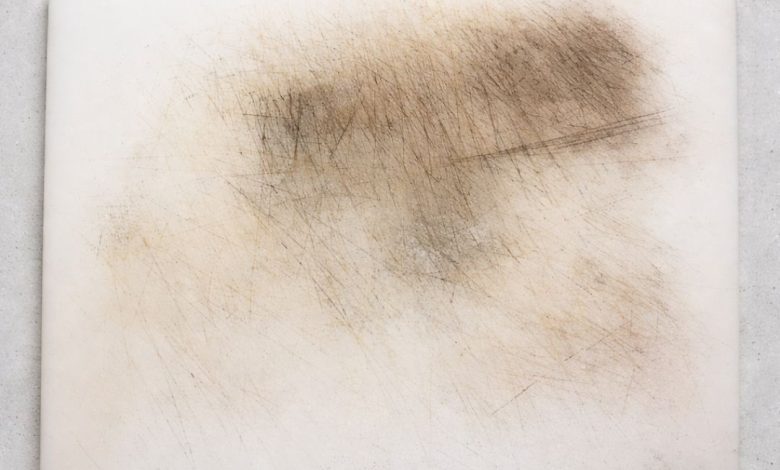
How to Clean Black Stains from Plastic Cutting Boards
Plastic cutting boards are widely used in home kitchens because they are lightweight, affordable, and easy to store. However, over time, they often develop black stains, dark streaks, and deep knife marks that are difficult to remove with regular washing. Many people assume replacement is the only option, but several effective cleaning methods can significantly restore their appearance.
Why Plastic Cutting Boards Turn Black
Plastic cutting boards discolor mainly due to knife scratches and food residue. These grooves trap moisture, grease, and bacteria, which gradually darken and create stubborn stains.
Common Causes Include:
- Deep knife marks that trap food particles
- Grease and oil absorption from meats and cooked foods
- Pigmented foods such as onions, garlic, herbs, and spices
- Heat exposure that opens the plastic surface and absorbs stains
Effective Methods to Remove Black Stains
Several household solutions can help reduce or eliminate black discoloration without replacing the board.
1. Baking Soda Paste
- Mix baking soda with a small amount of water to form a thick paste
- Spread evenly over stained areas
- Scrub firmly using a brush or sponge
- Rinse thoroughly and air dry
Why it works: Baking soda is a mild abrasive that lifts stains from knife grooves without damaging plastic.
2. White Vinegar and Baking Soda
- Sprinkle baking soda over the board
- Pour white vinegar on top to create fizzing
- Let sit for 10–15 minutes
- Scrub and rinse
Key benefit: The reaction helps break down grease and discoloration embedded in scratches.
3. Hydrogen Peroxide Soak
- Pour 3% hydrogen peroxide over the entire surface
- Cover with plastic wrap to prevent evaporation
- Leave for 4–8 hours or overnight
- Rinse and dry
Best for: Deep-set black stains and odor removal.
4. Lemon and Coarse Salt
- Sprinkle coarse salt generously on the board
- Scrub using half a lemon
- Let sit for 10 minutes before rinsing
Additional benefit: Natural deodorizing and light bleaching effect.
5. Sunlight Whitening
- After cleaning, place the board in direct sunlight for several hours
- UV rays help lighten stains and kill bacteria
When a Cutting Board Should Be Replaced
Even with thorough cleaning, plastic cutting boards eventually become unsafe.
Replace the board if:
- Knife grooves are very deep and rough
- Black stains return immediately after cleaning
- The board develops a persistent odor
- Surface becomes warped or cracked
Tips to Prevent Future Staining
- Use separate boards for meats and vegetables
- Wash immediately after use
- Avoid high heat and dishwashers when possible
- Rotate boards to reduce wear in one area
Conclusion
While heavily stained plastic cutting boards may look beyond saving, proper cleaning techniques can dramatically improve their appearance and hygiene. Baking soda, vinegar, hydrogen peroxide, and sunlight are practical, low-cost solutions that can extend the life of your cutting board and reduce unnecessary waste.