My grandma died recently and this was in her stuff. Any idea?
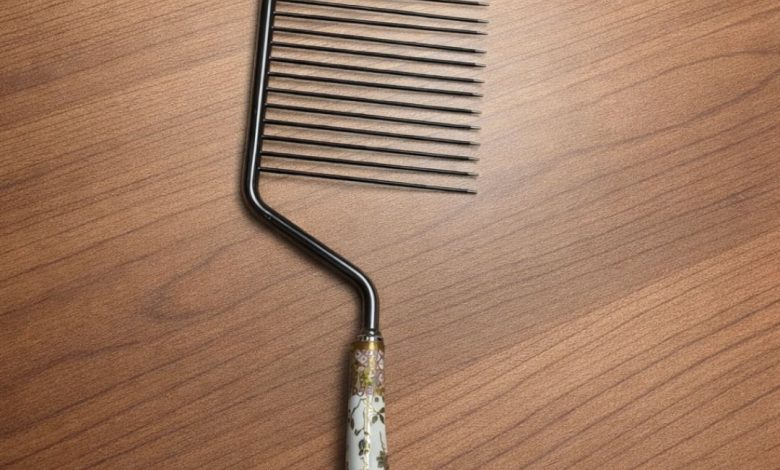
Angel food cake is famously light because it’s made from whipped egg whites, sugar, and flour, with no butter or oil. That airy structure is exactly why it can be easily crushed by a regular knife, turning a beautiful cake into a flattened mess.
The cutter was designed to solve that problem. Instead of a blade, it uses thin, evenly spaced tines that slide into the cake without compressing it. The basic method is simple:
- Insert the tines straight down into the cake
- Then slide the cutter along the tines to produce a clean, neat slice
This design removed guesswork and helped preserve the cake’s delicate “cloud-like” texture.
A Mainstay of Mid-Century American Kitchens
From roughly 1940 to 1970, angel food cake became a familiar favorite at family dinners, picnics, and potlucks. Its lightness made it an ideal dessert after heavier meals, and the specialized cutter fit right into that era’s practical-but-proud kitchen culture.
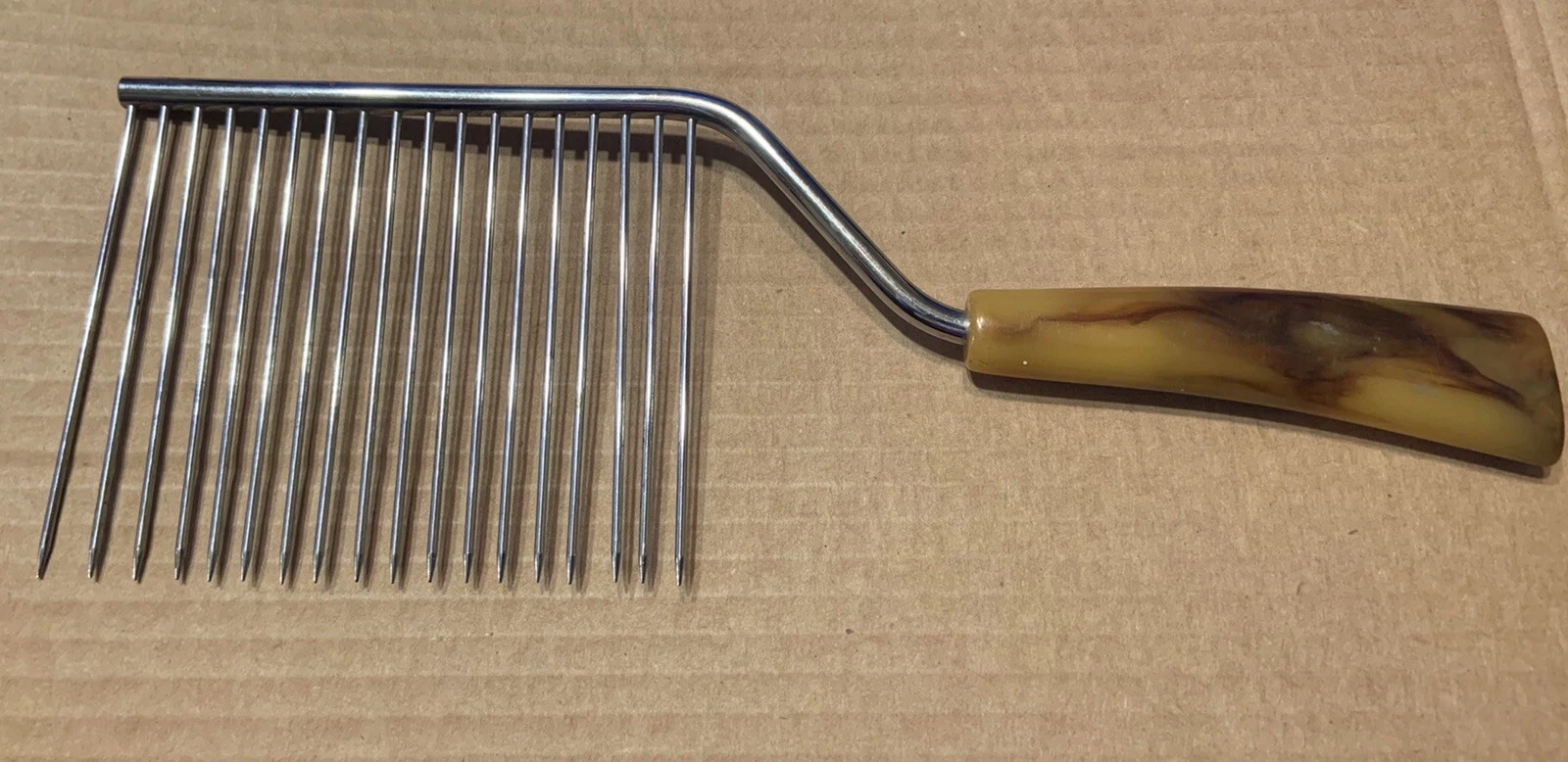
These cutters came in different styles:
- Some featured ceramic or porcelain handles, sometimes decorated with flowers or gold accents
- Others were plain, durable, and utilitarian
No matter the style, the goal was the same: make clean slices without damaging the cake—and show a quiet attention to detail when serving guests.
More Than a Utensil: A Sentimental Keepsake
For many families, the angel food cake cutter wasn’t used every day. It might have come out only two or three times a year, tied to holidays, birthdays, or special visits. Over time, frequent handling could leave signs of wear—like wood handles smoothed down by years of use—turning the tool into something personal and familiar.
To some, it represents a time when people:
- baked with intention
- served others at home
- slowed down to share meals and conversation
Is It Still Useful Today?
Even now, an angel food cake cutter can be practical for other delicate foods, including:
- chiffon cakes
- soft breads
- crumbly desserts
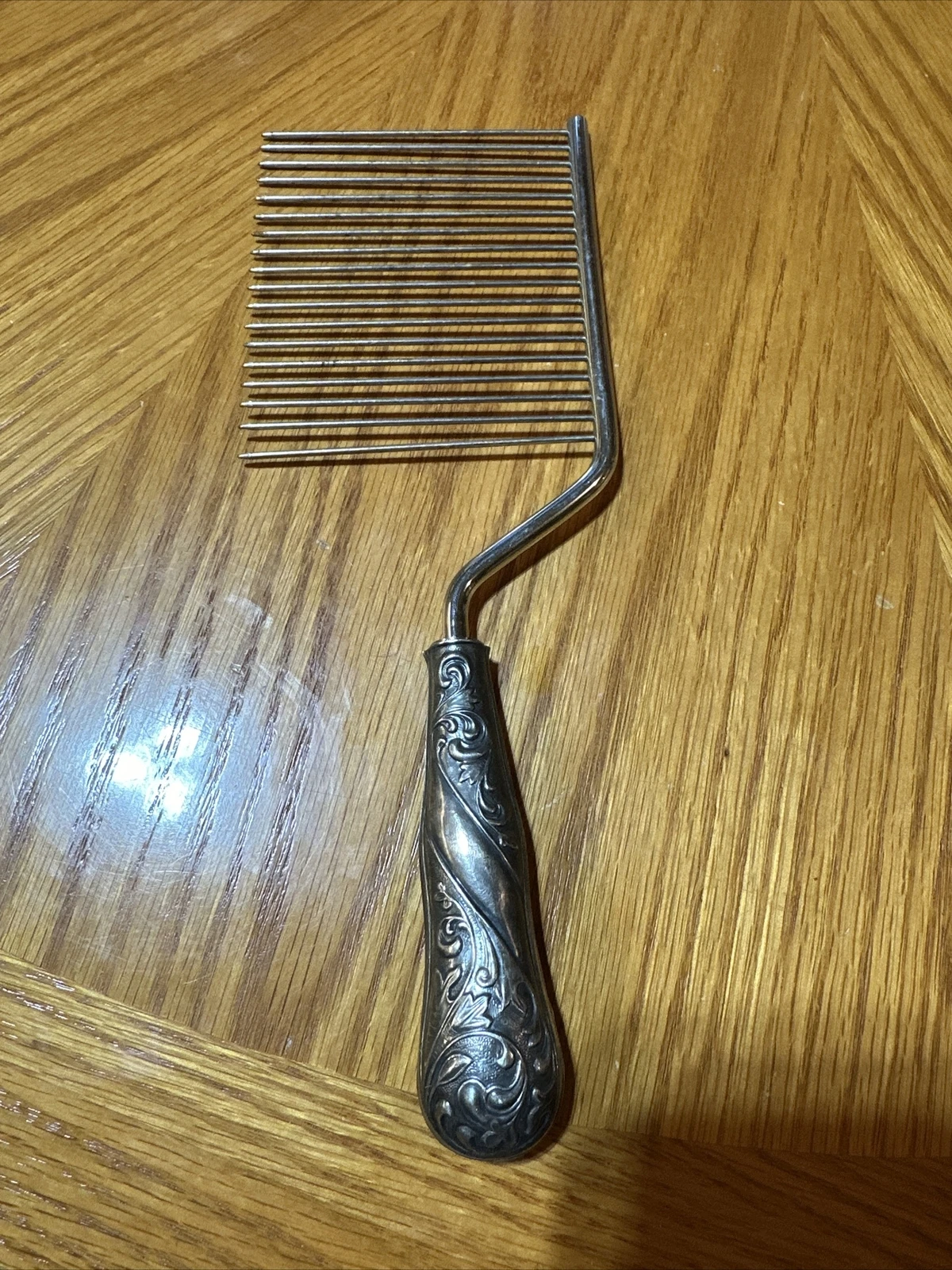
And even if it’s no longer used for baking, many people keep it as a vintage kitchen display piece—a conversation starter that reflects older design solutions made for very specific needs.
Plenty of modern videos show how the cutter works, helping new generations understand why this clever tool existed—and why it earned a place in so many kitchens.