My 5-year-old found this in the kitchen; she was so scared. We’re not sure if it’s something bad.
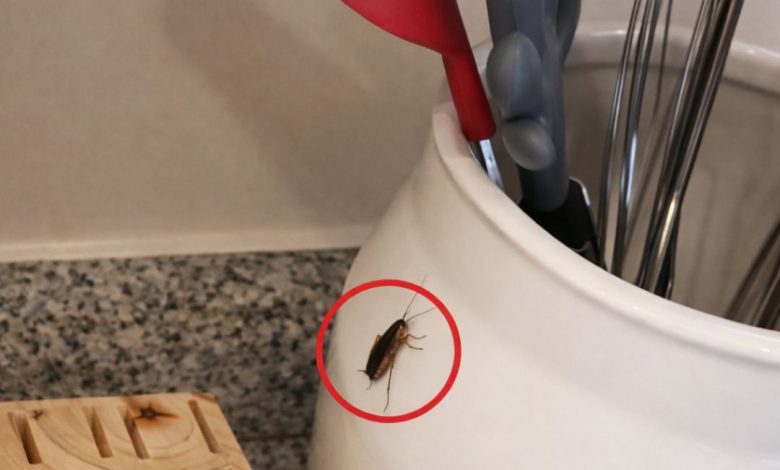
A parent’s concern turned into a stressful moment after their 5-year-old discovered a small brown insect in the kitchen and became frightened. After spotting another similar bug inside a rice bag, the family worried it might be “something bad” or a sign of a bigger problem.
Based on the photo, the insect appears to be a small household cockroach (or a cockroach-like pest)—the kind that often shows up in kitchens and pantries because they’re attracted to food, warmth, and hiding places. While this is understandably alarming, most households can address it quickly with a few targeted steps.
What the Insect Most Likely Is
From the image: a small brown, flattened insect with long antennae—features commonly associated with small cockroaches, such as the German cockroach or a similar indoor roach species.
- Key visual clues: long antennae, slender body, and a typical “roach-like” shape
- Most common kitchen culprits: German cockroaches and other small indoor roaches that prefer pantries, cabinets, and appliances
Is It “Something Bad” or Dangerous?
In most cases, this is not dangerous in the immediate, bite-or-sting sense. The bigger concerns are hygiene and indoor air quality.
- Low immediate danger: They typically don’t bite and aren’t aggressive.
- Main health concern: Allergens from roaches (shed skins, droppings) can aggravate allergies or asthma, especially in kids.
- Food contamination risk: If they’ve been in pantry goods, treat that food as potentially contaminated.
Why One Would Be in the Kitchen—and Another in a Rice Bag
Finding a similar insect in a rice bag can happen for a few reasons:
- Attracted to pantry smells: Rice and grains can draw pests into cupboards and storage areas.
- Entered at home: A roach can slip into cabinets through small gaps and end up near stored food.
- Came in with groceries (less common but possible): The insect may have been inside packaging before it entered your home.
What to Do Right Now (Quick, Practical Steps)
- Seal the rice bag immediately.
- Place it in a sealed plastic bag or container.
- If you see any insects, droppings, or an odd smell, discard the rice.
- Clean the area where it was found.
- Wipe surfaces with hot soapy water or a kitchen-safe cleaner.
- Vacuum crumbs and corners inside the cabinet (then empty the vacuum contents outside).
- Inspect nearby pantry items.
Check rice, flour, pasta, cereal, pet food, and snack bags for:- live insects
- tiny dark specks (possible droppings)
- damaged packaging
- Store all dry goods in airtight containers.
- This prevents pests from getting in and makes future inspections easier.
How to Reduce the Chance of More Showing Up
- Remove food and water sources:
- keep countertops crumb-free
- don’t leave pet food out overnight
- fix small leaks and wipe sink areas dry at night
- Declutter hiding spots:
- reduce cardboard storage in cabinets
- keep pantry shelves organized and open to inspection
- Use targeted monitoring:
- place sticky traps along baseboards and behind/under appliances to see if this is a one-off or ongoing activity
When It’s Time to Call Pest Control
Consider professional help if you notice any of the following:
- You find more than 1–2 in a week
- You see them during the day (often suggests a larger hidden population)
- You spot them near multiple food storage areas
- You find egg cases or frequent droppings
How to Reassure a Scared Child
A calm explanation can help reduce fear fast:
- “It’s just a kitchen bug that got lost looking for food.”
- “We’re cleaning and making sure it can’t come back.”
- Let them help in a safe way: hand you a container, choose a sealed storage bin, or place (adult-handled) traps—small involvement often replaces fear with confidence.
Bottom Line
The insect in the photo looks most consistent with a small indoor cockroach or similar pantry pest. It’s not typically dangerous in the moment, but it is a sign to take food-storage and inspection steps immediately, especially since one was found in a rice bag. With quick sanitation, sealed storage, and simple monitoring, most families can get ahead of the issue—and know whether it’s an isolated incident or something that needs professional treatment.