Many People Of The New Generation Don’t Know What This Is…
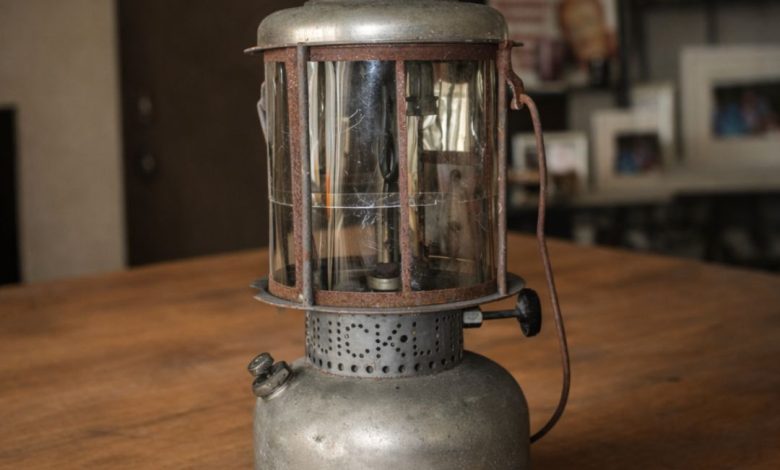
Coleman Quick-Lite (1930s): What You’re Looking At
The item in the photo is commonly described as a Coleman Quick-Lite pressure lamp/lantern from around the 1930s. It’s a fuel-powered, pressurized light designed to produce a bright, steady glow without relying on electricity.
1) Official Name and Common Names
- Name/Line: Coleman “Quick-Lite”
- Common description: Vintage Coleman pressure lamp/lantern (1930s era)
- Why it’s called “Quick-Lite”: The name refers to Coleman’s push for faster, more convenient lighting compared with earlier fuel lamps.
2) When It First Appeared (Origin Timeline)
- The Quick-Lite name is associated with Coleman’s early 20th-century pressure-lighting era.
- Lamps and lanterns sold under the Quick-Lite branding were especially common in the 1920s–1930s, when fuel lighting was still widely used for homes, barns, and outdoor work.
3) Who Created It (Company and Founder)
- Created by: The Coleman Company
- Key figure associated with the brand’s early development: William Coffin Coleman (W.C. Coleman), the entrepreneur behind the company’s growth and early pressure-lighting products.
4) What It Was Used For (Primary Purpose)
The Coleman Quick-Lite was built to provide portable, high-output illumination in places where electric light was unavailable or unreliable.
Typical uses included:
- Home and farm lighting (especially in rural areas)
- Work lighting in barns, workshops, and garages
- Outdoor use (porches, yards, nighttime tasks)
- Backup lighting during power outages (where electricity existed but was inconsistent)
5) How It Works (Simple Explanation)
This style of lamp generally works by:
- Storing liquid fuel in the lower tank (fount)
- Using pressure to push fuel upward through internal tubing
- Heating the fuel so it vaporizes, then burning it to make a mantle glow very brightly inside the glass enclosure
6) Notable Visual Features in the Photo
From the image, you can clearly see classic pressure-lamp parts:
- Metal fuel tank (bottom reservoir)
- Glass light chamber (protects the flame/mantle and helps block wind)
- Ventilated metal top (helps manage heat and airflow)
- Control knob/valve on the side (used to regulate operation)
- Wire carry handle and an older, well-used patina (including visible rust on the frame)
7) Why It Matters (Historical Value)
Coleman pressure lamps like the Quick-Lite represent a major stage in everyday technology—when people needed reliable bright light before electricity became universal. Today, they’re valued as:
- Collectibles (branding, condition, completeness matter)
- Vintage décor pieces
- Examples of early portable-engineering design
Safety Note (General Only)
Because these lamps are fuel-powered and produce heat, they are typically treated as vintage equipment that requires care, proper ventilation, and safe handling—especially if restored or displayed in working condition.