License Plate And Sparks State Investigation
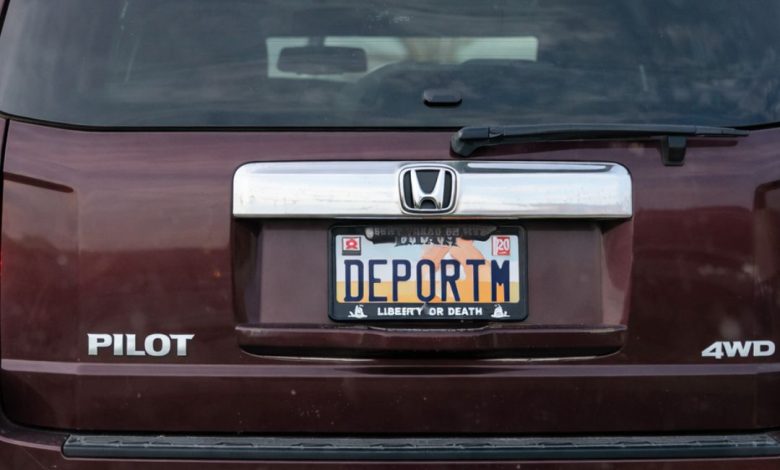
A recent incident in Utah has sparked debate about where free speech ends and public responsibility begins, after a vanity license plate reading “DEPORTM” drew widespread criticism. Many interpreted the message as “Deport Them,” raising concerns about xenophobia, public oversight, and whether state agencies should allow such messages on government-issued materials.
How the Controversy Started
- A teacher, Matt Pacenza, posted a photo of the plate on social media and questioned how it was approved.
- The post quickly went viral, prompting intense public discussion about hate speech, state endorsement, and accountability.
Public Outcry and Community Reaction
Public response was immediate and strong. Critics described the message as:
- Inherently racist or xenophobic in meaning or implication
- A sign of failure in DMV oversight
- A contradiction to values like inclusivity and respect
Community discussions and advocacy reactions expanded the controversy beyond social media, with civil rights groups calling for closer review of how such messages are screened.
What the DMV Confirmed
According to the Utah DMV:
- The plate was approved in 2015.
- Approval happened despite guidelines that reportedly prohibit:
- Derogatory language
- Messages that could promote hate
This fueled questions about how the plate remained in circulation for nearly a decade without being flagged.
Political Response: Rare Bipartisan Condemnation
The incident drew bipartisan criticism from Utah lawmakers, including:
- Republican Sen. Daniel Thatcher
- Democratic Sen. Luz Escamilla
Both publicly denounced the plate and discussed strengthening the review process so messages promoting hate or discrimination cannot appear on state-issued plates.
Investigation and Next Steps
In response to the backlash:
- The Utah Tax Commission launched an internal investigation into how the plate was approved.
- Officials indicated they want to improve screening to prevent similar incidents.
- Observers are watching to see whether reforms will be substantial or limited to this single case.
The Bigger Issue: Free Expression vs. State Endorsement
The controversy highlights a recurring national question: vanity plates sit in a gray zone between:
- Private expression (the driver’s message)
- Government-issued approval (the state produces and authorizes the plate)
Key tension points include:
- First Amendment protections versus a state’s authority to reject harmful or offensive messages
- Whether allowing a message can be seen as normalizing hate
- The need for clear, enforceable policies that consistently prevent discriminatory content
Systemic Concerns in Vanity Plate Approval
The case also points to wider structural problems, as similar controversies have occurred in other states. Advocates argue reforms should include:
- More transparency in how decisions are made
- Consistent standards, not uneven enforcement
- Consideration of community input so harmful implications are caught earlier
Conclusion: A Test of Public Values and Institutional Accountability
The backlash over the “DEPORTM” plate is not only about one message—it has become a broader test of how institutions respond to potentially hateful expression in public spaces. As Utah reviews what went wrong, the outcome could influence how vanity plates are handled moving forward, both in the state and beyond.