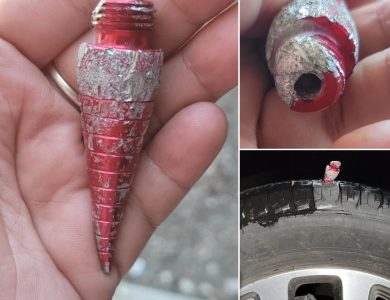
It’s a plastic handle metal triangle thing on top that looks like it might be used to put grooves in something.
What You’re Looking At
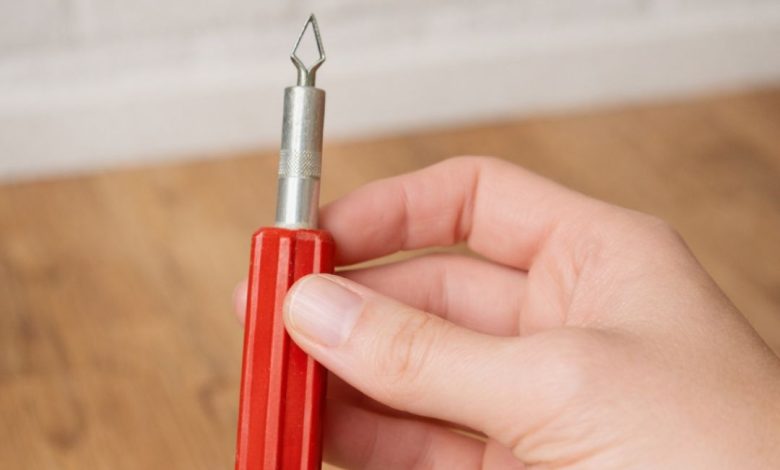
A linoleum cutter (also called a linocut carving tool) is a hand tool used to carve away material to create designs for printing, stamping, and relief artwork. The attached photo shows a tool with a red handle, a metal shaft, and a small V-shaped cutting blade—a common blade style for carving crisp lines.
What It’s Used For
A linoleum cutter is most often used in printmaking and stamp carving, where you remove the parts you don’t want to print, leaving the raised areas to hold ink.
Common uses include:
- Linocut printmaking (carving a design into linoleum, then inking and printing it)
- DIY stamps (for paper, fabric, and craft projects)
- Clay or soft carving (some people use it for shaping or detailing, depending on the blade)
- Detail carving practice (learning line control, spacing, and texture)
Materials You Can Carve (Depending on the Blade and Tool Quality)
The material list varies by tool strength and blade type. In general, a linoleum cutter works best on soft-to-medium carving surfaces.
Typical materials:
- Linoleum blocks (the classic material for linocut)
- Soft rubber carving blocks (popular for stamp-making)
- Foam sheets (for simple crafts)
- Erasers (a common beginner stamp material)
- Soft wood (possible with care; harder woods are much more difficult)
- Clay (leather-hard) (sometimes used for carving lines or details)
Important note: Claims that it cuts metal can be misleading. A standard linoleum cutter is not a metal-cutting tool. Some specialty blades can scratch or scribe soft metals, but for real metal cutting you typically need metalworking tools designed for that purpose.
Key Parts of a Linoleum Cutter
- Handle (red grip): Designed for control and comfort during carving
- Metal ferrule/shaft: Holds the cutting tip steady
- Interchangeable blade tip: Many sets include multiple tips (V-gouge, U-gouge, knife blade)
- V-shaped blade (shown): Best for fine lines, outlines, and sharp corners
Common Blade Types and What They Do
Many linoleum cutters use swap-in tips. The most common are:
- V-gouge: Sharp, thin cuts; outlines, hatching, tight detail
- U-gouge: Rounded channels; clearing larger areas, smoother grooves
- Knife blade: Straight slicing cuts; edges, trimming, sharp points
How It’s Typically Used (Simple Workflow)
- Sketch your design onto the block (or transfer it with tracing paper)
- Carve away the areas you want to stay blank
- Keep the raised areas for the parts that will print
- Apply ink/paint and press onto paper to test
- Refine by carving more until the print looks clean
Practical Tips for Better Results
- Use light pressure and carve in small passes (better control, cleaner lines)
- Rotate the block instead of twisting your wrist for curves
- Start with outlines using a V-gouge, then clear backgrounds with a U-gouge
- Test-print often; small adjustments make a big difference
Safety Basics (Very Important)
Because the blade is sharp, treat it like a small chisel:
- Always carve away from your fingers and palm
- Keep your non-carving hand behind the blade path, not in front
- Use a non-slip mat or a towel underneath the block
- Store blades with a cover or in a case
- If you’re younger, use it with adult supervision and good lighting
Cleaning and Maintenance
- Wipe blades after use to prevent residue buildup
- Keep tips dry to avoid rust
- If the blade feels like it’s tearing instead of cutting, it may be dull—replace or sharpen if the tool supports it
- Tighten any chuck/collet so the blade doesn’t wobble
How to Tell It’s a Linoleum Cutter (Quick ID Checklist)
- Small handheld tool with a comfortable grip
- Interchangeable carving tips or a fixed gouge blade
- Often includes V- and U-shaped cutting profiles
- Used for relief carving rather than drilling or sawing
Bottom Line
A linoleum cutter is a compact, highly controllable carving tool used to make stamps and printmaking blocks. The V-shaped blade in the photo is especially suited for clean line work, making it a staple tool for artists, crafters, and anyone experimenting with handmade printing.