Is It Safe to Put a Toilet Brush in the Dishwasher?
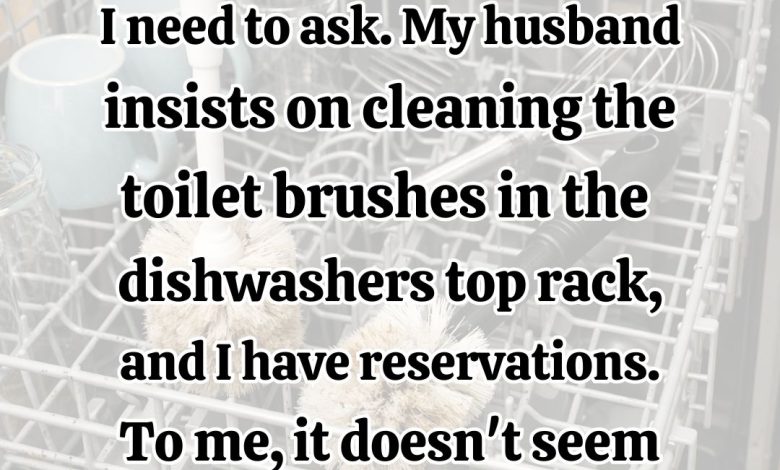
Quick Answer: Generally, it is not recommended to put a toilet brush in a dishwasher that also cleans dishes, baby items, cups, or utensils. The main concern is cross-contamination and the fact that dishwashers are designed for food-related soils, not high-risk bathroom waste.
Why People Consider It
Many people assume the dishwasher is a “high-heat sanitizer,” so it should kill everything. While dishwashers can reduce microbes significantly, “cleaner” does not always equal “safe enough” for items that may carry fecal bacteria.
The Core Issue: Cross-Contamination
A toilet brush can carry high concentrations of microorganisms commonly found in bathrooms, including E. coli, Salmonella, norovirus, and other pathogens. Even if most are killed during a hot cycle, risks remain because:
- Brush bristles trap debris and can shield microbes from heat and detergent.
- Particles can dislodge during washing and spread inside the dishwasher.
- Dishwasher interiors (filters, spray arms, seals) can hold residue if contaminated.
Important: The concern isn’t only whether germs die—it’s whether contaminated material spreads to parts of the dishwasher that later contact plates, cups, and utensils.
When It’s “Less Unsafe” (But Still Not Ideal)
If someone insists on doing it, these conditions reduce risk—but do not eliminate it:
- Use a dedicated dishwasher that never washes eating items.
- Run the hottest cycle with sanitize option if available.
- Wash nothing else in that load.
- Immediately run an empty hot cycle afterward.
- Thoroughly clean the dishwasher filter and interior seals afterward.
Even then, the practical question remains: Why use a food-sanitation appliance for a toilet tool at all?
What To Do Instead (Recommended Options)
1) Disinfect in a Bucket (Simple and Effective)
- Fill a bucket with hot water and disinfectant (bleach solution or an EPA-registered bathroom disinfectant).
- Soak the brush head for the recommended contact time (follow product label directions).
- Rinse well and let it dry completely.
2) Use Bleach the Right Way (If You Choose Bleach)
- Use a properly diluted solution.
- Ensure good ventilation.
- Never mix bleach with ammonia, vinegar, or other cleaners.
3) Replace the Brush More Often
A toilet brush is a low-cost, high-germ item. Replacing it regularly is often safer and easier than “deep cleaning” it.
4) Upgrade to a More Hygienic Design
Consider:
- A brush with a drip-free, ventilated holder
- A silicone brush head (often easier to rinse clean)
- Disposable/refillable head systems
Best Practices to Keep It Cleaner Between Uses
- After using, flush while holding the brush in the bowl to rinse bristles.
- Shake off water and allow the brush to air-dry (drying reduces microbial survival).
- Clean the holder/tray regularly (it often becomes the dirtiest part).
Bottom Line
Putting a toilet brush in the dishwasher is not considered a safe or hygienic practice for most households, especially when the dishwasher is also used for food-contact items. The safer approach is to disinfect it separately or replace it routinely—keeping bathroom tools and kitchen sanitation strictly separated.