Inmate Screams In Pain As State Refuses To Turn Off Defibrillator
What Happened
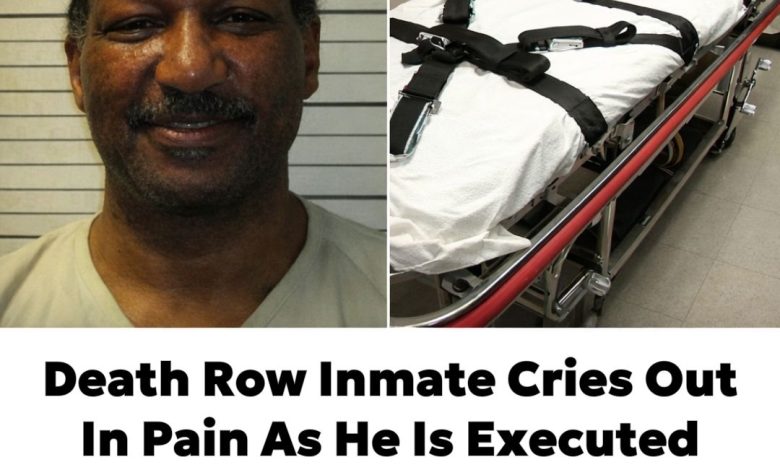
A Tennessee inmate, Byron Black, was executed by lethal injection nearly four decades after he was convicted of murdering Angela Clay (29) and her two daughters, Latoya Clay (9) and Lakeisha Clay (6). During the procedure, witnesses reported that he appeared to be in distress and cried out in pain, saying “Oh, it’s hurting so bad.”
The scene quickly spread online, triggering intense reactions. However, much of the debate centered not only on the suffering shown during the execution, but also on a key legal issue: whether Black’s implanted defibrillator should have been turned off to prevent prolonged suffering.
The 1988 Crime and Convictions
Prosecutors said the murders happened during what they described as a “jealous rage.” Black was convicted in 1988 of shooting:
- Angela Clay, his girlfriend
- Latoya Clay, her 9-year-old daughter
- Lakeisha Clay, her 6-year-old daughter
According to the account, Angela’s family reported that Black had threatened her after she said she was considering ending the relationship. At the time of the murders, Black was on work-release while already serving time for shooting Angela’s estranged husband, Bennie Clay.
Investigators later determined the daughters were shot while sleeping, and that the younger child, Lakeisha, attempted to escape but did not succeed. Bennie Clay later said Black targeted the girls out of spite, adding that they were “babies” who never got the chance to grow up.
How the Execution Unfolded
Before the lethal injection began, Black was restrained on a gurney and fitted with an IV line. When asked if he had last words, he reportedly said “No sir.”
During the injection process, witnesses said he:
- Lifted his head off the gurney several times
- Breathed heavily
- Spoke aloud in apparent distress, including “Oh, it’s hurting so bad.”
A spiritual advisor sat beside him, praying and singing. At one point, the advisor told him: “I’m so sorry. Just listen to my voice.”
Black was pronounced dead at 10:43.
The Defibrillator Dispute and the Legal Fight
A major point of controversy was Black’s implanted defibrillator, a device designed to detect dangerous heart rhythms and deliver shocks to restore a normal heartbeat.
His attorneys argued that if the defibrillator remained active, it could:
- repeatedly shock his heart, potentially prolonging the dying process
- increase suffering in a way they claimed violated the Eighth Amendment, which prohibits cruel and unusual punishment
A trial judge initially agreed with the defense position. But the decision was later overturned by the state’s Supreme Court, which said the trial judge lacked authority to order such a change. The governor, Bill Lee, also indicated he would not grant leniency.
After the execution, attorney Kelley Henry said the client had been “tortured,” describing him as a “gentle, kind, fragile, intellectually disabled man.” The defense had also argued earlier that Black should not be executed due to intellectual disability and serious health problems, including:
- dementia
- being wheelchair-bound
- brain damage
- kidney failure
- congestive heart failure
Victims’ Family Reactions: Relief, Anger, and Forgiveness
Angela’s sister, Linette Bell, said she felt gratitude that the execution happened and emphasized the lack of remorse she believed Black showed:
- “I can’t say I’m sorry, because we never got an apology.”
- She added that he never apologized and never admitted wrongdoing.
Bennie Clay, the girls’ father, said he forgave Black before the execution, explaining his faith-based view:
- “God has a plan for everything,” he said, adding that he believed God needed the girls more.
Why People Online Were Divided
The public reaction was sharply split. Many online commenters argued that Black’s suffering was deserved, posting reactions such as:
- He “finally” felt a fraction of what he caused
- He deserved what happened
- The victims’ family needed closure
- He did not care how the victims felt
At the same time, others focused on the legal and ethical question: whether any execution method should allow preventable suffering, particularly when medical devices could potentially interfere with the process.
What the Case Ultimately Highlights
Beyond the specific details of this execution, the case intensified broader disputes about:
- how lethal injection is carried out
- whether states must minimize suffering even for convicted killers
- how courts handle executions involving severe illness and intellectual disability
- the tension between “closure” and constitutional protections