If you know what this is you might be old.
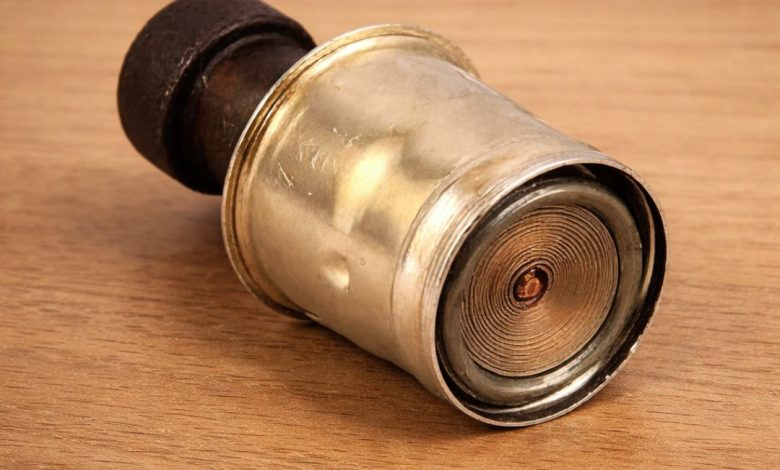
Name and Description
- Common name: Automotive Cigarette Lighter
- Also known as: Car cigarette lighter, Vehicle cigar lighter
- A metal cylindrical device designed to fit into a dashboard socket
- Typically composed of:
- A metal heating barrel
- A spring-loaded internal coil
- A heat-resistant knob or cap at one end
Time of Origin
- First introduced in the early 1920s
- Became widely popular from the 1930s to the 1960s
- Standard equipment in many cars and trucks throughout the mid-20th century
Creator and Development
- The first practical automotive cigarette lighter is credited to Joshua M. Morris
- Initially patented as an electrically heated lighter for vehicles
- Later standardized by automotive manufacturers and parts suppliers
- By the mid-20th century, it became a factory-installed feature in many vehicles
Primary Function
- Designed to light cigarettes and cigars inside vehicles
- Operates by:
- Pushing the lighter into the socket
- Electrically heating the internal coil
- Automatically popping out when hot enough to ignite tobacco
How It Was Used
- Inserted into a dedicated dashboard socket
- Pressed inward to activate the heating element
- Removed once heated and applied to a cigarette or cigar
- After use, returned to the socket to cool
Historical Significance
- Represents an era when smoking was socially common and widely accepted
- One of the earliest examples of electrical convenience features in automobiles
- The lighter socket later evolved into the modern 12-volt power outlet
- Today, original lighters are:
- Collectible automotive accessories
- Commonly found in vintage cars and restoration projects
- A symbol of mid-century automotive culture
Key Highlight
- Although originally intended for smoking, the design of the cigarette lighter directly influenced modern vehicle power sockets still used today.