I remember these!
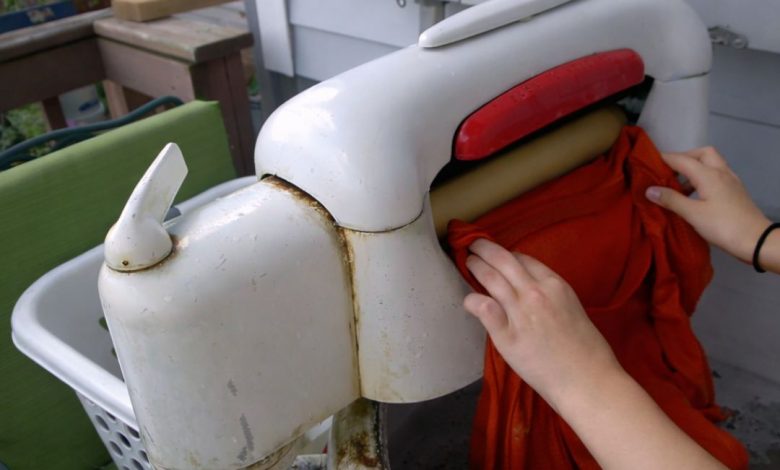
What It’s Called
- Common name: Maytag ringer washing machine (also called a Maytag wringer washer)
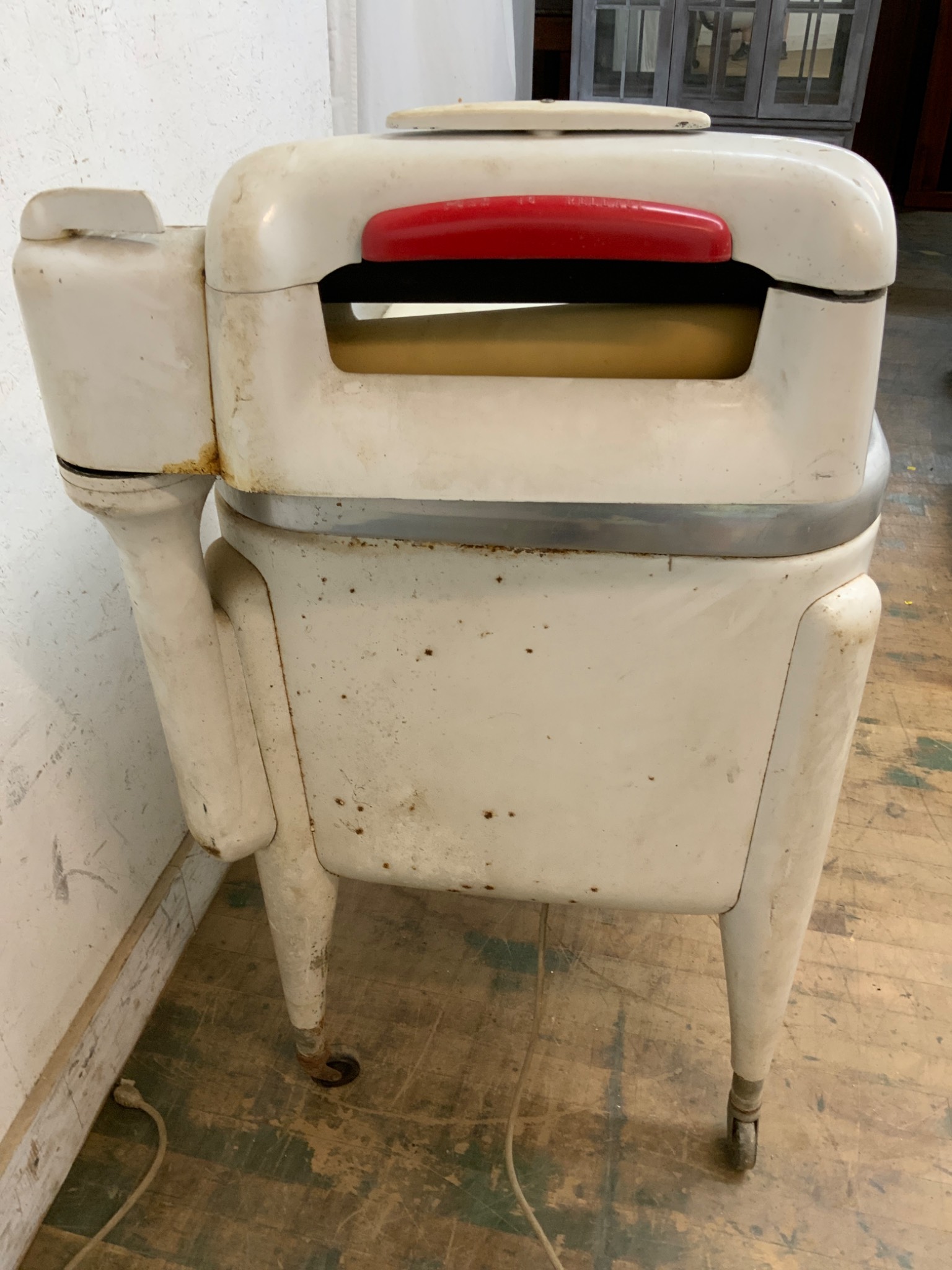
- Identifying details seen in the images: MAYTAG branding on the body and a top-mounted wringer head (the roller unit used to squeeze water out of clothes).
When It First Appeared
- The ringer-washer style became widely used in American homes in the early 1900s and remained popular for decades.
- The specific Maytag unit style shown (enamel body, top wringer assembly, rounded cabinet) is commonly associated with the late 1930s, and is often listed as circa 1938 in vintage/antique descriptions.
Who Created / Made It
- Manufacturer: Maytag Company (an American appliance maker).
- Early development and growth of Maytag washers is closely tied to Frederick Louis (F. L.) Maytag, who led the company as it became best known for washing machines.
What It Was Used For (Main Purpose)
- Primary function: Washing clothing and household linens at home, before fully automatic washers became common.
- Key advantage: It combined agitated washing with a wringer attachment to remove water, reducing drying time.
How the Ringer Washer Worked (Simple Explanation)
- Fill the tub with water (often heated separately on a stove in many homes at the time).
- Add soap/detergent and load clothing into the tub.
- The machine agitates the water to loosen dirt (the motion inside the tub does the scrubbing action).
- After washing, the clothing is fed through the wringer rollers, which press out water by squeezing fabric between two rollers.
- Clothes then go into a rinse tub or back into the washer for rinsing, and may be wrung again.
Key Features Notable in These Machines
- Wringer head (roller unit): Squeezes water out of fabric efficiently.
- Enamel-coated body/tub: Designed to resist rust and handle frequent water exposure.
- Sturdy legs/casters: Built to support heavy loads of water and laundry; some versions were easier to roll.
- Drain hose/pump setup: Helped move used wash water out of the tub.
Why It Mattered Historically
- It represented a major step forward from hand-washing by:
- Cutting washing time dramatically
- Reducing the physical labor of wringing clothes by hand
- Allowing households to wash heavier items (work clothes, bedding) more routinely
- For many families, a Maytag ringer washer was considered a serious long-term investment because it was built for durability.
Collector and Restoration Notes (Practical Points)
- Value and collectability often depend on:
- Completeness (wringer present, original parts intact)
- Condition (enamel quality, corrosion level, mechanical function)
- Model tag/serial plate (usually confirms the exact year and model)
- Typical restoration focuses on:
- Cleaning and preserving the enamel finish
- Checking the wringer rollers (cracking/hardening can happen with age)
- Inspecting wiring/motor components if operation is attempted
In One Line
- This is a vintage Maytag ringer washing machine, a pre-automatic washer design widely used in the early-to-mid 20th century, with many examples like the one shown commonly dated around the late 1930s (often cited as 1938), built to wash clothes and wring out water using a powered tub plus squeeze rollers.