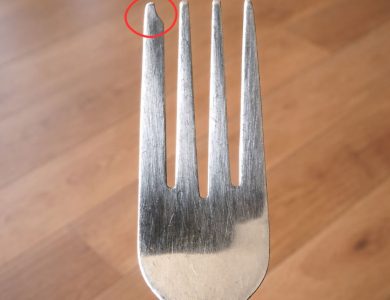
Found this tool, 8-10 inches in length, iron or steel end, overall height is 3 or so feet.
What You’re Looking At
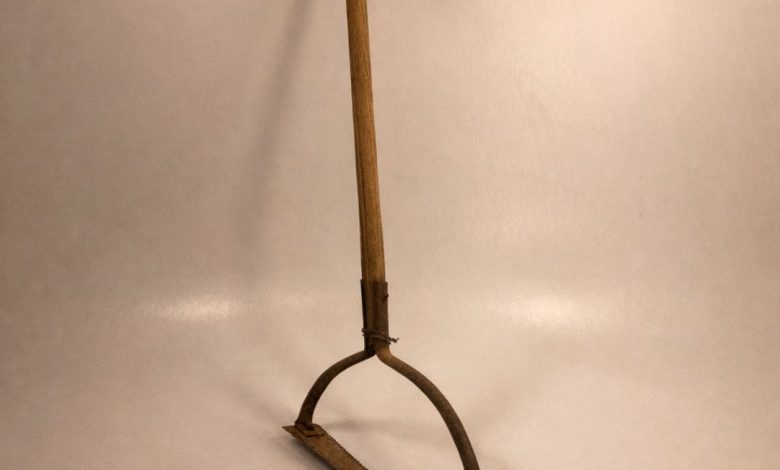
This tool is a manual weed and grass trimmer built around a long wooden handle, a U-shaped metal yoke, and a straight serrated cutting bar at the bottom. In many rural areas it was used as a ground-level cutter—a simple, human-powered alternative to modern string trimmers.
Common Names (Depending on Region)
People often describe this style of tool using informal or regional names, including:
- “Sling blade” (a broad, catch-all term in parts of the U.S. for brush/grass cutting tools)
- Weed cutter / grass cutter
- Brush cutter (manual)
- Sickle-style weed trimmer
- Ditch-bank cutter
- “Sickle wacker” (a slangy nickname some sellers use)
Because many were shop-made or locally repaired, the exact name can vary more than the design.
When It First Appeared (Time Period)
Tools for cutting grass and brush by hand are ancient, but this long-handled, yoke-mounted, serrated bar style is most commonly associated with the period when farms and homesteads needed faster clearing before small gas engines became widespread.
- Most examples like this are typically dated to the late 1800s through the mid-1900s.
- The design fits an era when repurposed steel (especially old saw steel) and simple forged hardware made durable cutting tools cheap to build and easy to repair.
What It Was Used For (Primary Purpose)
This tool’s job was straightforward: cut vegetation close to the ground without needing a powered machine. Typical uses included:
- Clearing weeds along fences, barns, and outbuildings
- Trimming tall grass around trees, posts, and hard-to-mow spots
- Cleaning ditch edges and field borders where mowers couldn’t reach
- Knocking down light brush and stems (depending on thickness and sharpness)
How It Worked (In Plain English)
- The user holds the long handle and positions the serrated bar at the base of weeds/grass.
- The cutter is moved with a pulling or sweeping motion so the serrations bite and slice through stems.
- The wide yoke helps keep the cutting bar stable and close to level with the ground.
Why This Design Made Sense
- No fuel, no motor, no cords: pure muscle power.
- Good leverage from the long handle, reducing constant bending.
- A serrated edge can stay effective even when not razor-sharp, especially on fibrous weeds.
- Field-repair friendly: wire wraps, simple clamps, and basic hardware could keep it working for years.
What the Materials Tell You
From the photos:
- The handle is aged hardwood, typical of durable farm tools.
- The metal shows heavy surface rust and patina, consistent with long-term storage or outdoor use.
- The wire wrap near the joint suggests a practical repair—common on working tools that were kept in service rather than replaced.
Modern Equivalent
Today, the closest equivalents are:
- String trimmers (weed eaters) for speed and convenience
- Brush cutters for heavier growth
- Sickles/scythes for traditional hand-cutting
This vintage tool sits in between: faster than a small hand sickle, simpler than powered equipment.
Collector and Display Value
Even when no longer used for yard work, these tools are popular as:
- Rustic décor (farmhouse, workshop, garden wall)
- Theater/film props (period rural settings)
- Tool collections highlighting pre-engineering lawn and field maintenance
Key Takeaway
This is best described as a vintage manual weed/grass cutter, often loosely called a sling blade, designed for clearing weeds and tall grass at ground level and most commonly seen from the late 19th century to mid-20th century, before modern powered trimmers became standard.