Debate Grows Over Retiring Aunt Jemima: Accountability or Historical Deletion?
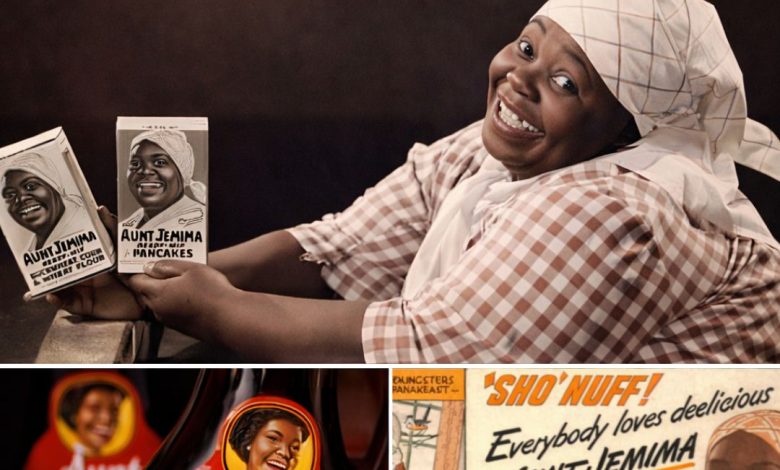
Quaker Oats drew national attention when it announced plans to retire its long-running “Aunt Jemima” brand amid wider conversations about racial justice that intensified during the Black Lives Matter movement. While many viewed the move as overdue, others—including a man who says his family is directly tied to the brand’s history—argued it would erase Black history rather than confront it.
A Great-Grandson Speaks Out: “This Is Part of My History”
Just one day after the announcement, Larnell Evans Sr., a Marine Corps veteran who says he is a great-grandson of one of the women associated with the “Aunt Jemima” image, publicly objected to the decision.
Evans argued that the company benefited for decades from a racialized image and is now attempting to walk away from that legacy without acknowledging the harm or the people behind the brand.
Key points from Evans’ protest included:
- He called the decision “an injustice” to his family.
- He said removing the brand would erase his great-grandmother’s story rather than preserve it.
- He accused the company of profiting from imagery tied to slavery and then discarding it when it became controversial.

Who Was “Aunt Jemima”? The Brand’s Origin Story
Quaker Oats confirmed it would retire the brand permanently. The article states that the logo has been connected to Nancy Green, described as a formerly enslaved Black woman.
According to the account provided:
- 1893: Nancy Green was hired to serve pancakes at the Chicago World’s Fair, which is described as the first time the “Aunt Jemima” brand name was used.
- Quaker reportedly described Green as a “storyteller, cook, and missionary worker,” while critics noted the company did not emphasize that she was born into slavery.
- 1923: Green died.
- 1935: Anna Short Harrington—whom Evans claims was his great-grandmother—was said to have taken on the role after a Quaker representative saw her serving pancakes at the New York State Fair.
“She Worked for Them for 20 Years”
Evans stated that Harrington worked as “Aunt Jemima” for roughly two decades, traveling across the United States and Canada promoting the product by making pancakes at events.
He described this work as:
- A real job held by a real Black woman after slavery
- A piece of family identity that he believes is being removed from public memory
The Central Debate: Removing a Stereotype vs. Erasing History
The controversy reflects a larger question: when companies retire racially charged branding, does it represent accountability—or a way to avoid deeper responsibility?
Evans’ main concerns, as presented in the article, were:
- Profit without repair: He questioned how much money corporations made using characters like Aunt Jemima while Black families connected to the brand’s labor and portrayal received little or nothing.
- Convenient distancing: He argued the company is discarding the brand only because it is now socially costly.
- Historical memory: He believes the brand’s retirement risks simplifying the past instead of confronting the truth about stereotypes, exploitation, and how those images entered mainstream American life.