Cauliflower vs. Broccoli: Which Cruciferous Vegetable Wins for Your Health?
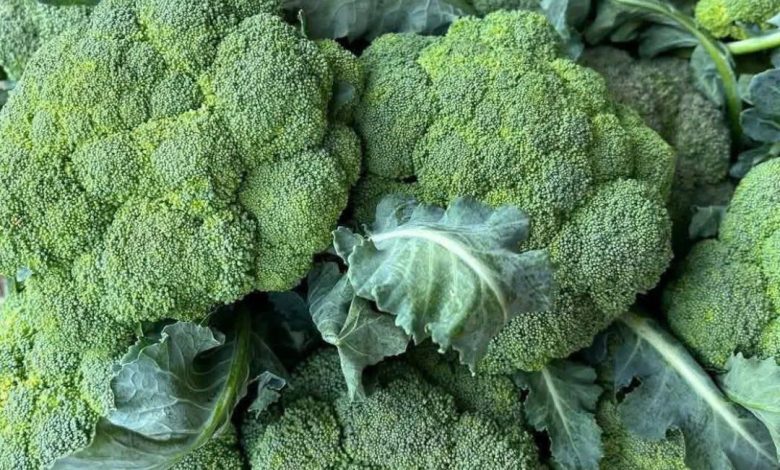
Cauliflower and broccoli look different, but they share the same roots. Both are cruciferous vegetables from the Brassica oleracea species, and both trace their origins back to Europe’s Mediterranean region. They also share something else: they’re nutrient-dense, low-calorie, and strongly linked to better long-term health when eaten regularly.
So when it comes to the health “winner,” which one deserves the top spot?
Why These Two Vegetables Matter
Nutrition experts often encourage people to eat cruciferous vegetables consistently. A practical target is about five cups per week, with broccoli and cauliflower being two of the easiest options to add to meals.
They offer:
- Fiber for digestion and fullness
- Antioxidants and phytonutrients that support the body’s defense systems
- Vitamins and minerals that contribute to immunity, heart health, and bone strength
Nutrition Face-Off: Broccoli vs. Cauliflower (Cooked, Per Cup)
1) Vitamins: Broccoli Leads by a Wide Margin
Both contain vitamins A, C, and K, but broccoli provides substantially more.
Key examples per cooked cup:
- Vitamin A: broccoli 2,280.7 IU vs cauliflower 21.08 IU
- Vitamin C: broccoli 123.4 mg vs cauliflower 54.93 mg
- Vitamin K: broccoli 155.2 mcg vs cauliflower 11.17 mcg
Broccoli also tends to provide more of several other vitamins, including vitamin E and multiple B vitamins such as folate (B9), B6, B5, B3, and B2.
2) Protein: Broccoli Packs More
Protein supports muscles, bones, skin, blood, immunity, and brain function.
Per cooked cup:
- Broccoli: 4.7 g protein
- Cauliflower: 2.28 g protein
3) Calories: Cauliflower Has the Advantage
If your priority is keeping calories low, cauliflower edges ahead:
- Broccoli: 44 calories per cooked cup
- Cauliflower: 29 calories per cooked cup
Both are naturally low in fat and can fit easily into weight-management meals.
4) Fiber: Broccoli Slightly Higher
Fiber supports digestion and helps you stay satisfied.
- Broccoli: 4.7 g fiber
- Cauliflower: 3.35 g fiber
5) Minerals: Broccoli Is More Mineral-Dense
Both vegetables contribute important minerals, but broccoli generally provides higher amounts, including:
- Calcium: broccoli 74.7 mg vs cauliflower 19.85 mg
- Iron: broccoli 1.4 mg vs cauliflower 0.41 mg
- Magnesium: broccoli 39.0 mg vs cauliflower 11.16 mg
Broccoli also comes out ahead for potassium, phosphorus, zinc, and manganese.
Health Benefits: What Broccoli Is Known For
Broccoli is often called a nutritional powerhouse because it contains unique plant compounds, including sulfur-containing compounds that support the body’s detox and defense pathways.
Potential benefits often linked to broccoli include:
- Compounds associated with anti-cancer support
- Broccoli contains sinigrin and produces protective phytonutrients such as isothiocyanates
- It also contains glucoraphanin, which can convert into sulforaphane in the body
- Broccoli contains indole-3-carbinol, a compound studied for its role in cellular processes
- Heart-supportive nutrition
- Broccoli provides fiber, potassium, magnesium, folate, and multiple vitamins
- Soluble fiber is especially important because it can support healthier cholesterol levels
- Stomach and gut support
- Sulforaphane (especially in broccoli sprouts) has been studied for its relationship to controlling H. pylori, a bacterium linked with stomach issues
- Eye health support
- Broccoli contains lutein and zeaxanthin, antioxidants connected to visual health
- Bone health and weight support
- Broccoli contributes vitamin K, calcium, magnesium, and fiber, all important for maintaining strength and healthy body composition
How does the nutrition value compare per cooked cup of cauliflower vs broccoli?
| Nutrients | Broccoli | Cauliflower |
|---|---|---|
| Weight per cooked cup | 156 g | 124 g |
| Calories | 44 | 29 |
| Protein | 4.7g | 2.28 g |
| Fiber | 4.7g | 3.35 g |
| Vitamin A | 2,280.7 IU | 21.08 IU |
| Vitamin C | 123.4 mg | 54.93 mg |
| Vitamin E | 0.8 mg | 0.10 mg |
| Vitamin K | 155.2 mcg | 11.17 mcg |
| Folate (vitamin B9) | 93.9 mcg | 54.56 mcg |
| Pyridoxine (vitamin B6) | 0.22 mg | 0.21 mg |
| Pantothenic Acid (vitamin B5) | 0.8 mg | 0.6 mg |
| Niacin (vitamin B3) | 0.9 mg | 0.5 mg |
| Riboflavin (vitamin B2) | 0.2 mg | 0.1 mg |
| Calcium | 74.7 mg | 19.85 mg |
| Iron | 1.4 mg | 0.41 mg |
| Magnesium | 39.0 mg | 11.16 mg |
| Manganese | 0.3 mg | 0.17 mg |
| Potassium | 505.4 mg | 176.08 mg |
| Phosphorus | 102.8 mg | 39.68 mg |
| Zinc | 0.6 mg | 0.22 mg |
Health Benefits: Why Cauliflower Still Deserves Space on Your Plate
Cauliflower may have fewer vitamins than broccoli, but it remains a strong choice—especially if you want a versatile ingredient that fits many diets.
Potential benefits often linked to cauliflower include:
- Protective plant compounds
- Like broccoli, cauliflower contains glucosinolates and thiocyanates, and it can provide sulforaphane
- These compounds are often discussed in relation to the body’s ability to handle and eliminate unwanted substances
- Heart-supportive nutrients
- Cauliflower provides folate and vitamin B6, important for metabolic pathways tied to cardiovascular wellness
- It also contains alpha-linolenic acid (ALA), an omega-3 fatty acid
- Additional support nutrients include vitamin C, potassium, magnesium, and vitamin B3
- Digestion and anti-inflammatory support
- Cauliflower supplies fiber and includes compounds often studied for their role in inflammation balance and digestive comfort
- It is also discussed in relation to supporting the stomach lining and discouraging H. pylori overgrowth
Best Ways to Eat Them (Without Ruining the Nutrition)
Broccoli: Keep It Bright and Lightly Cooked
- Best simple method: light steaming
- Broccoli can be eaten raw, but if cooking, avoid overcooking to preserve texture and quality.
Easy ideas:
- Chopped broccoli salad (with avocado, tomatoes, olives, olive oil, lemon)
- Cream of broccoli soup (blend cooked vegetables; finish with a creamy base)
- Tamari broccoli (quick sauté with tamari, topped with sunflower seeds)
- Vegan “mac and cheese” with broccoli (pasta + broccoli + blended cashew sauce)
- Oven-roasted broccoli (olive oil + salt, roasted until lightly browned)
Cauliflower: The Ultimate Healthy Swap Ingredient
- Best simple method: light steaming
- A standout use is cauliflower as a substitute for higher-calorie comfort foods.
Simple cauliflower mash method:
- Steam cauliflower and garlic until tender (about 15 minutes).
- Blend with salt and herbs until smooth and creamy.
Final Verdict: Which One Is Better?
If “better” means more nutrients per bite, then broccoli is the clear winner. It outperforms cauliflower in major categories, especially:
- Protein
- Fiber
- Vitamins A, C, and K
- Calcium, iron, and magnesium
- Several additional minerals (like potassium and zinc)
Cauliflower’s main advantage is simple and meaningful:
- Fewer calories, while still offering fiber and beneficial plant compounds
Bottom line: You can’t go wrong with either one, but if you want the most nutrient-dense option, choose broccoli more often—and keep cauliflower in rotation for variety and low-calorie meal swaps.
Any Downsides to Know About?
Most people tolerate both well, but common issues include:
- Gas or bowel irritation, especially if you suddenly increase intake
One important caution:
- Broccoli is high in vitamin K, which can interfere with blood-thinning medications in some cases.
Practical tip:
- Both are generally considered to have low pesticide levels, but it’s still wise to wash thoroughly and choose organic when possible.