News
-

Michelle Obama Breaks Silence on Rob and Michele Reiner Tragedy: “We Were Supposed to See Them”
Former First Lady Michelle Obama has spoken publicly about the shock of losing longtime friends Rob Reiner and Michele Singer Reiner, revealing that she and Barack Obama were scheduled to see the couple the very night they were found dead. What Michelle Obama Revealed on Late Night TV During an appearance on “Jimmy Kimmel Live!” on Monday, December 15, 2025,…
Read More » -

Can You Guess Who He Is? The TV Legend Behind MacGyver and Stargate SG-1 Revealed
A newly shared rare candid photo is prompting fans to take a second look—and then a moment to celebrate—Richard Dean Anderson, the longtime television star whose work helped define two enduring pop-culture pillars: MacGyver and Stargate SG-1. While the image itself is presented as a “guess who” moment, the bigger story is how quickly audiences recognize the same qualities that…
Read More » -

Hot mic catches Donald Trump making concerning two-word comment
A brief, off-guard moment involving President Donald Trump is making waves after a live microphone picked up a short exchange as he exited a government roundtable focused on trade pressures facing U.S. farmers. What happened at the roundtable During a meeting attended by senior economic and agriculture officials and representatives from farming and related industries, Trump discussed an aid package…
Read More » -
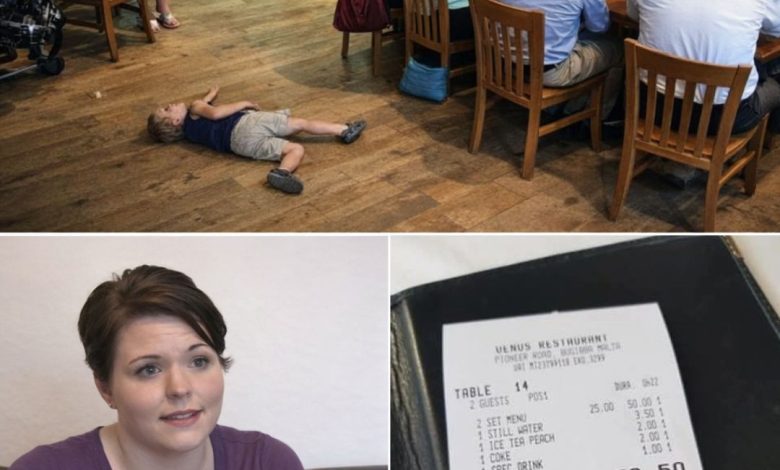
Couple Claims Restaurant Added “Bad Parenting” Fee to Bill: What Happened
A dispute over a restaurant bill has reignited a long-running debate about kids in dining rooms, etiquette, and where businesses draw the line. The situation centers on a North Georgia restaurant accused of adding an extra charge—widely described online as a $50 “poor parenting” or “bad parenting” fee—after a family meal. What the couple claims happened According to multiple accounts…
Read More » -
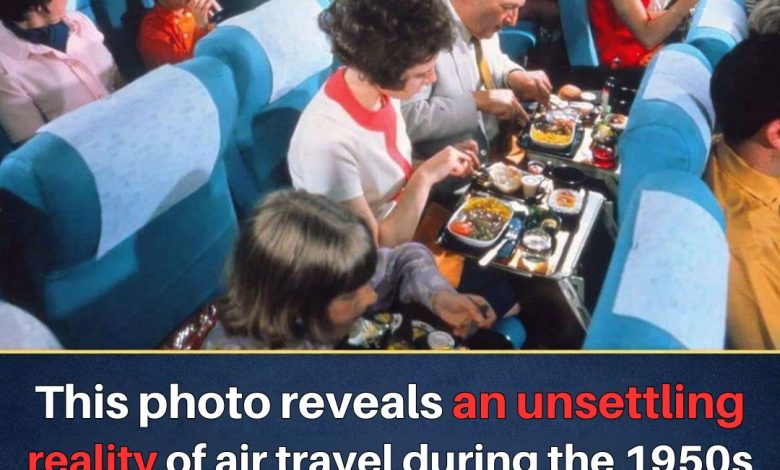
What your typical day was like during ‘the Golden Age’ of commercial flying
In the decades after World War II, commercial aviation entered what many historians call the “Golden Age” of flying, a period that ran roughly from the late 1940s through the 1970s. For travelers who could afford it, flying was not just transportation. It was a status symbol, a social occasion, and a carefully staged experience designed to feel exclusive. Flying…
Read More » -
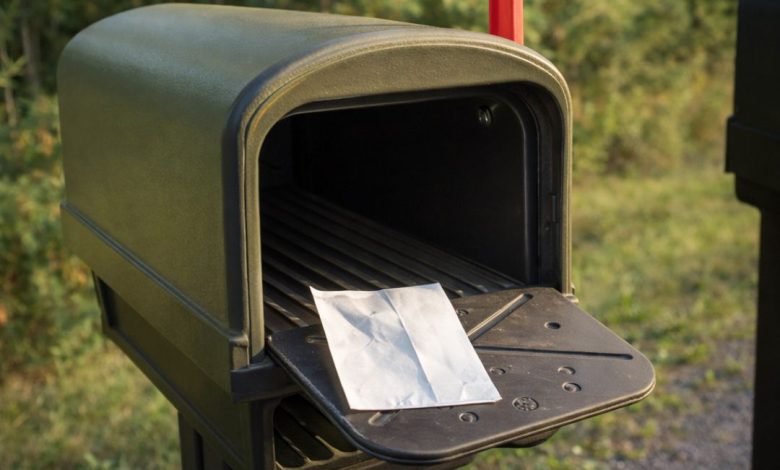
Found a Dryer Sheet in Your Mailbox? Here’s the Real Reason
If you open your mailbox and spot a dryer sheet tucked in the back, it can feel random—or even suspicious. In most cases, though, it’s not a prank and it’s not trash someone forgot to throw away. It’s often a simple safety trick used to discourage wasps (especially yellow jackets) from nesting inside the box, helping protect the person who…
Read More » -
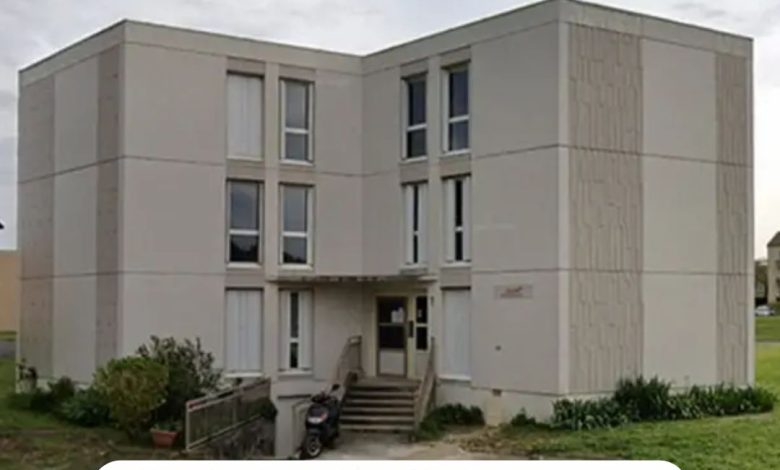
9-Year-Old Boy Survived Alone for Nearly Two Years: The Shocking Story
In most homes, parents provide safety, routine, and care. But in one heartbreaking case from southwest France, a child was forced to grow up far too quickly after being left behind by the person meant to protect him. For almost two years, a nine-year-old boy lived on his own in an apartment after his mother moved away and abandoned him.…
Read More » -
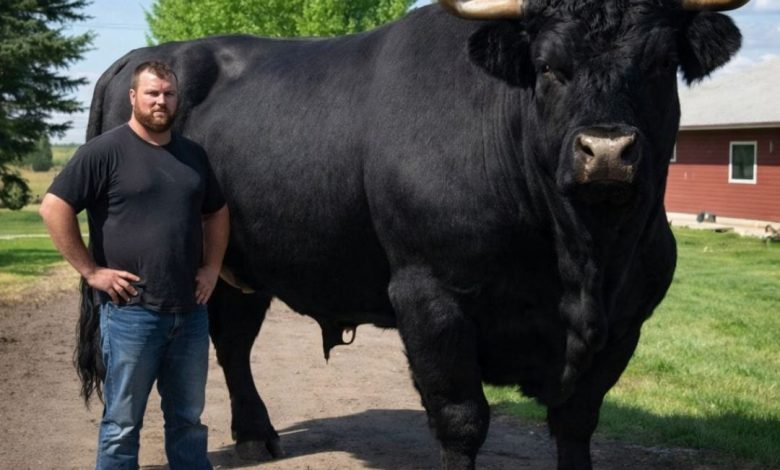
New Bull on the Farm: How Patience Turned Worry Into Confidence
Earlier this year, a small-farm owner made what felt like a major, long-term investment: a registered Black Angus bull intended to strengthen the herd for years ahead. The purchase came with high expectations—especially around temperament, leadership within the herd, and the kind of presence many farmers associate with a breeding bull. But once the bull arrived, reality looked very different.…
Read More » -

White Couple Welcomes a Baby With Darker Skin, Sparking Viral Debate
A routine social media congratulations post turned into a heated online debate after a white couple welcomed a baby whose appearance led many strangers to assume something must be wrong. What should have been a simple celebration quickly became a reminder of how misunderstandings about genetics—and snap judgments online—can fuel hurtful accusations. What Happened A young mother in Tennessee gave…
Read More » -
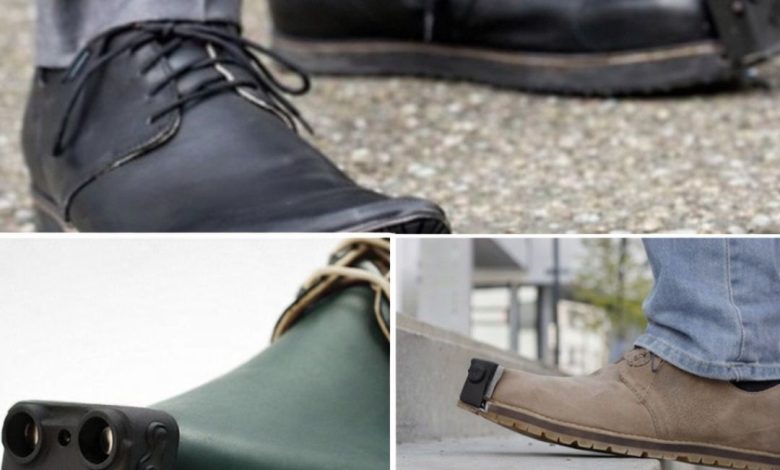
Smart Shoes That Detect Obstacles: Safer Walking for the Visually Impaired
For many people who are blind or living with serious vision loss, everyday movement can involve constant risk. Curbs, street furniture, unexpected objects in a walkway, and low-visibility hazards can quickly turn a routine trip into a stressful experience. A new piece of assistive technology aims to reduce that burden by moving obstacle detection from the hand to the feet:…
Read More »