News
-
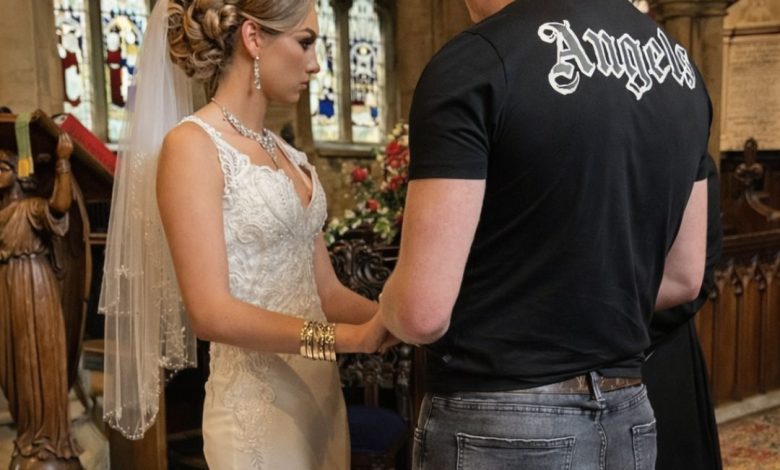
Groom Arrives at His Wedding in Jeans and a T-Shirt, and the Internet Can’t Agree on What It Means
A wedding day is often seen as a once-in-a-lifetime milestone—one that many couples plan for months (or even years) and invest significant money and emotion into. But a recent viral moment shows how quickly one unexpected detail can shift the entire conversation online: a groom showing up to his own wedding wearing jeans and a black T-shirt. The Viral Moment…
Read More » -
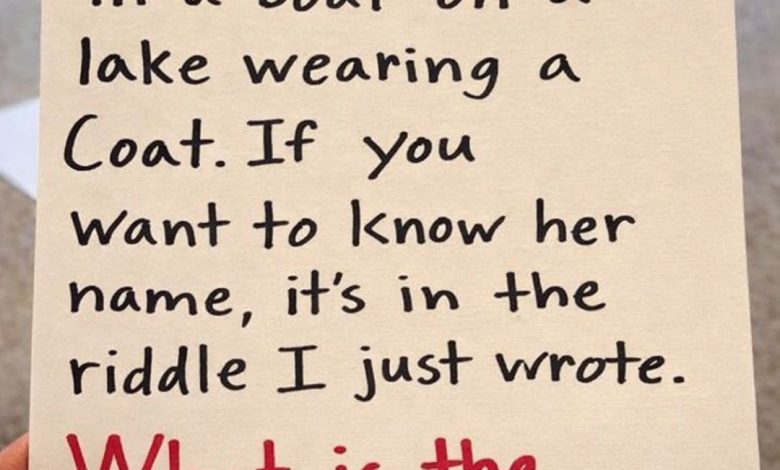
The “Woman in a Boat” Riddle Is Going Viral Again – Here’s the Simple Trick Behind It
A popular brain teaser shows a handwritten note that says: “There’s a woman in a boat on a lake wearing a coat. If you want to know her name, it’s in the riddle I just wrote. What is the woman’s name?” At first, many people start searching for clues about the boat, the lake, or the coat—but the trick is…
Read More » -
Born Extremely Small: The Remarkable Journey of a 1kg Baby Girl Named Kenadie
When a baby girl arrived weighing barely one kilogram (about 2.2 pounds), many people feared she would not survive. Doctors reportedly believed she might not live beyond her first day, and her fragile start to life led to a tender nickname: “Thumbelina.” But what followed was a story that surprised nearly everyone involved. Despite a grim prognosis, the child not…
Read More » -
Emma Heming Willis Shares an Emotional Holiday Update as Bruce Willis’ Condition Reshapes Family Traditions
As Christmas approached, Emma Heming Willis offered a deeply personal look at how her family is coping with Bruce Willis’ ongoing health challenges, explaining that the holiday season now carries a different weight—one filled with love, adjustment, and an unavoidable sense of grief. Bruce Willis, one of Hollywood’s most recognizable stars, has largely stayed out of the public eye since…
Read More » -
Pioneering gay Rep. Barney Frank made bombshell claim about Donald Trump on his deathbed
Donald Trump, Barney Frank. Credit: Getty Images Barney Frank, the Congressman from Massachusetts who made history by becoming the first openly gay member of Congress, has died at 86. Before he died, he shared his one last regret, and it involved President Donald Trump. Barney Frank’s sister confirmed to NBC Boston that he passed away on Wednesday. Frank, who represented southern Massachusetts…
Read More » -
Tom Cruise Sparks Fresh Romance Buzz After Being Spotted With a “New” Companion
Hollywood superstar Tom Cruise is once again at the center of relationship speculation after reports claimed he was recently seen spending the evening with Elsina Khayrova, 36, at a social event in Mayfair, London—a sighting that quickly set off a wave of fan chatter about a possible new romance. Why This Is Fueling So Much Talk Cruise’s private life has…
Read More » -
Before becoming famous, this iconic Hollywood star was unrecognizable in his yearbook. Can you guess who he is?
Imagine a shy adolescent in 1963, hidden away in the car club, looking through glasses at a prep school yearbook. There was no “Gekko” present, only Kirk Douglas, the titan’s son, with a “genetic blueprint” that felt more like a burden than a blessing. Looking at Michael Douglas in 2026, we see a guy who not only inherited a kingdom…
Read More » -
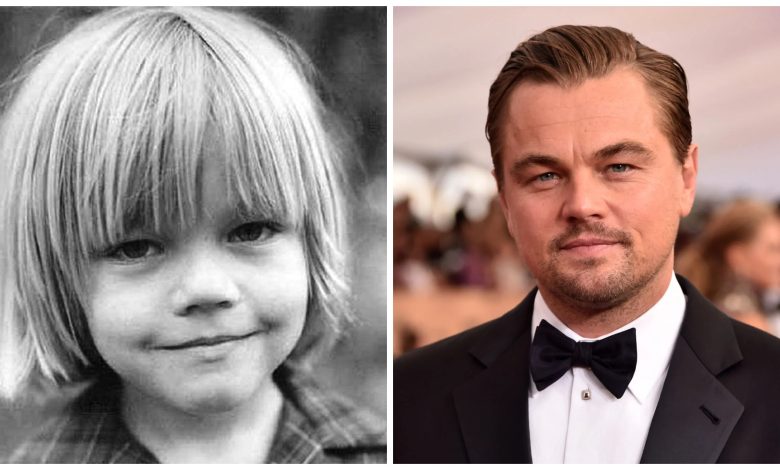
From “Cheeky Blonde Kid” to Hollywood Legend: How Leonardo DiCaprio’s Early Rejections Shaped a Global Icon
Leonardo DiCaprio is often seen today as one of the most influential faces in modern cinema, but the story shared in a recent feature paints a different starting point: a lively, messy-blond kid growing up in a tough Los Angeles neighborhood, surrounded by daily signs of chaos—noise, graffiti, and crime—yet standing out for his personality and magnetism. Teachers reportedly described…
Read More » -

Why You Should Stop Backing Into Parking Spaces (And What to Do Instead)
Backing into a parking space is often defended as “safer” because it can make pulling out easier later. But in real-world parking lots—crowded lanes, impatient drivers, pedestrians crossing unpredictably—reverse parking can quickly become a high-risk, high-frustration maneuver that creates problems for everyone nearby. The core issue is simple: many drivers misjudge space, timing, and cross-traffic when reversing, especially in tight…
Read More » -

Social Media Influencer Sparks Backlash After Saying She’s “Too Pretty” to Work
A short TikTok clip from lifestyle influencer Lucy Welcher ignited a major online debate after she suggested she was “too pretty” to work, prompting viewers to accuse her of being entitled and out of touch. The Influencer at the Center of the Controversy Lucy Welcher is known online for posting content that highlights a glamorous, “lavish” lifestyle. That curated image…
Read More »