Are Visible Veins a Sign of Good Health or a Problem?
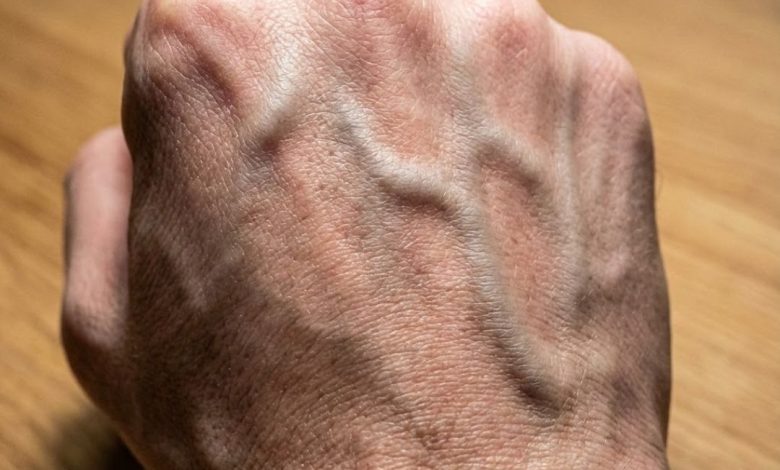
Have you ever looked down at your hands, arms, or legs and noticed your veins suddenly appearing more prominent—almost like they showed up overnight? Sometimes it’s harmless and temporary. Other times, new or worsening visible veins can be a clue that your circulation needs attention.
Visible veins are often treated as a cosmetic concern, but in some situations they may reflect changes in blood flow, skin thickness, hydration, or vein function. Knowing what’s normal—and what isn’t—helps you respond calmly and appropriately.
Why Do Veins Become More Noticeable?
Veins are part of the circulatory system that carry oxygen-depleted blood back to the heart. Compared with arteries, veins are typically closer to the skin’s surface and more likely to look different depending on what’s happening inside your body and around you.
How “veiny” you look can shift due to:
- Changes in body fat
- Skin thickness and elasticity
- Blood flow and temperature
- Genetics
- Hormones and fluid balance
Common (Usually Harmless) Reasons Veins Stand Out
In many people, visible veins are completely normal, especially when the causes below apply.
- Low body fat: Less padding under the skin makes veins easier to see. This is common in athletes, bodybuilders, or people who lost weight quickly.
- Aging skin: As skin becomes thinner and less elastic over time (and fat under the skin decreases), veins may appear more noticeable.
- Exercise and fitness: During and after workouts, blood flow increases and veins can temporarily expand, making them stand out more—sometimes for longer in very fit individuals.
- Heat and warm weather: Heat can cause veins to dilate as the body tries to cool itself, which can make them more visible.
- Genetics: Some people naturally have more visible veins. If it runs in your family, it can be normal even when you’re healthy.
When Visible Veins Could Signal a Health Issue
If veins become prominent suddenly, look bulging, or come with other symptoms, it may be more than appearance.
Conditions that may be involved
- Chronic Venous Insufficiency (CVI): Vein valves weaken, so blood may pool in the legs. This can cause:
- Swelling
- Heaviness or aching
- Visible bulging veins
- Varicose veins: Enlarged, twisted veins that may be linked with:
- Pain or aching
- Itching
- Skin discoloration
- Superficial thrombophlebitis: A small clot in a surface vein that can cause:
- Redness and tenderness
- A firm, cord-like vein you can feel under the skin
- Deep Vein Thrombosis (DVT): A clot in a deep vein (often the leg). This is urgent. Common warning signs include:
- Sudden swelling
- Pain or cramping
- Warmth
- Redness
- This can be a medical emergency requiring immediate evaluation.
Other Non-Serious Triggers That Can Make Veins Pop
Sometimes veins become more visible for short periods due to temporary body changes, including:
- Intense workouts or strength training
- Dehydration
- Hormonal fluctuations (pregnancy, menstruation, menopause)
- Sudden weight loss
When to Consult a Doctor
Consider getting checked if:
- Your veins become noticeably more visible without an obvious reason, or
- You have symptoms such as:
- Pain
- Swelling
- Warmth
- Skin color changes
- A hard, tender vein
- One-sided leg swelling (one leg noticeably bigger than the other)
When symptoms are present, it’s safer to treat visible veins as a health signal—not just a cosmetic change.
Treatment and Management Options
If veins are uncomfortable, worsening, or you want to improve appearance, options may include:
Lifestyle measures
- Maintain a healthy weight
- Stay physically active
- Elevate your legs when possible
- Avoid long periods of sitting or standing
Supportive care
- Compression stockings: Can help improve circulation and reduce swelling.
Medical procedures (for appropriate cases)
- Sclerotherapy (injections that close problem veins)
- Laser therapy
- Surgical procedures for more severe vein issues
A clinician can guide which approach fits your symptoms, risks, and goals.
Prevention and Everyday Tips
These habits can support healthier circulation:
- Stay well-hydrated
- Move regularly during long trips or sedentary work
- Avoid smoking
- Eat a balanced, nutrient-rich diet
The Emotional and Aesthetic Side
Visible veins can mean different things:
- For some athletes, they represent conditioning and strength.
- For others, they can trigger self-consciousness.
Both perspectives are valid. The key is distinguishing normal variation from signs that deserve medical attention—and knowing there are options for comfort and confidence.
Conclusion
Most of the time, visible veins are harmless—linked to age, genetics, fitness, temperature, or body composition. But if changes appear suddenly or come with symptoms, they may indicate issues like venous insufficiency, inflammation, or blood clots. Learning the difference between normal changes and warning signs helps you make informed decisions. When in doubt, seek medical advice.