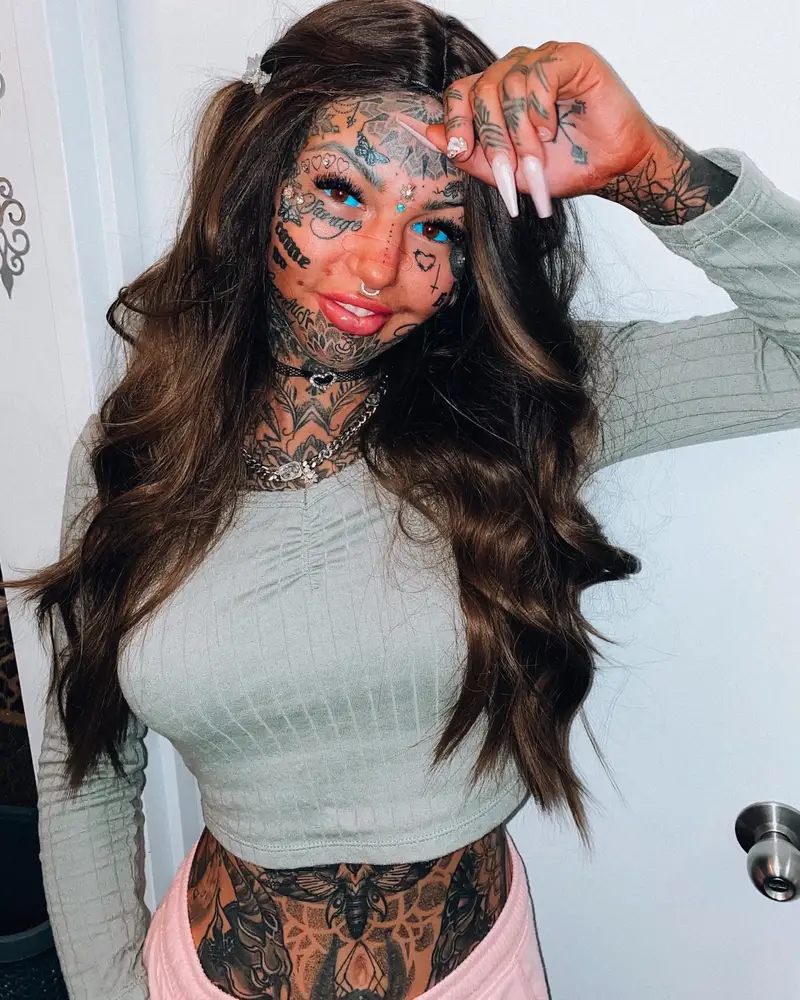
Amber’s Transformation: How Self-Acceptance Redefined One Woman’s Identity
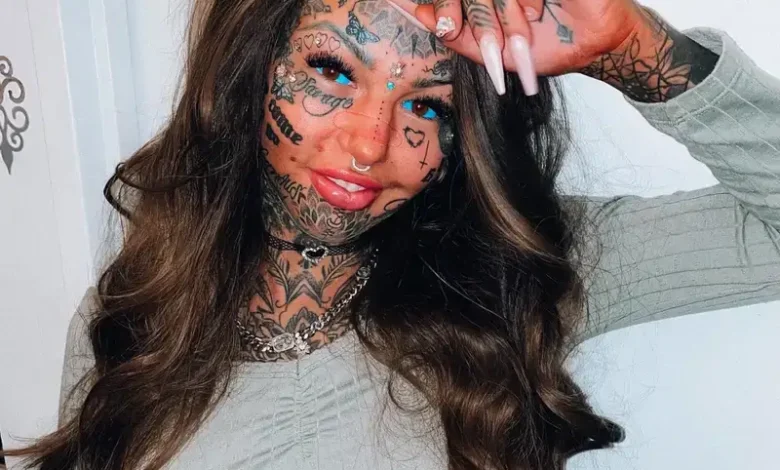
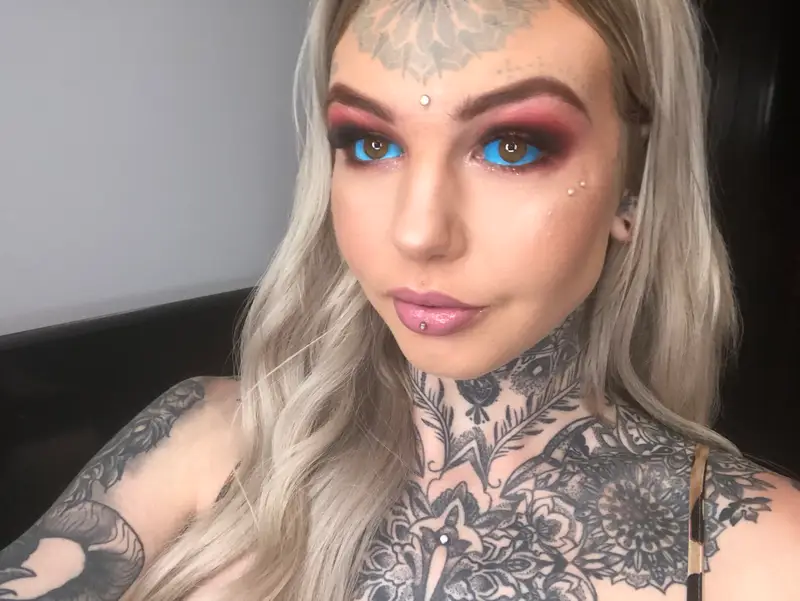
Amber’s appearance has sparked intense debate online—not because she “changed,” but because she changed in a way that refuses to follow traditional beauty rules. Once described as an “angelic beauty,” Amber says she felt boxed in by society’s expectations and wanted to reclaim control over how she looked and who she was.
From “Fitting In” to Taking Control

At 16, Amber says her relationship with her appearance took a painful turn. She described feeling like she blended in too easily and that her looks made her feel “plain” and uncomfortable in her own skin. Over time, she associated attention with anxiety and embarrassment—and said that even basic things, like going out or making eye contact, could feel overwhelming.
She also shared that she was diagnosed with clinical depression as a teenager, and that her confidence dropped so low she often avoided mirrors. In her own words, she felt she “couldn’t even bring” herself to look at her reflection.
What Actually Changed: Tattoos, Procedures, and Personal Meaning
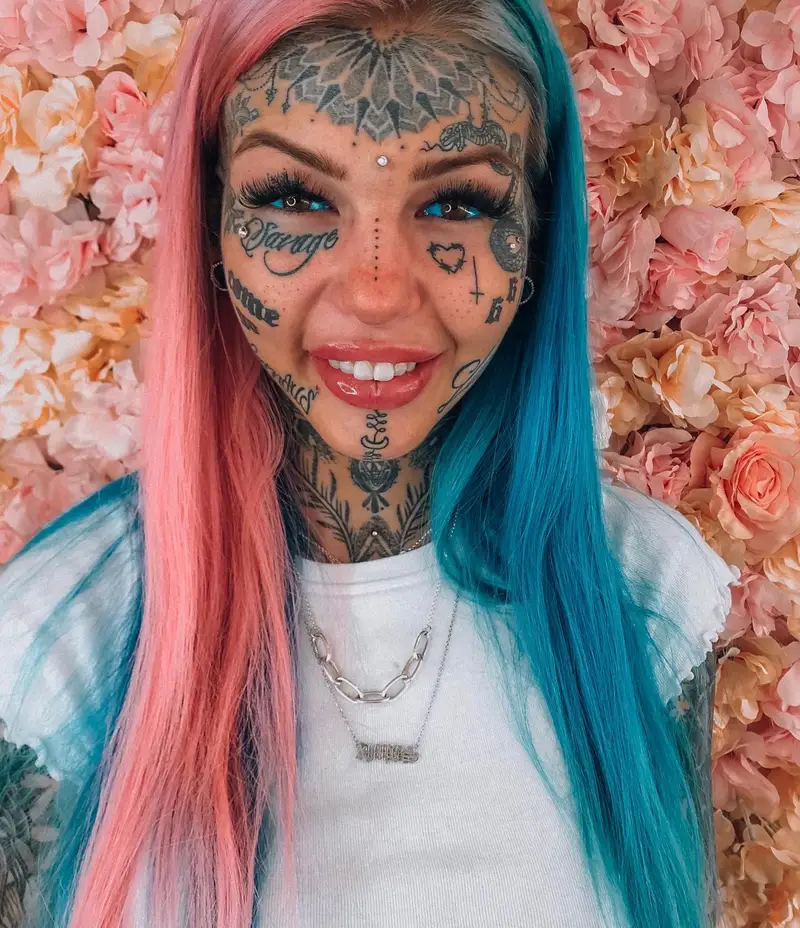
Amber’s transformation is often described as “extreme,” but she frames it differently: a personal, emotional decision tied to identity. Over the years, she pursued body art and modifications as a form of self-expression and autonomy.
Key details frequently mentioned in coverage of her transformation include:
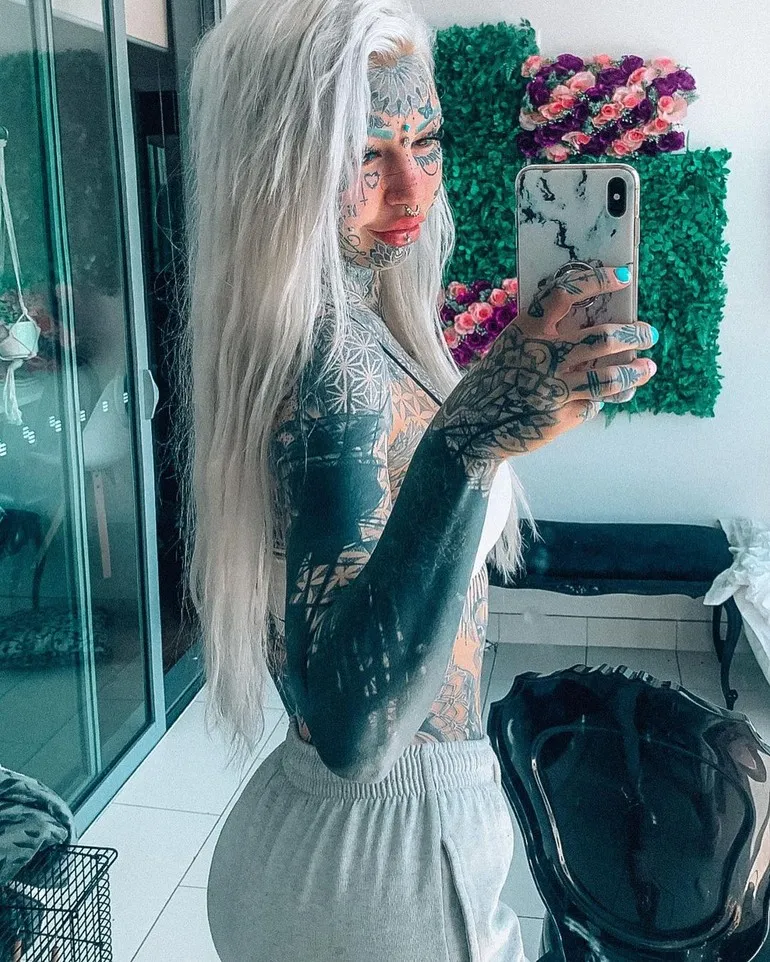
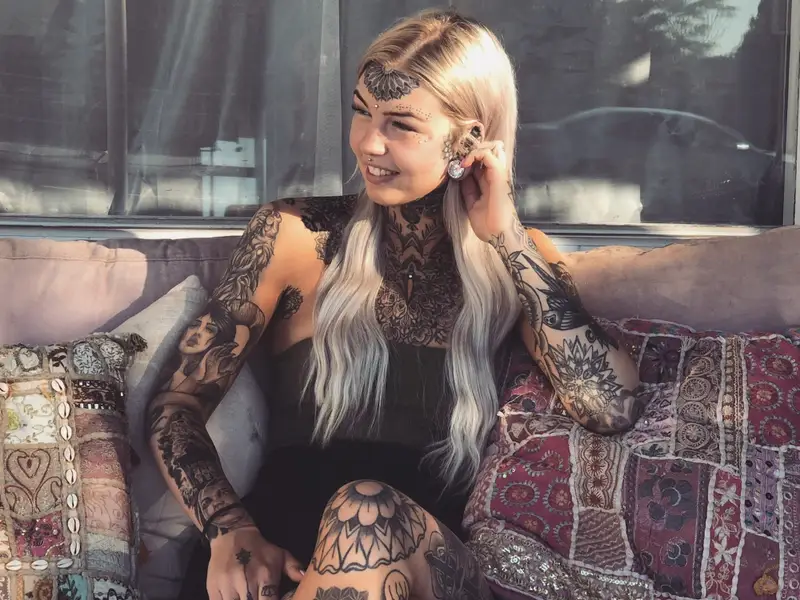
- More than 600 tattoos (a large-scale, long-term commitment rather than a “phase”).
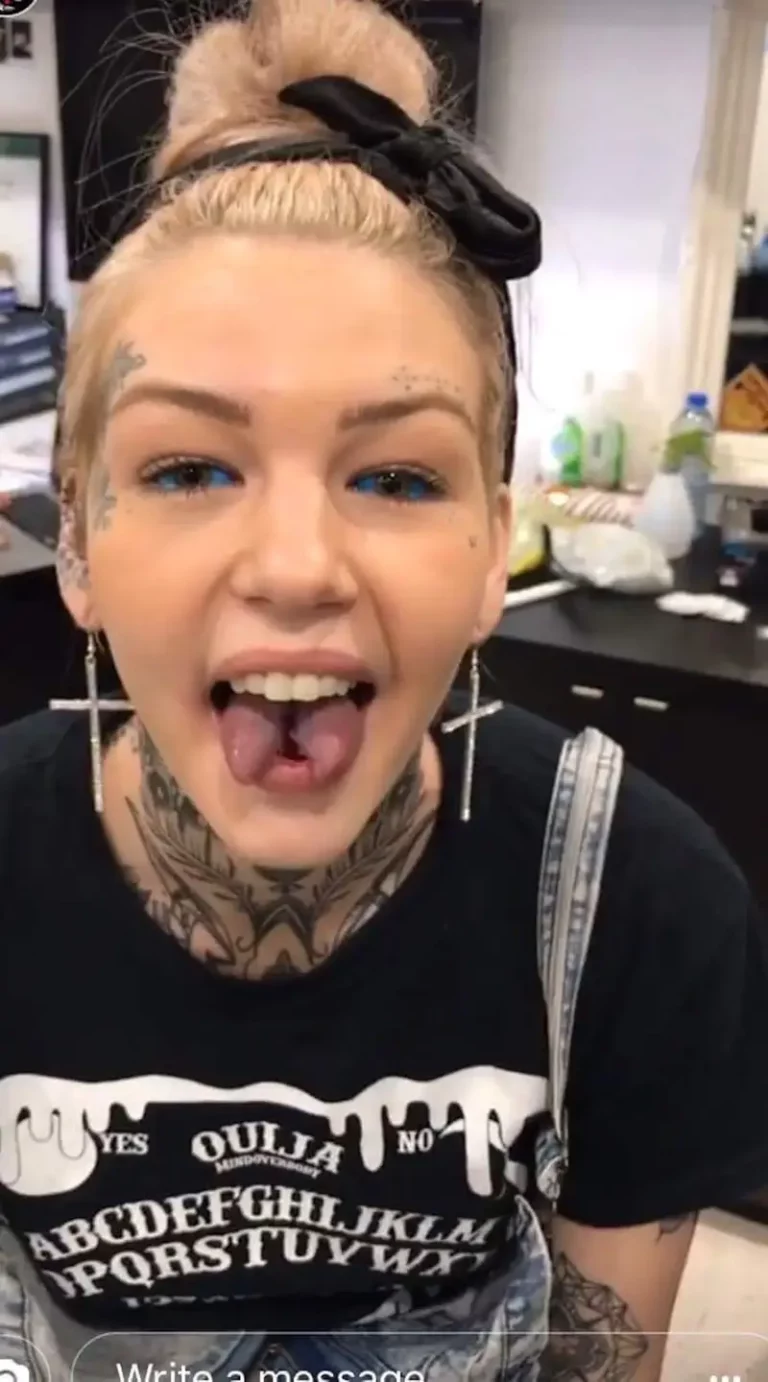
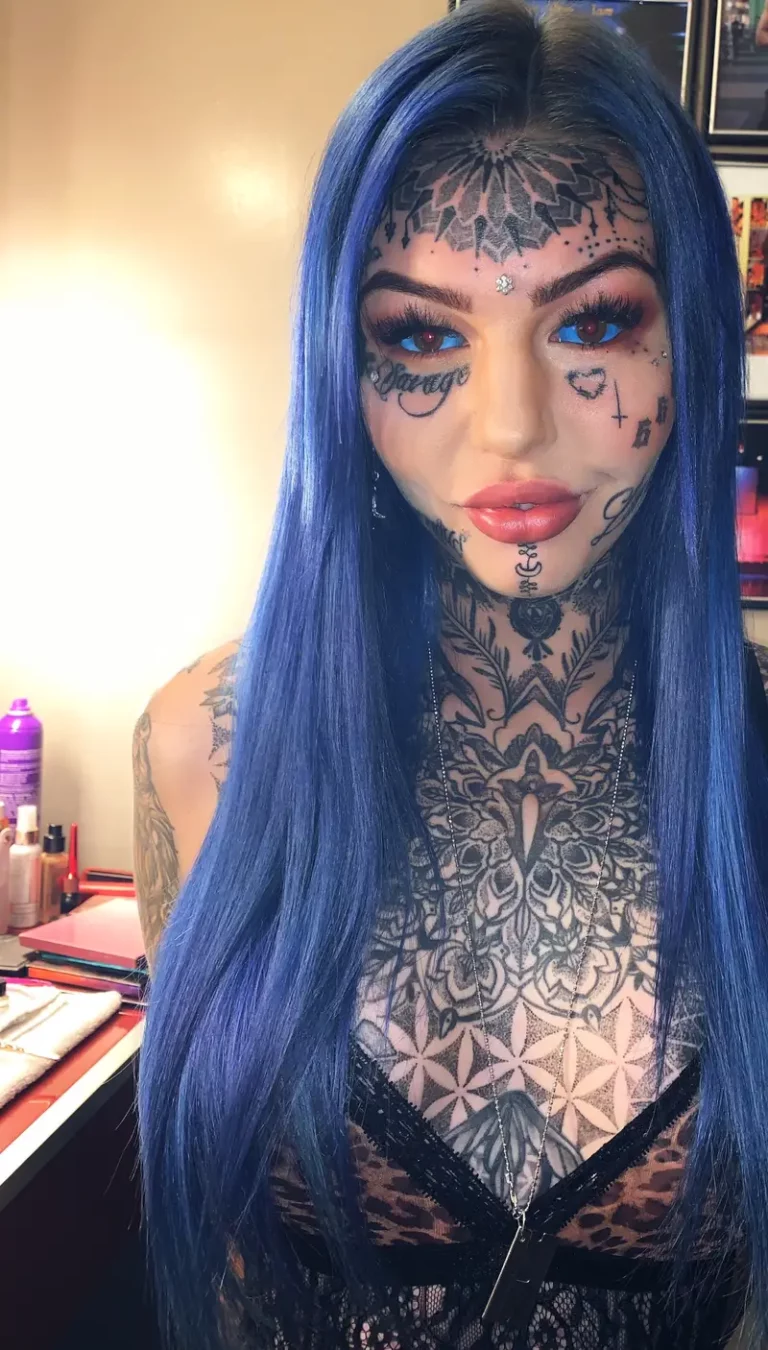
- Multiple body-modification procedures, including eyeball tattoos, tongue splitting, and “pixified” ear procedures.
- Additional cosmetic surgeries have also been discussed, such as breast augmentation and a Brazilian butt lift.
- She has described the tattoos as symbolic—each piece representing a chapter of her life and her refusal to be defined by other people’s standards.

Amber has also said that her transformation began when she gave herself a tattoo at 16—something she explicitly does not recommend.
The Public Reaction: Admiration, Backlash, and a Hard Line
When Amber shared her look publicly, the reactions split fast:
- Some people praised her confidence and individuality.
- Others insisted she was “better before,” criticizing her choices and treating her appearance like public property.
Despite the noise, Amber’s position is consistent: she says she feels more comfortable and “at ease” in her own skin than ever before.
What Her Story Is Really About
Amber’s transformation is easy to reduce to visuals—tattoos, procedures, dramatic before-and-after photos. But the core of the story is psychological and social:
- Beauty standards can feel like a cage, even when someone is considered “naturally beautiful.”
- Self-expression is personal, and outsiders rarely know what someone has lived through internally.
- Confidence isn’t always “found”—sometimes people build it through choices that finally feel honest to them.
Amber’s message is blunt and memorable: “It’s my body, my life, and my story.” In other words, the point is not whether others approve—it’s whether she can live comfortably as herself.
A Balanced Takeaway (Especially for Younger Audiences)
Amber’s story can be interpreted in more than one way, but it raises useful questions:
- Do we treat appearance as self-expression, or as something people must “justify” to others?
- Why do strangers feel entitled to rank someone’s “before” versus “after”?
- How often do we confuse conformity with health, value, or happiness?
It’s also worth stating clearly: permanent body modifications are serious medical and legal decisions. They carry risks, costs, and long-term consequences—and should only be considered with qualified professionals, informed consent, and age-appropriate legal protections.
The Bottom Line
Amber’s transformation isn’t just about changing how she looks. It’s about changing who gets to decide what “acceptable” looks like—and insisting that peace and confidence matter more than pleasing the crowd.