Almost no one recognizes this antique tool – are you one of the few who do?
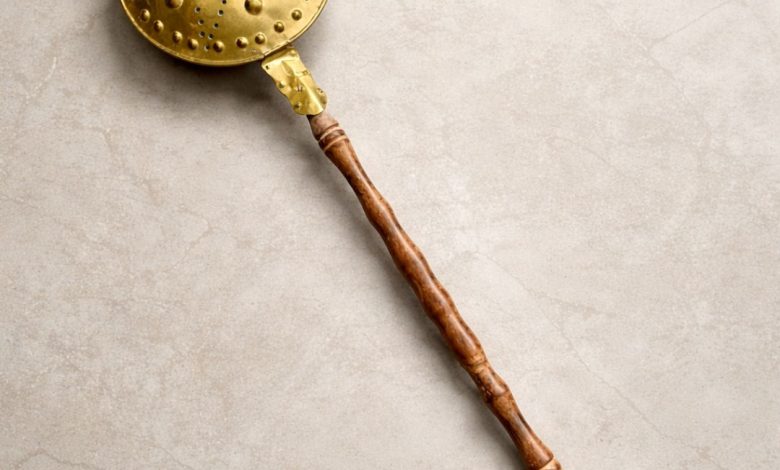
What This Object Is
A bed warmer is a pre-central-heating household tool designed to take the chill out of sheets and bedding before sleep. In the early 1900s, especially in colder regions and homes without reliable heat, bed warmers were a common comfort item.
Key Visual Features (As Seen Here)
This example matches a classic early-20th-century style, with:
- Round metal warming head (copper/brass)
- Perforated top with patterned ventilation holes
- Raised, domed details (often decorative and structural)
- Brass connector/neck joining head to handle
- Long, turned wooden handle for safe distance and control
- Hanging ring/loop at the end for storage on a hook
Why Copper and Brass Were Used
These materials were practical choices, not just decorative:
- Copper conducts heat efficiently, helping warmth spread evenly.
- Brass resists corrosion and adds rigidity to fittings and lids.
- The wooden handle acts as insulation, allowing handling without direct heat transfer.
What the Perforations Tell You
The vent holes typically indicate a design meant to manage airflow and heat release from a hot interior (depending on the exact model and regional style). Perforations also:
- Reduce weight
- Help control how heat radiates outward
- Add an identifiable “period look” associated with late-1800s to early-1900s domestic metalwork
How Bed Warmers Fit Into 1910s Home Life
Before electric blankets and fully heated bedrooms, people relied on:
- Fireplaces or stoves as the main heat source
- Heavy quilts and wool blankets
- Bed warmers to make bedding comfortable without heating the entire room
As home heating improved through the 20th century, these tools shifted from everyday necessity to attic item, then collectible.
Quick Reference: What Collectors Look For
Condition and authenticity often matter more than shine. Common value drivers include:
- Original patina (natural aging) rather than aggressive polishing
- Solid joinery at the neck and handle (no looseness or cracks)
- Even wear consistent with age (minor dents and surface marks are normal)
- Complete parts (lid/head intact, handle unbroken, hardware present)
- Any maker’s marks (sometimes stamped on the metal, though not always)
Care and Preservation Tips
To maintain value and appearance:
- Prefer gentle dry dusting or a lightly damp cloth, then dry immediately.
- Avoid harsh chemical cleaners that can strip aged finishes.
- If you choose to polish, understand it can reduce collector appeal by removing patina.
- Store in a dry environment to prevent corrosion and protect the wooden handle from warping.
Important Safety Note
Although originally functional, an antique bed warmer should be treated as a display/collectible item today. Using antique heating tools can pose serious fire and burn risks, and older designs were not built to modern safety expectations. For warmth in bedding now, use modern, safety-rated alternatives.
Display Ideas
This piece displays well in:
- Farmhouse, cottage, or vintage-industrial interiors
- Wall-mounted hook displays (using the hanging ring)
- Shadow boxes or textile-themed collections (quilts, irons, laundry tools)
- Bedroom décor as a conversation piece with other antique domestic items
Summary
A 1910s copper-and-brass bed warmer with a wooden handle is a practical artifact from the era before modern home heating. Its metal head, perforated top, and long insulated handle reflect a balance of function, safety (for its time), and craftsmanship—making it both historically interesting and highly collectible today.