A Swedish Man’s Tiny Apartment Tour Is Changing How People Think About Small-Space Living
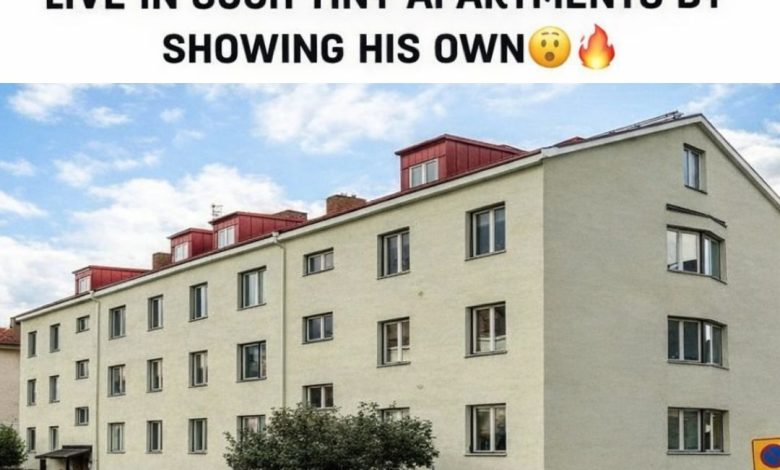
When people online asked how anyone could realistically live in a “tiny” apartment, one Swedish renter decided to answer with proof: he gave a clear, room-by-room look at his own home—showing how thoughtful layout choices can make even a very small footprint feel practical, comfortable, and surprisingly complete.
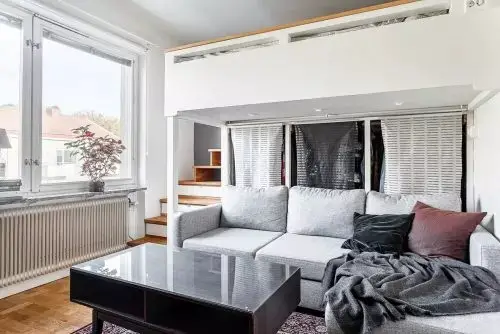
The apartment everyone is talking about
The apartment is located in central Stockholm and measures just 23 square meters (247 sq ft)—about the size many people associate with a cramped studio or a large hotel room. Yet the tour demonstrates that the space functions as a full home, not a temporary crash pad.
What made the reveal even more attention-grabbing was the cost:
- Monthly rent: 5,131 Swedish krona (roughly $470 USD)
- Utilities: described as all-inclusive except internet
- Lease type: a short-term contract that allows living there for around two years
A tour that focuses on function, not “tiny home glamour”
Rather than presenting the apartment as a stylized showpiece, the tour highlights ordinary, realistic decisions—where things go, what fits, and what doesn’t.
1) The entryway: small, but storage-forward
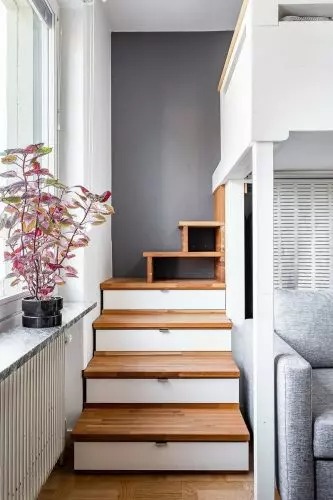
The apartment begins with a simple hallway designed to prevent clutter from spilling into the main living space. The entry includes closet storage for clothing, jackets, and shoes, creating a clear “drop zone” that keeps the rest of the apartment feeling cleaner and more open.
2) The bathroom: compact essentials, no wasted space
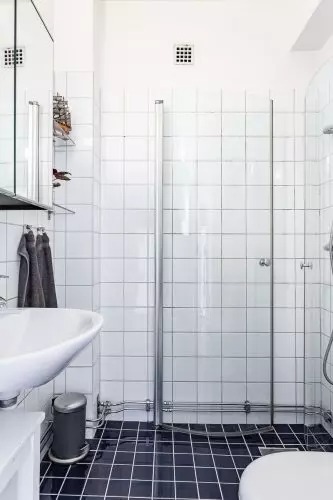
Off the hallway is the bathroom, which the resident shows in detail—pointing out:
- Limited cabinet space (but enough to function day-to-day)
- Small personal touches like bathroom art
- A shower—with one notable downside: no bathtub, which he calls out as the most disappointing feature
3) The kitchen: tiny, but legitimately workable
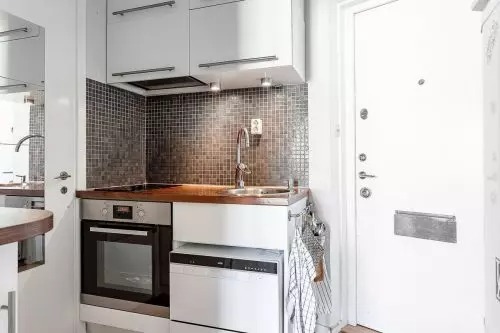
Next comes the kitchen—small, but organized like a “real” cooking space. A few details stood out:
- A three-burner stove, which he notes is an upgrade from a previous place he lived (where he had fewer burners)
- Fridge and freezer in the compact layout
- Cupboards that he says are fine for one person, but likely not enough for two people’s food needs
This is a key theme of the tour: the apartment works because it’s designed for the reality of one-person living, not because it magically “fits everything.”
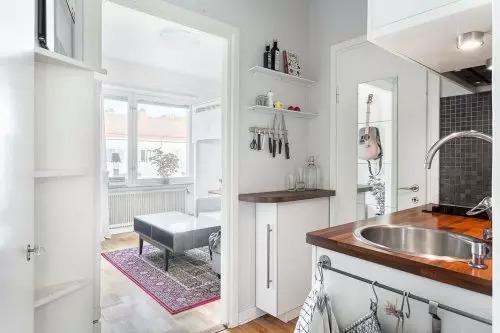
The main room: one space, three roles
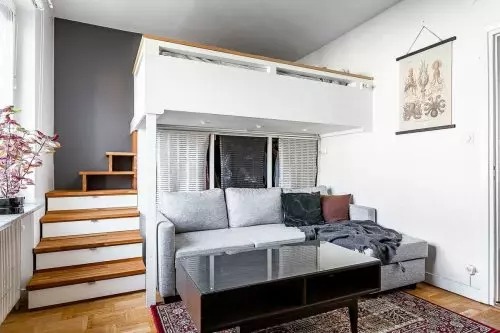
The heart of the apartment is a single main room that performs multiple jobs at once. It functions as:
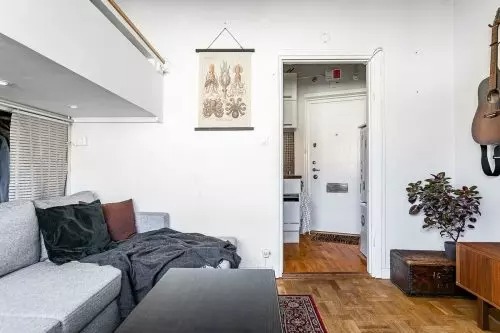
- Bedroom
- Living room
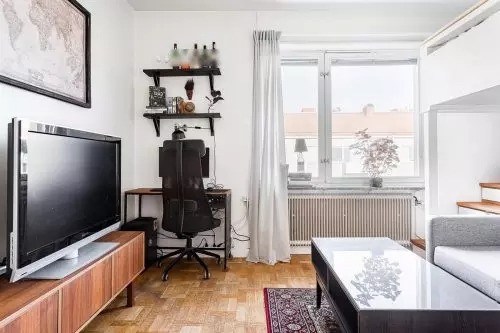
- Office/work area
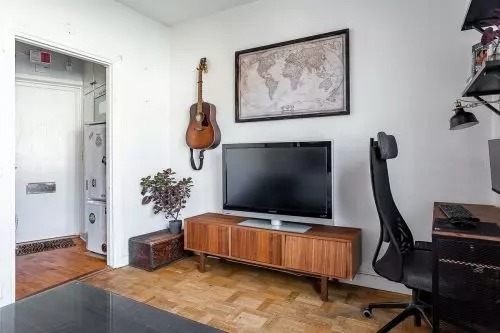
Instead of pretending those zones don’t overlap, the resident leans into the multi-use nature of the space and organizes around it. He walks viewers through the items that make the room feel lived-in (not empty), including:
- A bookshelf he received as a gift from his mother for his 30th birthday
- A bike
- Plants
- Two guitars
- A second-hand bed bought for 400 krona (about $36 USD)
He also highlights the apartment’s position in the building, noting he feels “ridiculously lucky” to be on the 7th floor, which adds to the experience of living there.
The “micro office” setup: built to fit the space
Rather than trying to force a full-size desk setup into a small room, the office area is scaled to match the apartment. One practical detail from the tour is that he uses bookshelves he built with his dad, reinforcing a broader small-space principle: custom or DIY storage often beats standard furniture in micro apartments.
Why this resonated: it’s not just “small,” it’s intentional
The appeal of the tour is that it doesn’t rely on luxury finishes or unrealistic minimalism. It shows a normal person making a small space work through:
- Clear storage zones (especially at the entrance)
- A kitchen built for real cooking, even if limited
- A single room divided by purpose, not walls
- Second-hand and DIY choices that reduce costs without reducing function
Tiny apartments are common in Swedish cities—especially Stockholm
This story also fits a wider pattern: in Sweden, living space varies dramatically depending on location and housing type.
According to Statistics Sweden:
- The average living space per person in Sweden is 42 sqm
- In Stockholm municipalities, the average can be as low as 33 sqm
- In multi-dwelling buildings, renters average about 34 sqm per person
In other words, compact living isn’t a niche trend—especially in major urban areas, where smaller apartments are often the tradeoff for location.
Key takeaways for anyone living (or planning to live) small
If you’re trying to make a small studio feel more workable, the tour suggests a few practical rules:
- Design the entry first: a controlled “landing zone” reduces clutter everywhere else.
- Store vertically: shelves and tall storage use the apartment’s height, not its floor area.
- Pick furniture that earns its footprint: if something doesn’t add daily value, it becomes dead weight fast.
- Embrace multi-purpose zones: in a studio, your living room will also be your office—plan for it.
- Use second-hand strategically: big savings are possible on items like bed frames and shelving.
- Be honest about capacity: a micro kitchen might work brilliantly for one person and fail for two.
The big message
The Swedish renter’s tiny-apartment reveal is compelling because it’s grounded in reality: a small home can feel complete when every square meter has a job. For viewers, it reframes “tiny living” from a hardship into a design challenge—one that can come with real advantages, especially when it makes an otherwise expensive city more accessible.