10 Everyday Signs That Could Hint at an Underlying Health Problem
Many people assume a health issue will always show up as obvious pain or a dramatic symptom. In reality, small changes in your skin, nails, hair, or even your tongue can sometimes be early clues that something deeper is going on. The key point: one symptom alone doesn’t confirm a diagnosis, but noticing patterns and acting early can make a difference.
Below are 10 symptoms commonly noticed in daily life and what they may suggest, along with when it’s smart to get checked.
What to do when you notice a new symptom
- Track how long it lasts (days vs. weeks).
- Note changes (getting worse, spreading, returning often).
- Look for “new for you” patterns (sudden change is often more important than long-standing mild issues).
- Seek medical advice sooner if the symptom is persistent or comes with other concerning changes.
The 10 symptoms and what they may reveal
1. Dark circles under the eyes
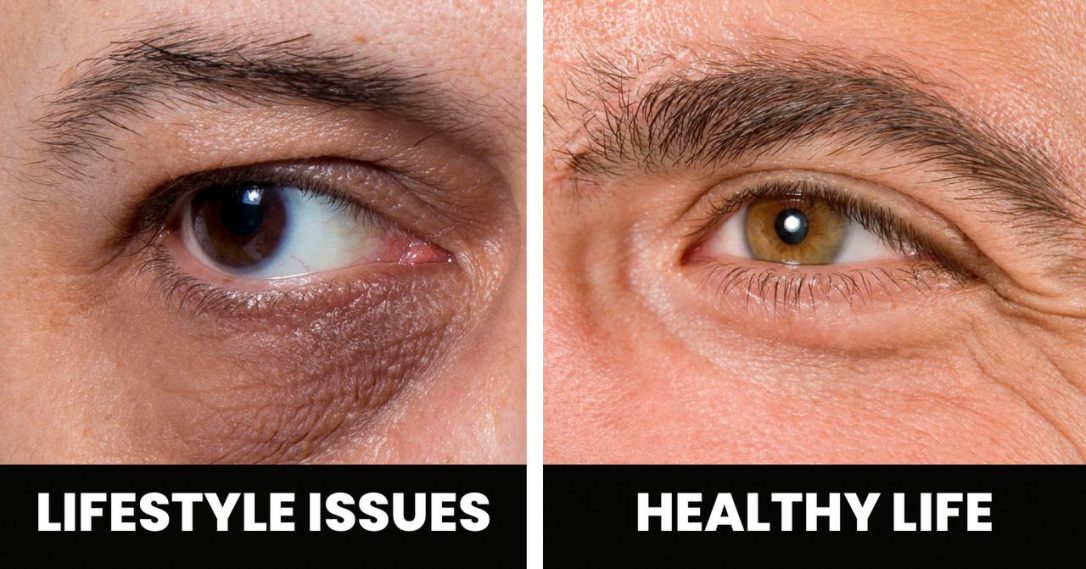
Often linked to lifestyle factors, especially not getting enough sleep or an unhealthy routine.
If dark circles become noticeable suddenly or don’t improve with rest, it may be worth discussing with a clinician.
2. Yellowing of the skin or the whites of the eyes
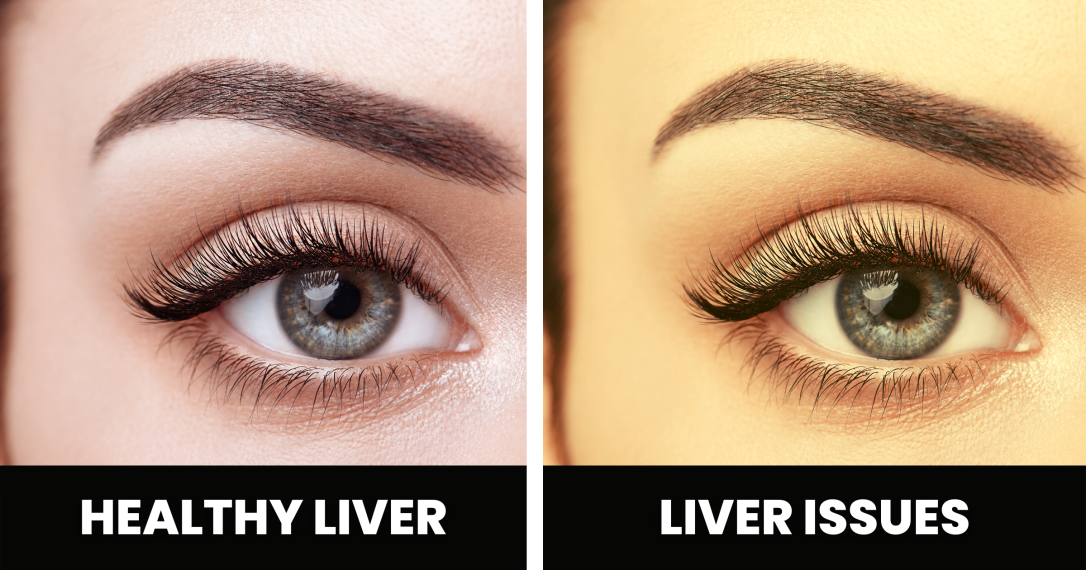
Yellow discoloration can be a common sign linked to liver issues.
Important: If this happens, see a doctor as soon as possible to reduce the risk of complications.
3. Finger pain, swelling, or fingers becoming thicker

Changes such as thickened fingers (sometimes noticed as swelling or altered shape) may be associated with issues involving the lungs or kidneys, and in some cases may appear in people with breast cancer.
If you notice unexplained finger swelling or thickening, get it checked promptly.
4. Women’s hair growth in unusual places
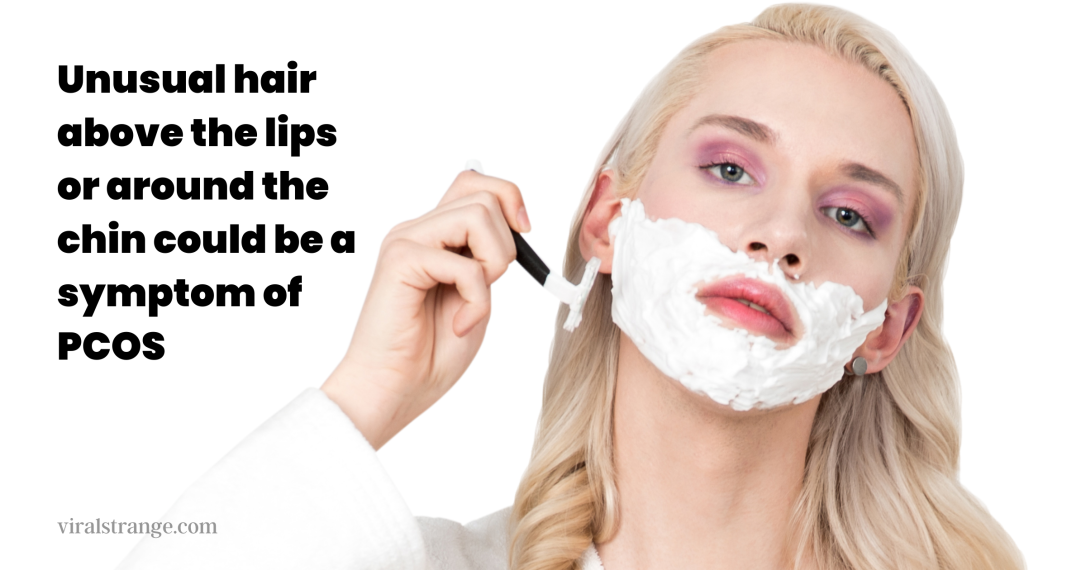
Hair growth around the chin or above the lips may be a symptom associated with PCOS (polycystic ovary syndrome), which involves hormonal imbalance.
A medical evaluation can help confirm what’s driving the change and what to do next.
5. A pimple or spot that doesn’t heal
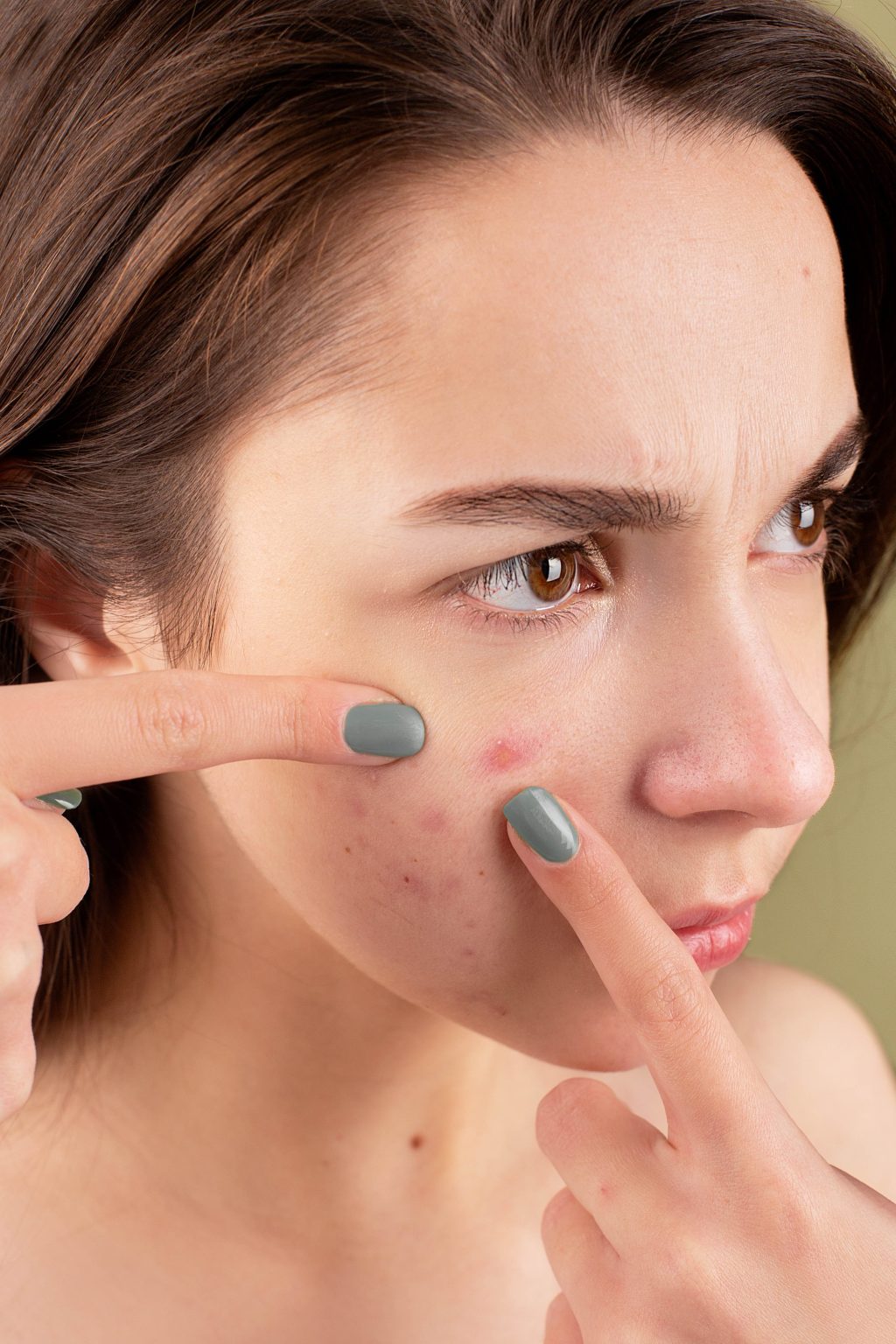
If a “pimple” or skin bump stays for weeks without healing, it may be a warning sign of basal cell carcinoma.
Do not ignore persistent skin lesions—have them evaluated.
6. Eyebrows getting noticeably thinner
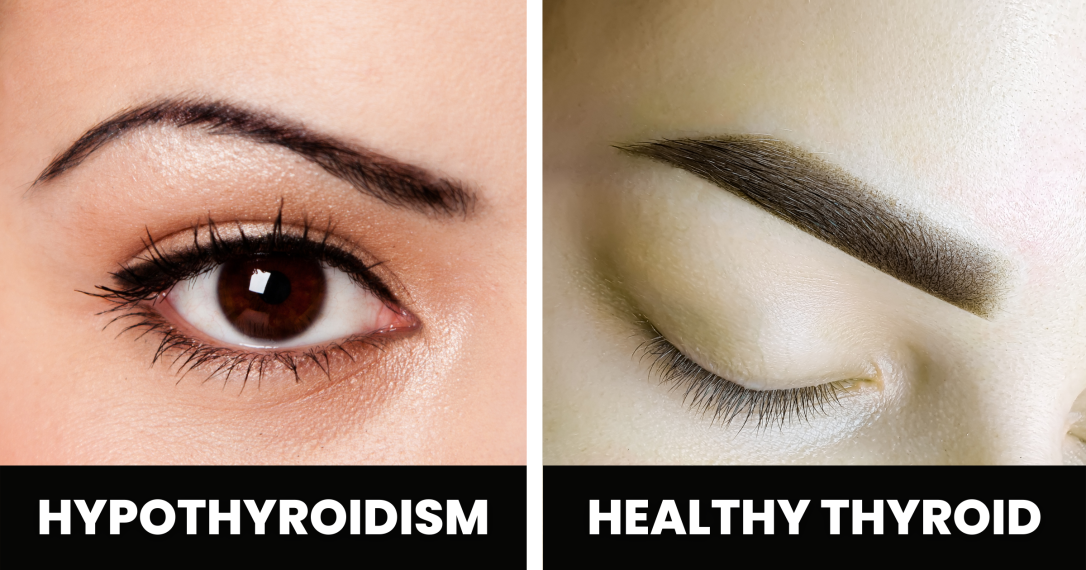
Thinning eyebrows can be associated with hypothyroidism (an underactive thyroid).
If thinning is ongoing, a check-up and basic labs may be appropriate.
7. Acne concentrated around the jawline or chin

Acne in the jawline/chin area can sometimes reflect hormonal imbalance.
If it becomes frequent, severe, or unusual for you, consider discussing it with a healthcare professional.
8. Thickening or darkening of the skin
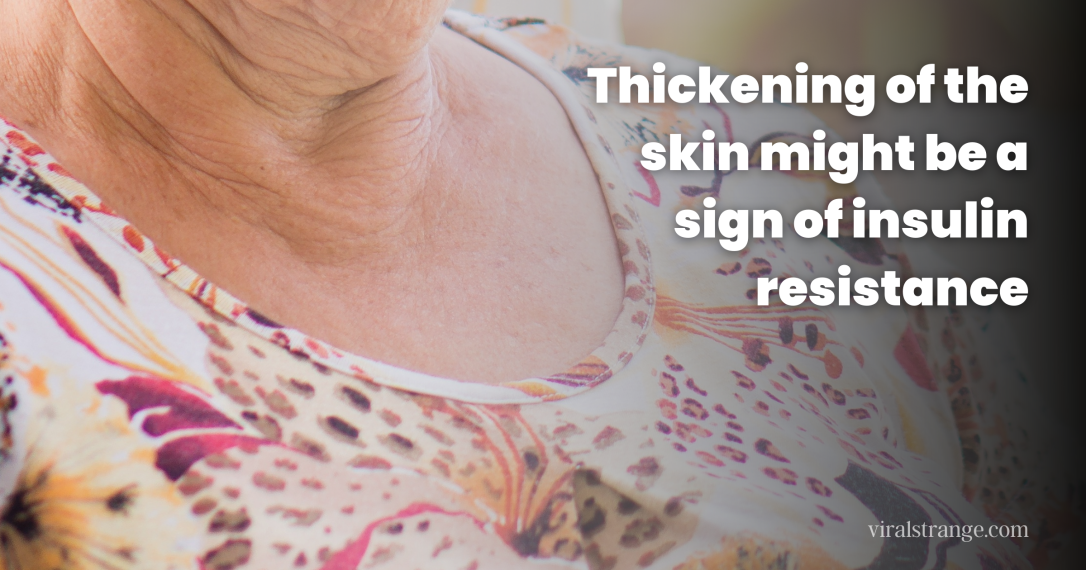
Skin that becomes thicker or darker (especially in certain areas) may be linked to insulin resistance.
Important: Insulin resistance can increase risk for type 2 diabetes, so it’s worth checking early.
9. Black lines or dark spots on the nails
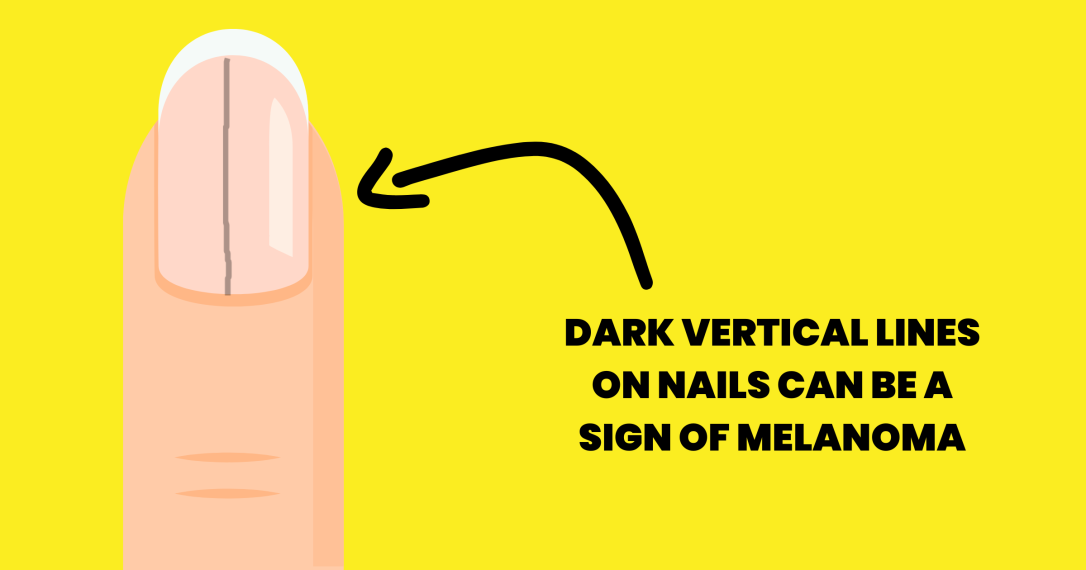
Dark vertical lines on a nail can be a sign of melanoma, although it may also happen after a finger injury.
If the line appears without a clear injury, changes over time, or looks unusual, seek medical assessment.
10. A scalloped tongue

- A scalloped tongue has wavy or indented edges, which can happen when the tongue becomes swollen and presses against the teeth—essentially becoming larger than the lower jaw space.
- Swelling can have multiple causes; one example mentioned is frequent salty food intake contributing to swelling.
When to take action sooner (do not “wait and see”)
Consider booking medical care promptly if you notice:
- Yellowing skin/eyes
- Unexplained finger swelling/thickening
- A skin spot that won’t heal after weeks
- A new dark vertical nail streak without injury